Heat pumps are an increasingly popular and energy-efficient solution for heating and cooling homes. They offer a dual function, providing warmth in the winter and a cool escape in the summer, all while consuming less energy than traditional HVAC systems. However, like any mechanical system, heat pumps can encounter issues. The key to maintaining their efficiency and longevity lies in prompt diagnosis and repair. Ignoring problems, no matter how minor they seem, can lead to exacerbated damage, higher repair costs, and a significant drop in comfort.
Why Quick Action Matters for Your Heat Pump
- Preventative Maintenance is Not Enough: While regular maintenance is crucial, it cannot predict every potential issue. Sometimes, unexpected problems arise, and that's when quick action becomes critical.
- Avoid Escalating Damage: A small problem, such as a minor refrigerant leak or a worn-out component, can quickly cascade into a more significant and costly repair if not addressed immediately. For instance, a small leak can cause your heat pump to work harder, stressing other components and potentially leading to compressor failure—one of the most expensive repairs.
- Maintain Energy Efficiency: When a heat pump isn't functioning optimally, it has to work harder to achieve the desired temperature. This increased effort translates directly into higher energy consumption and, consequently, higher utility bills. Addressing issues promptly ensures your system operates at its peak efficiency, saving you money in the long run.
- Ensure Consistent Comfort: A malfunctioning heat pump can lead to inconsistent temperatures throughout your home, hot or cold spots, or even a complete system breakdown. Prompt repairs restore your home's comfort and ensure your system is ready to tackle extreme weather conditions.
- Extend System Lifespan: Heat pumps are a significant investment. By addressing problems quickly, you prevent undue stress and wear and tear on the system, thereby extending its operational lifespan. This maximizes your return on investment and delays the need for a costly replacement.
Common Heat Pump Issues to Watch For
- Unusual Noises: Grinding, hissing, clanking, or squealing sounds can indicate problems with motors, fan blades, or refrigerant leaks.
- Reduced Airflow: Weak airflow can point to issues with the air filter, blower motor, or ductwork.
- Inconsistent Heating or Cooling: If your home isn't reaching the set temperature, or if there are noticeable temperature fluctuations, your heat pump might be struggling.
- Increased Energy Bills: A sudden spike in your energy consumption without a corresponding change in usage often signals an inefficient heat pump.
- Frequent Cycling: If your heat pump turns on and off more frequently than usual, it could be a sign of an incorrectly sized unit, a thermostat issue, or other internal problems.
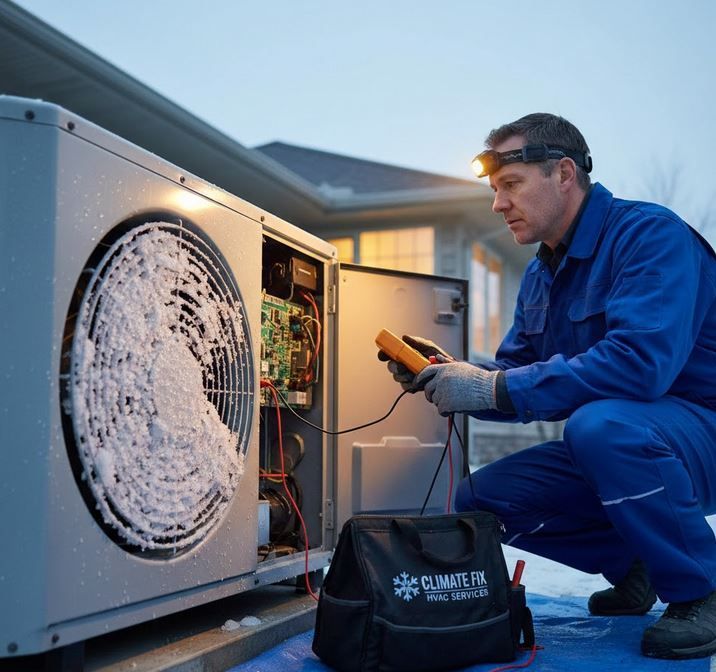
- Icing on the Outdoor Unit: While some frost is normal in winter, excessive ice buildup can indicate a serious problem with defrosting cycles or refrigerant levels.
What to Do When You Notice a Problem
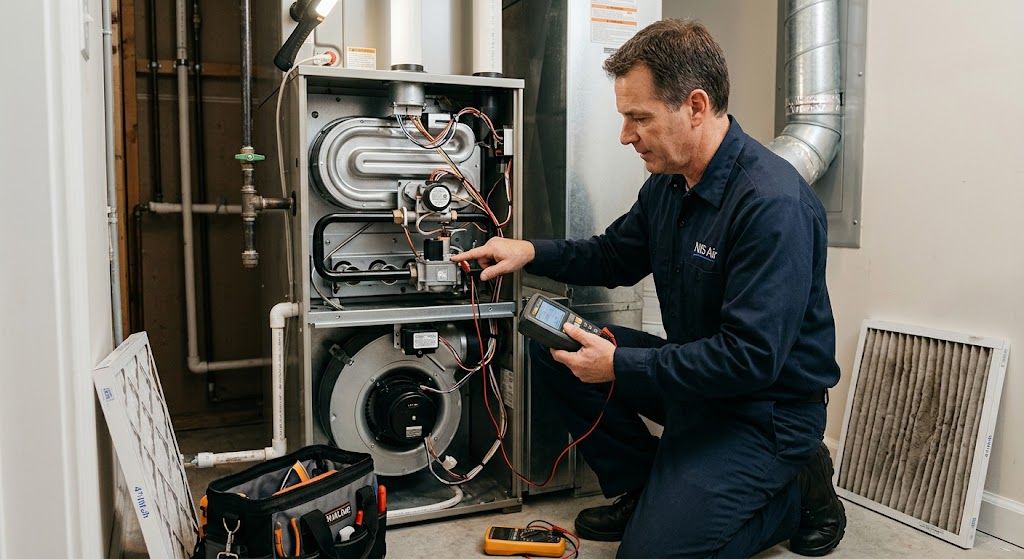
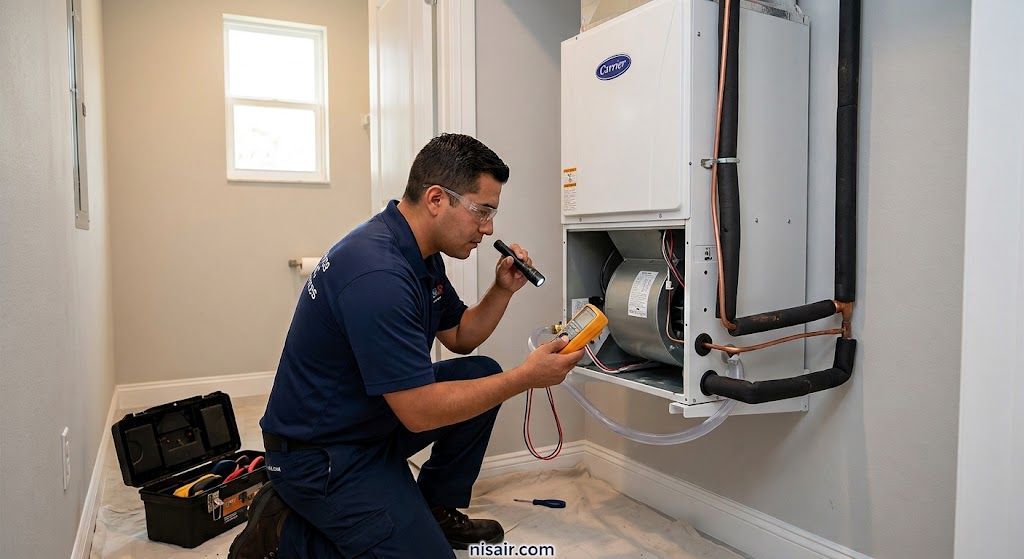
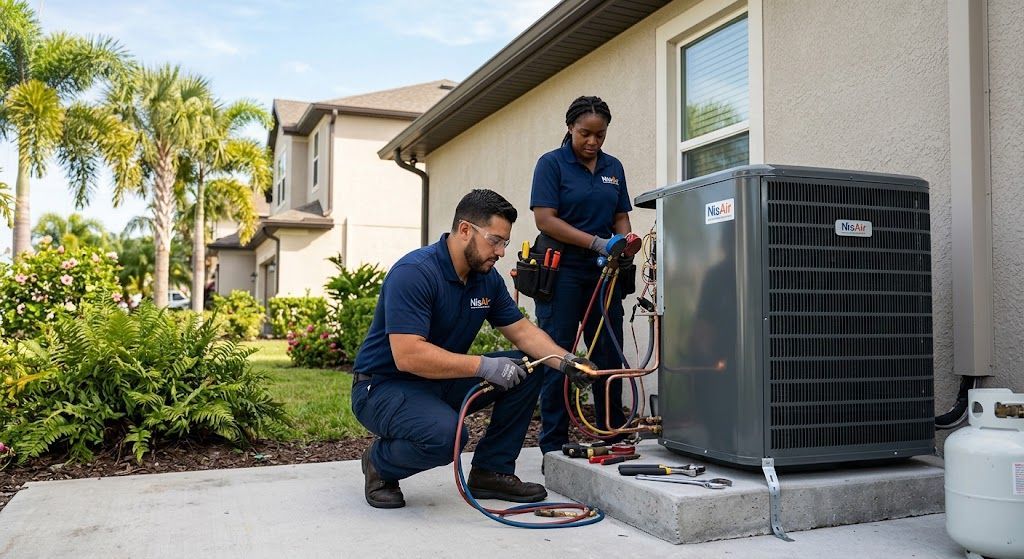
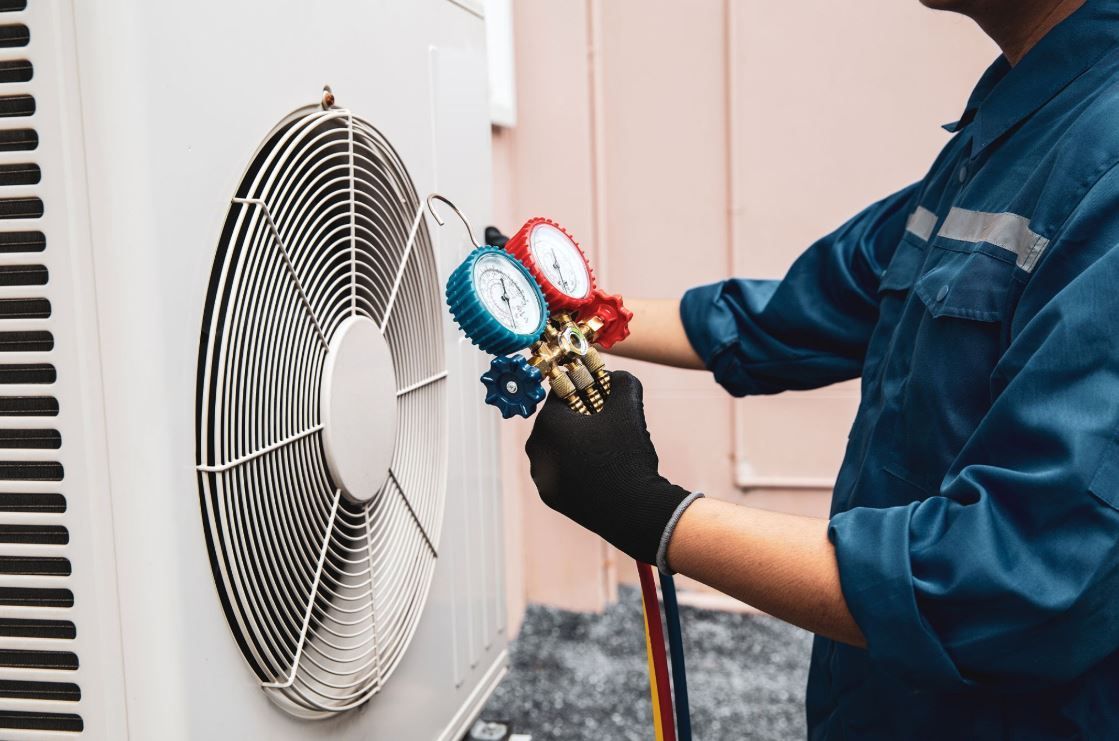
The moment you detect any of the above signs or other unusual behavior from your heat pump, it's crucial to contact a qualified HVAC technician. Avoid attempting complex repairs yourself, as this can often worsen the problem and void your warranty. A professional technician has the expertise, tools, and diagnostic equipment to accurately identify the root cause of the issue and implement the correct solution.
Conclusion
Your heat pump is a vital component of your home's comfort and energy efficiency. By understanding the importance of addressing issues quickly, you can prevent minor glitches from becoming major headaches. Prompt professional attention not only saves you money on
heater repairs and energy bills but also ensures your heat pump continues to provide reliable, efficient heating and cooling for years to come. Don't wait—if your heat pump is showing signs of trouble, act fast.