The body content of your post goes here. To edit this text, click on it and delete this default text and start typing your own or paste your own from a different source.
When the sweltering heat of summer arrives, your home’s air conditioning system transitions from a convenience to an absolute necessity. A fully functioning AC unit keeps your living space comfortable, maintains healthy indoor air quality, and protects your home from excessive humidity. However, like any complex mechanical system, air conditioners experience wear and tear over time.
Ignoring minor performance drops or unusual sounds won't just lead to an uncomfortable, sticky indoor environment—it can also result in catastrophic system failures and astronomically high utility bills. Recognizing the early warning signs that your cooling system is struggling can save you thousands of dollars in emergency replacements. Here is a comprehensive guide to understanding when your cooling system needs professional attention, how timely maintenance helps your wallet, and what to expect during a expert service visit.
1. Weak or Inadequate Airflow
One of the most immediate indicators that your air conditioner needs professional attention is a noticeable drop in airflow. If you turn on your system and feel only a faint whisper of air coming out of your vents, your unit is working twice as hard to achieve a fraction of the results.
Weak airflow can be caused by a variety of underlying issues. It could be as simple as a heavily clogged air filter restricting the passage of air, or it could point to a more severe problem, such as a failing blower motor or a malfunction within the fan assembly. Additionally, if your home relies on a traditional ducted system, leaking or collapsed ductwork could be allowing conditioned air to escape into your attic or crawl spaces before it ever reaches your living rooms. A certified technician can quickly diagnose the root cause and restore the powerful, consistent breeze your home requires.
2. Blowing Warm Air
There is nothing more frustrating than standing directly under an AC vent on a hot afternoon only to be greeted by a blast of lukewarm or hot air. If your thermostat is firmly set to "cool" and the fan is set to "auto," but the air coming from the registers is warm, your system is failing its primary objective.
This issue typically stems from two main culprits: a refrigerant leak or a compressor failure. The compressor acts as the heart of your air conditioning unit, pumping refrigerant through the coils to absorb and dissipate heat. If the compressor is broken, or if the refrigerant levels are too low due to a pinhole leak in the lines, the system cannot chemically cool the air. Operating an AC unit with low refrigerant or a struggling compressor can cause irreversible damage to the entire system, making it crucial to call in a professional immediately.
3. Frequent and Short Cycling
A typical, healthy air conditioner goes through regular cooling cycles to maintain a consistent temperature throughout your home. It should turn on, run until the thermostat's target temperature is reached, and then shut off for a period of time. However, if you notice your system constantly turning on and off every few minutes, it is experiencing a phenomenon known as "short cycling."
Short cycling puts an immense amount of stress on the electrical and mechanical components of your AC. The initial startup phase of a cooling cycle consumes the most energy and causes the most wear. When your system cycles too frequently, your energy bills will skyrocket, and the lifespan of your equipment will be drastically shortened. Short cycling can be triggered by anything from an oversized AC unit to a miscalibrated thermostat or overheating internal components. Professional intervention is required to stabilize the cycles and protect your investment.
4. High Indoor Humidity Levels
An air conditioner’s job isn't solely to lower the temperature inside your house; it is also designed to manage indoor humidity levels. During a standard cooling cycle, the evaporator coil pulls moisture out of the air, collecting it as condensation and draining it safely outside your home.
If the air inside your home feels sticky, muggy, or reminiscent of a tropical greenhouse—even while the AC is running—your system is not dehumidifying properly. High humidity levels don't just cause physical discomfort; they also create the ideal breeding ground for mold, mildew, and airborne allergens. If your indoor humidity is consistently creeping above 50%, it's time to have a professional technician inspect your cooling coils and drainage systems to ensure your home remains healthy and dry.
5. Strange Sounds and Foul Odors
Your air conditioner should operate relatively quietly. While you will always hear the gentle hum of the fan and the click of the system kicking on, you should never hear jarring, loud, or unusual noises.
Pay close attention to what your unit is telling you:
- Squealing or Screeching: This often indicates a slipping or damaged blower belt, or bearings in the fan motor that have dried out and are failing.
- Grinding or Clanking: This usually means moving parts are loose, unaligned, or friction is destroying internal components.
- Hissing: A persistent hissing sound is a classic sign of a high-pressure refrigerant leak.
Similarly, your nose can alert you to AC trouble. A foul, musty odor emitting from your vents points directly to mold or bacteria growth inside the ductwork or on the evaporator coil. A sharp, burning metallic smell, on the other hand, indicates overheating electrical wiring or a burning motor. If you notice any of these sensory red flags, turn off your unit immediately and call for service to prevent a total system burnout or potential fire hazard.
6. Sudden, Unexplained Spikes in Energy Bills
It is completely normal for your electricity bills to fluctuate slightly as the outdoor temperatures climb and your AC runs longer during peak summer months. However, if your utility bill shows a massive, unexpected spike compared to the same month last year—without a radical change in your usage habits—your AC is telling you something is wrong.
When internal components become dirty, worn down, or broken, the system must work much harder and run significantly longer to achieve the temperature set on your thermostat. This drop in operational efficiency translates directly into higher energy consumption. Investing in timely repairs restores your unit’s efficiency, effectively lowering your monthly operational costs and paying for the repair itself over time.
The Dangers of DIY Air Conditioner Repairs
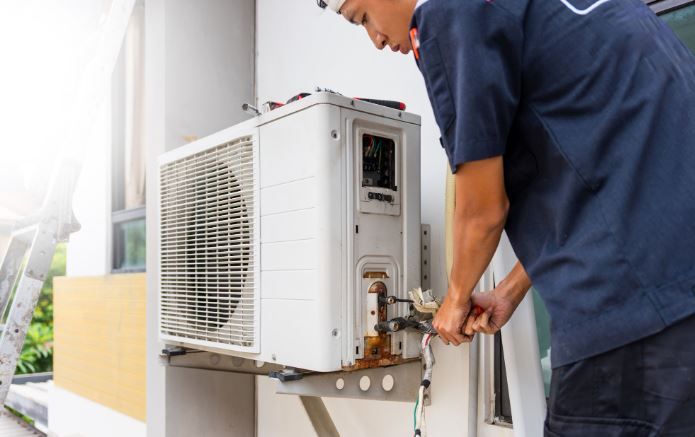
In the age of online video tutorials, it can be tempting to try and fix an air conditioner yourself to save a few dollars. However, AC repair is a highly specialized field that requires extensive technical training, proper certification, and specialized tools.
Air conditioning units operate on high-voltage electrical circuits that can pose severe shock and fire hazards if handled incorrectly. Furthermore, central cooling systems utilize chemical refrigerants, which are strictly regulated by environmental protection laws. Handling, recharging, or disposing of refrigerant requires specific licensing, as leaks can harm both your health and the environment. Attempting a DIY fix on your AC can also immediately void any active manufacturer warranties, leaving you completely responsible for the costs of any future breakdowns. Leaving repairs to certified professionals ensures the job is done safely, legally, and correctly the first time.
What to Expect From a Professional AC Service Visit
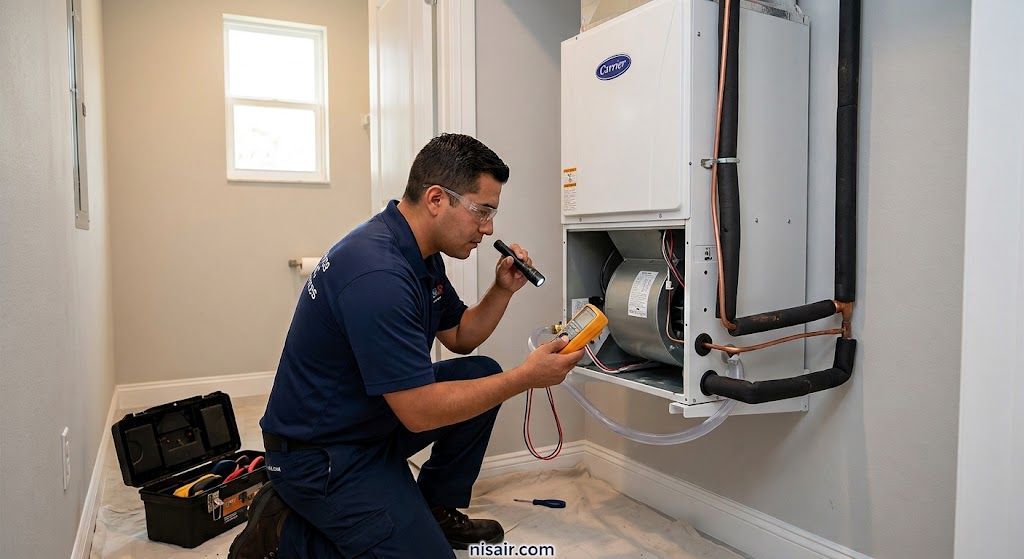
When you hire a licensed HVAC company to resolve your cooling issues, they don't just patch up the visible problem and leave. A thorough, professional diagnostic visit includes a comprehensive assessment of your entire system.
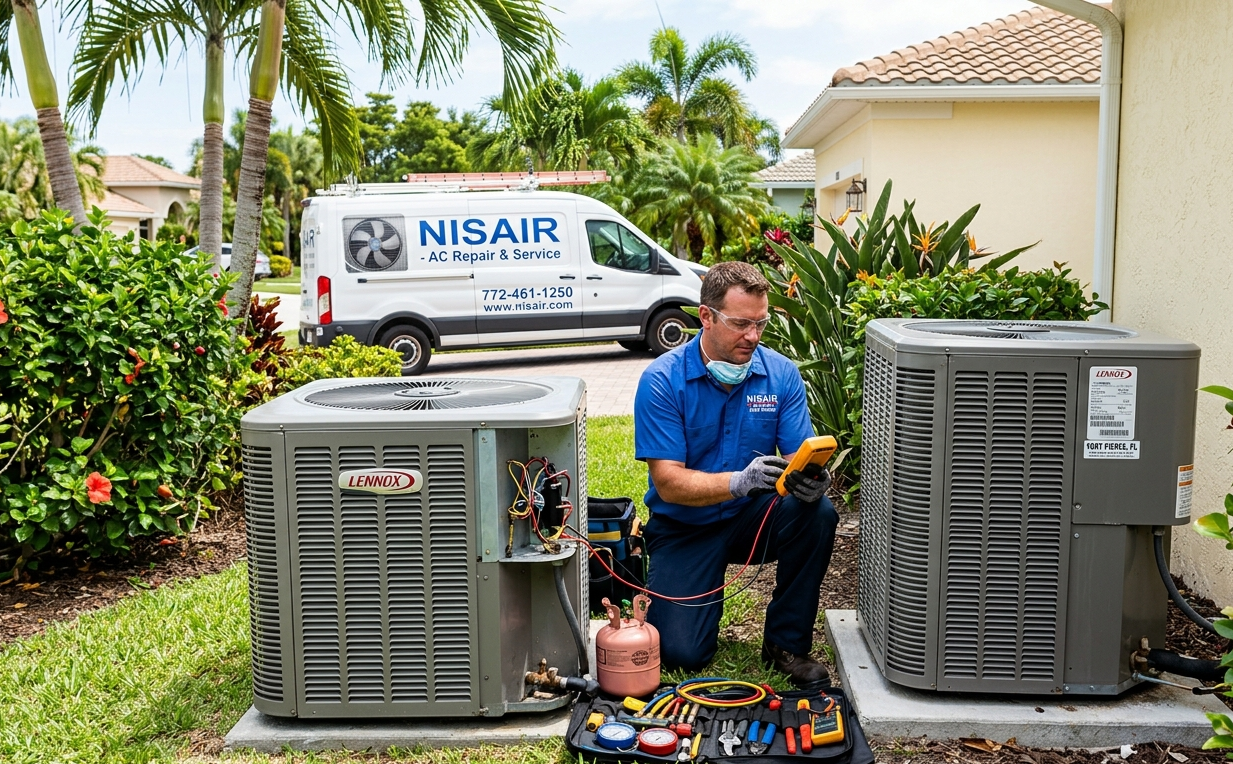
A qualified technician will begin by testing your thermostat calibration, inspecting the electrical connections, and checking the integrity of your wiring. They will then move on to measuring refrigerant levels, inspecting the evaporator and condenser coils for dirt and debris, and clearing out the condensate drain line to prevent future water leaks. By examining the system holistically, professionals can identify hidden, minor issues before they escalate into major, costly failures.
Keep Your Home Cool and Comfortable
Maintaining a reliable, energy-efficient cooling system is essential for your year-round peace of mind. Ignoring the early warning signs of a struggling air conditioner will only lead to greater discomfort, higher utility bills, and more expensive repairs down the road. If you have noticed weak airflow, strange noises, shifting temperatures, or a sudden spike in your monthly energy expenses, do not wait for your system to break down completely in the middle of a heatwave. Contact the experienced team at NiSair for reliable and efficient
AC repair to restore your indoor comfort and protect your home today.