Living in Florida means depending heavily on a smooth-running cooling and heating system year-round. When the temperatures climb along the Treasure Coast, keeping your home comfortable requires a functional, efficient setup. Understanding how your heating, ventilation, and air conditioning system operates, identifying early warning signs, and knowing when to troubleshoot simple issues on your own can save you significant time and money.
Understanding the Essentials of Home Cooling in Coastal Florida
Florida homes face unique environmental factors that put extra demands on cooling units. The high humidity, elevated ambient temperatures, and airborne salt near the coast cause components to work harder and wear out faster than systems in cooler climates.
An HVAC system relies on several primary components working together to pull warm air out of your home, remove moisture, and circulate cool, clean air:
- Thermostat: Serves as the command center, detecting room temperature and signaling the system to turn on or off.
- Air Handler and Blower Motor: Circulates air across the indoor evaporator coil and distributes conditioned air through the home's ductwork.
- Evaporator Coil: Located inside the air handler, this coil absorbs heat and moisture from indoor air using cold refrigerant.
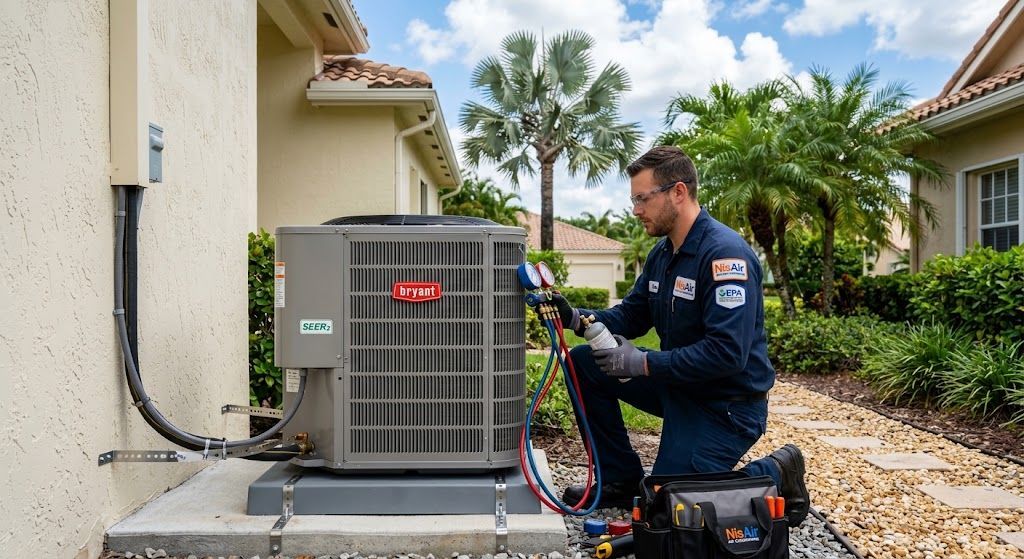
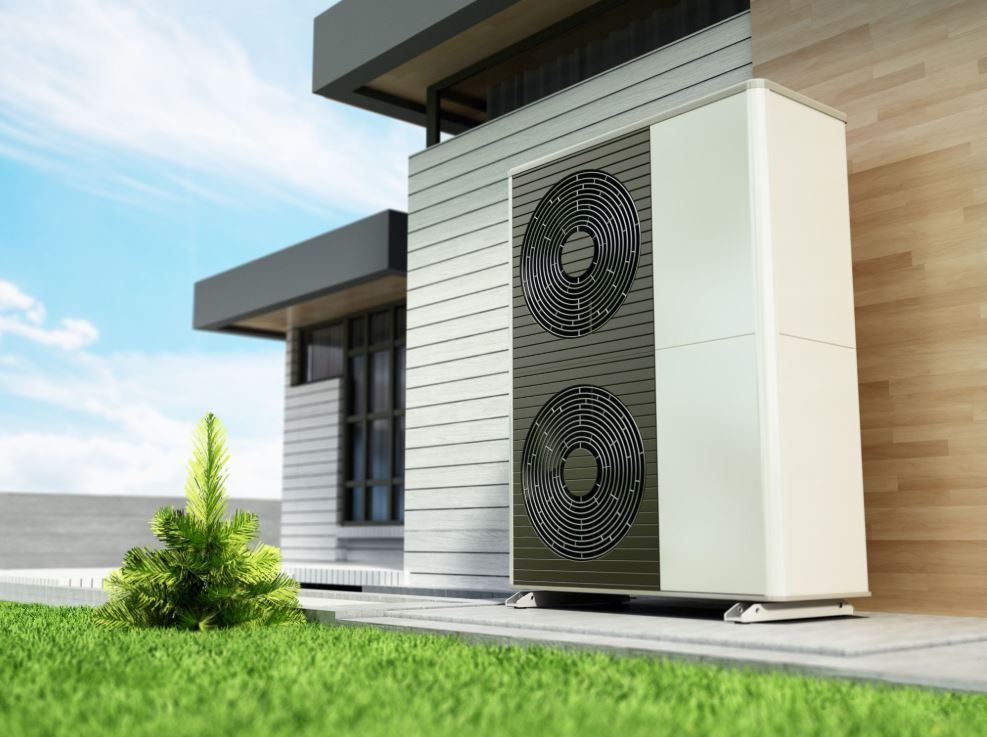
- Compressor and Condenser Coil: Housed in the outdoor unit, these components pressurize refrigerant and release captured heat into the outside air.
- Refrigerant Lines: Insulated copper tubing that carries refrigerant between the indoor and outdoor units.
- Condensate Drain Line: Collects and drains away the condensation that builds up on the indoor coil during the cooling process.
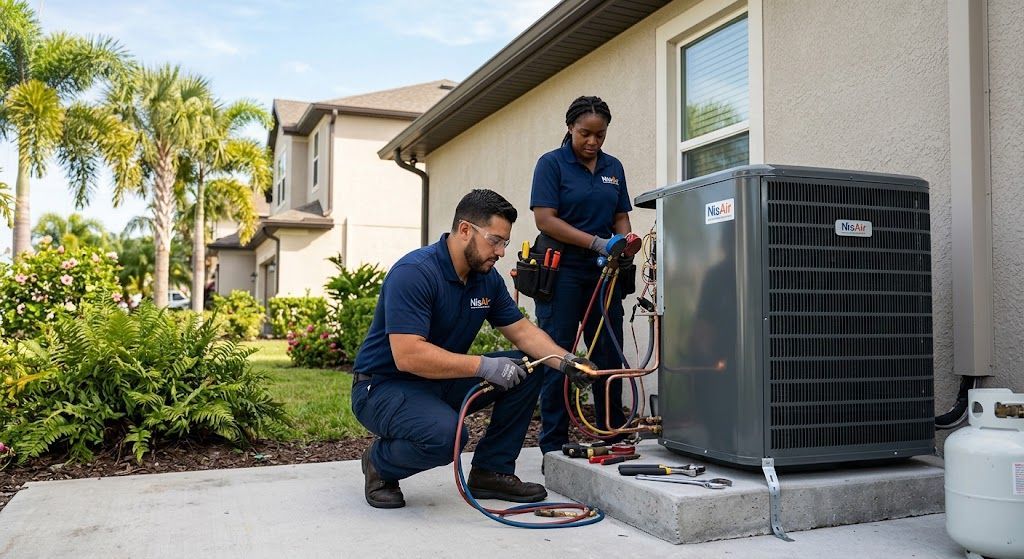
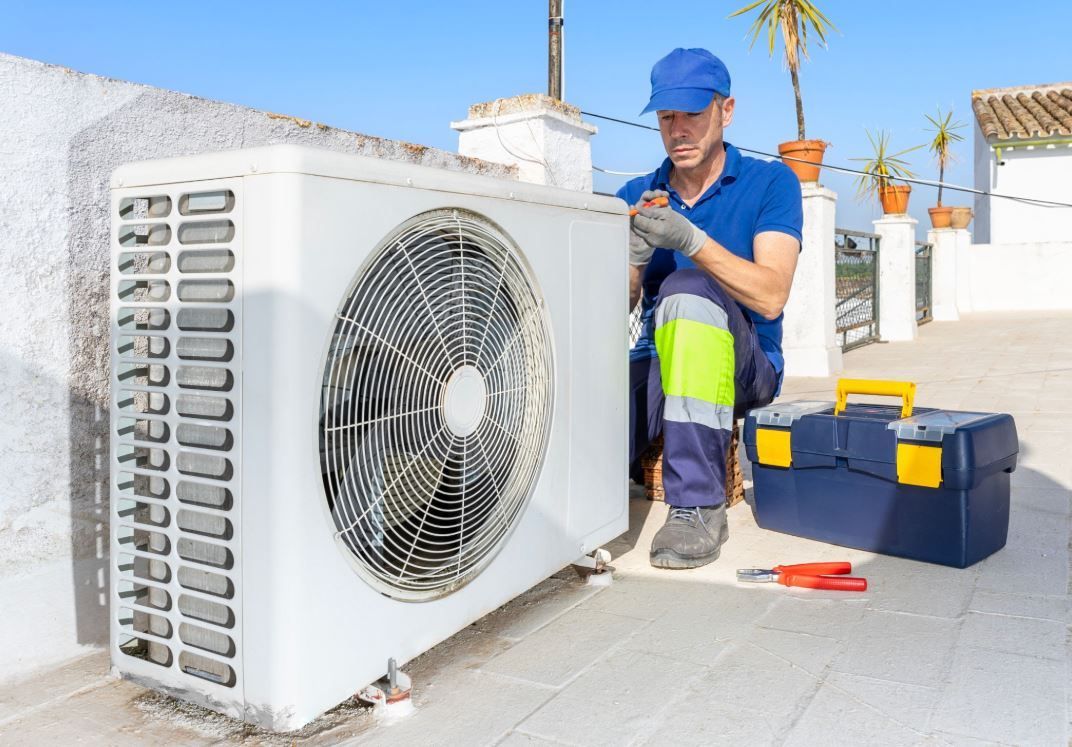
When any one of these components fails or suffers from poor maintenance, the entire system struggles to keep up. Recognizing how each part functions helps you spot minor symptoms before they turn into major breakdowns requiring professional Fort Pierce HVAC repair.
Early Warning Signs Your System Needs Attention
Air conditioners rarely fail without warning. Usually, subtle clues indicate that efficiency is dropping or a part is nearing the end of its lifespan. Being proactive allows you to address issues early, preventing costly emergency service calls on hot summer afternoons.
Warm or Weak Airflow
If the air blowing from your supply vents feels lukewarm or significantly weaker than usual, the cause could be as simple as a clogged air filter or as complex as a leaking duct or failing compressor. Weak airflow often points to a restricted air system, while warm air often suggests issues with refrigerant levels or the outdoor condenser unit.
Unusual Noises
While every HVAC system makes a gentle hum when running, sudden new noises warrant immediate investigation:
- Grinding or Squealing: Often indicates worn bearings in the blower motor or outdoor fan motor.
- Banging or Clanking: Points to a loose or broken part inside the compressor or fan housing.
- Hissing or Bubbling: Indicates a refrigerant leak along the coils or copper lines.
- Clicking Repeatedly: Suggests a failing relay switch, control board, or capacitor trying to start the unit.
Unpleasant Odors
Musty, damp smells coming from your registers indicate mold, mildew, or standing water inside the ductwork or drain pan. A burning smell suggests overheating electrical wiring or a stalled motor, while a stale, dirty sock smell often indicates bacterial growth on the indoor evaporator coils.
Unusually High Energy Bills
If your electricity usage spikes dramatically without a change in weather or household habits, your cooling system is likely cycling continuously or pulling excessive electrical current due to mechanical strain.
Step-by-Step Troubleshooting Guide for Homeowners
Before calling a professional technician for Fort Pierce HVAC repair, going through a quick checklist can help you resolve simple issues or provide helpful details to your service provider.
Step 1: Check the Thermostat Settings
Ensure your thermostat is set to "Cool" and the temperature setting is at least three to five degrees below the current room temperature. Check that the fan switch is set to "Auto" rather than "On"—setting the fan to "On" causes it to run continuously, circulating warm air even when the compressor shuts off. If your thermostat display is blank, replace the batteries or check your home's circuit breaker panel.
Step 2: Inspect and Replace the Air Filter
A clogged air filter is the leading cause of system short-cycling, reduced cooling output, and frozen evaporator coils. Slide out your current filter and hold it up to a light source. If light cannot pass through easily, install a fresh filter with the correct dimensions and MERV rating for your unit.
Step 3: Examine the Circuit Breaker
HVAC systems draw significant power, especially when starting up. Check your main electrical panel for any tripped breakers associated with the indoor air handler or outdoor condenser unit. Reset a tripped breaker once by switching it fully to the "Off" position before flipping it back to "On." If it trips a second time, do not reset it again; a recurring trip indicates a dangerous electrical overload or short circuit.
Step 4: Clear the Outdoor Condenser Unit
Walk outside and check your exterior unit. Remove leaves, grass clippings, dirt, and debris that may have gathered around the metal fins. Maintain at least two feet of clear space on all sides of the unit, and trim back overhanging branches or shrubs to allow proper airflow across the condenser coils.
Step 5: Check the Condensate Drain Line
Modern cooling systems feature a safety float switch inside the condensate drain pan. If the PVC drain line becomes clogged with algae or debris, water backs up into the pan and trips the switch, automatically shutting down the system to prevent water damage to your ceilings or flooring. Inspect the drain line termination outside your home to see if water is flowing freely when the unit runs.
Preventing Frequent Repairs Through Regular Maintenance
Routine maintenance keeps your equipment running smoothly and extends the operational lifespan of your unit. Implementing a simple seasonal checklist preserves energy efficiency and reduces wear on key components.
- Change Filters Regularly: Replace standard one-inch filters every 30 to 60 days, especially during periods of heavy summer use or if you have pets.
- Flush the Drain Line: Pour a cup of plain white vinegar or warm water down the indoor condensate drain access point monthly to kill algae and prevent sludge accumulation.
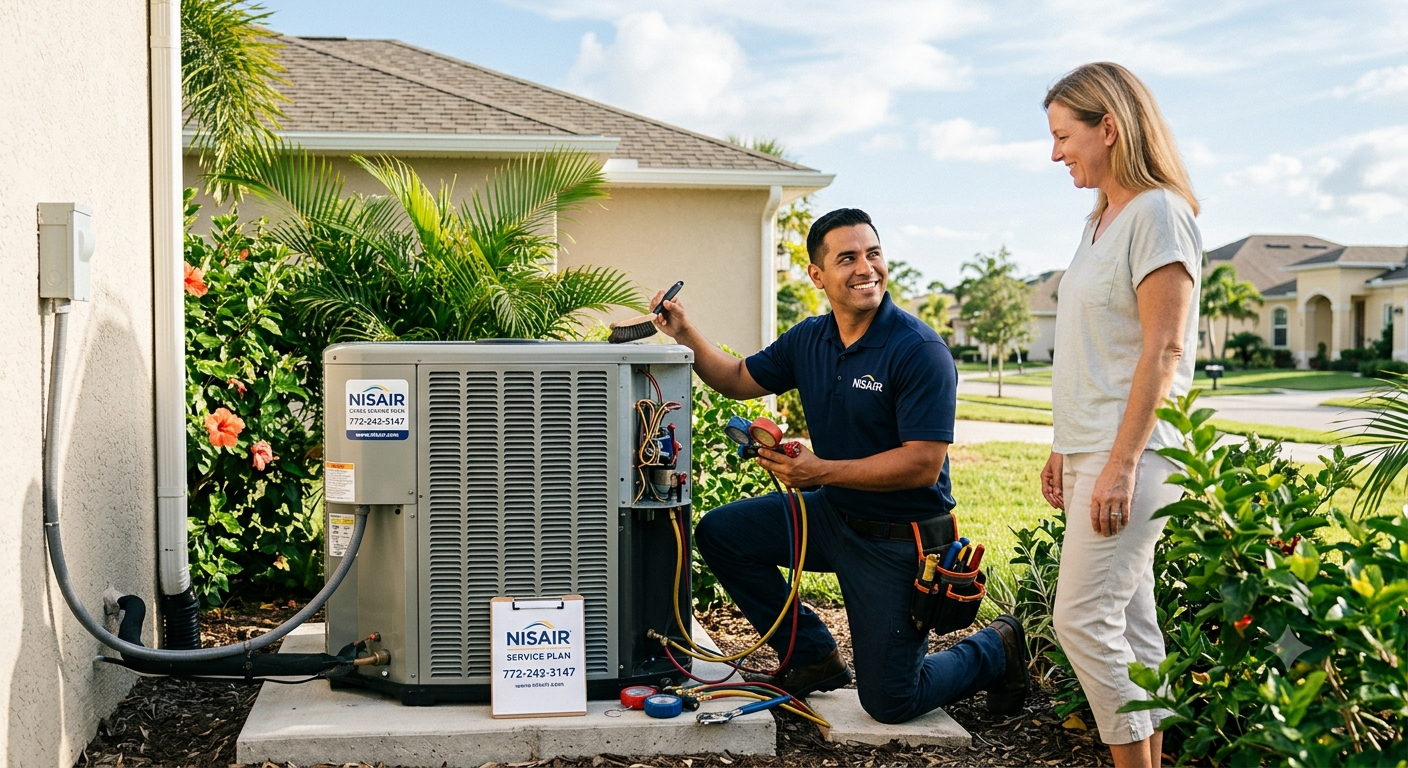
- Clean Around Outdoor Coils: Gently spray down the exterior unit's metal fins with a garden hose periodically to rinse away dirt and salt deposits. Never use a high-pressure power washer, as it can bend the delicate aluminum fins.
- Keep Vents Clear: Ensure return air grilles and supply registers inside your home are not blocked by furniture, drapes, or rugs.
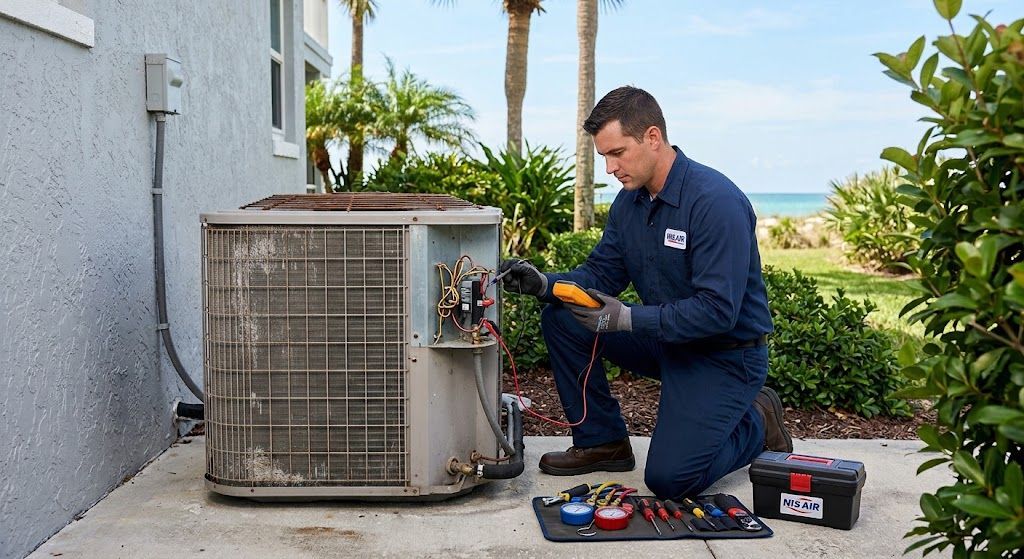
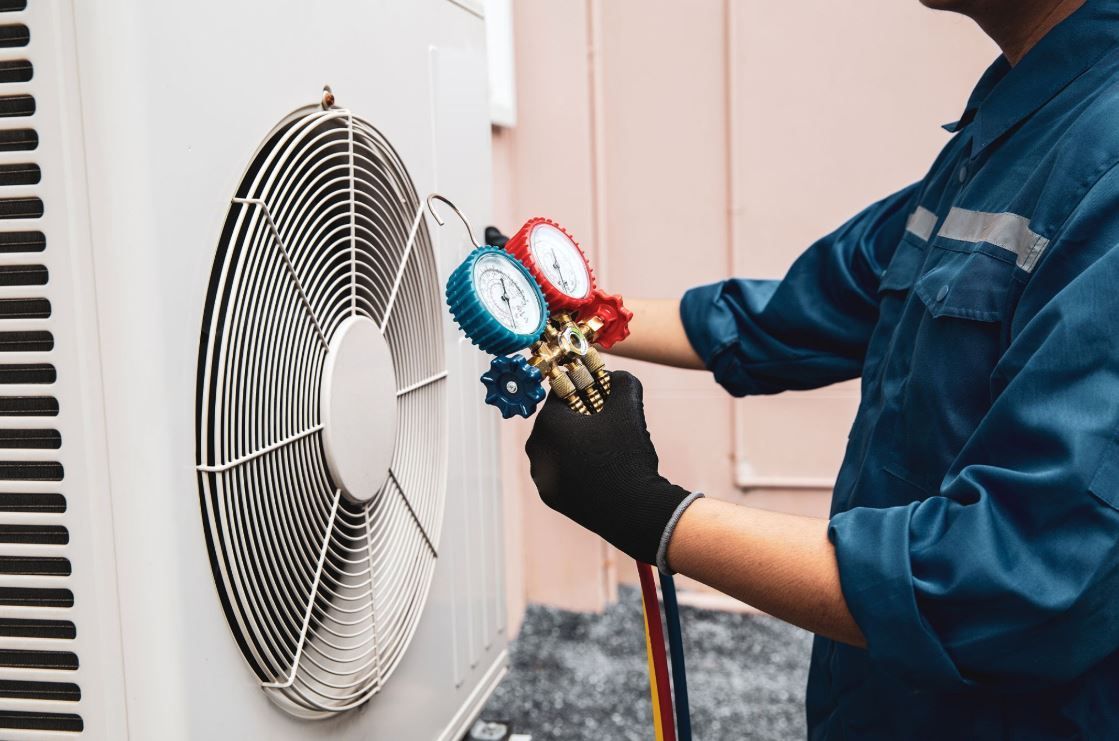
While DIY maintenance keeps everyday operation smooth, professional inspections remain critical. Having a technician inspect electrical connections, measure refrigerant charge, check blower assembly balance, and test safety switches twice a year ensures long-term reliability.
Choosing the Right Service Provider for Your Home
When home troubleshooting steps do not solve the problem, working with an experienced local contractor ensures your system receives accurate diagnostics and reliable solutions.
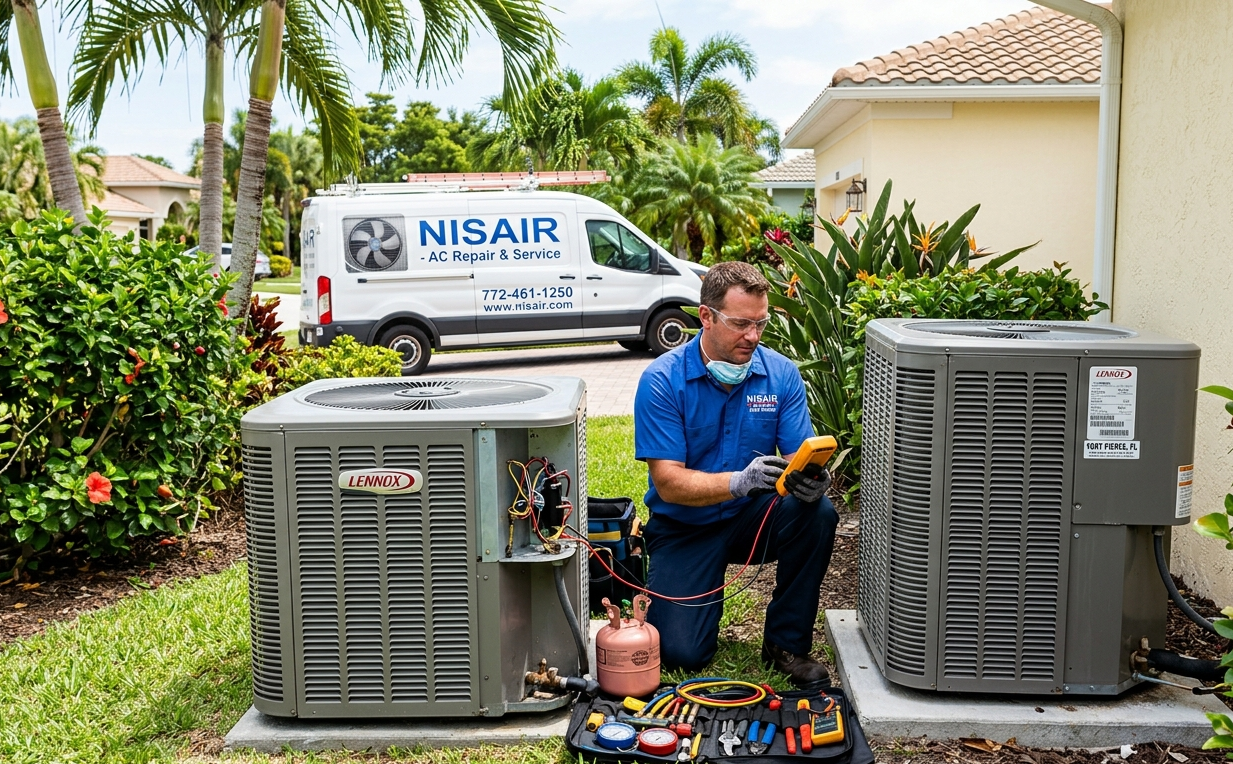
Look for service providers who employ certified technicians, offer transparent pricing, and understand the coastal climate conditions unique to Florida homes. Whether you need routine seasonal maintenance, emergency component replacement, or a complete system upgrade, choosing dependable experts guarantees peace of mind and lasting indoor comfort. When unexpected cooling issues arise, relying on trusted, local expertise for
Fort Pierce HVAC repair ensures your home stays cool, efficient, and comfortable year-round.
Maintaining a comfortable home requires balancing regular preventive care with timely repairs. By monitoring system performance, addressing minor warning signs quickly, and scheduling annual professional tune-ups, you can protect your HVAC investment and enjoy efficient cooling for years to come.