Living on Florida’s Treasure Coast means enjoying beautiful beaches, ocean breezes, and year-round sunshine. However, it also means relying heavily on your heating, ventilation, and air conditioning system to stay comfortable. The intense heat, persistent humidity, and salty air put unique pressures on home cooling systems. When your air conditioner runs non-stop throughout the hot summer months, power bills can skyrocket, and system wear and tear becomes a real concern.
Fortunately, maintaining a comfortable indoors while keeping energy costs under control is achievable. With a proactive approach to routine care and clever operation, you can significantly reduce utility bills and extend the lifespan of your cooling unit. This guide outlines seven effective steps to maximize efficiency, cut energy spending, and know when it is time to call upon professional
Fort Pierce HVAC services.
1. Upgrade to a Programmable or Smart Thermostat
One of the easiest ways to trim energy spending without sacrificing comfort is upgrading your controls. Manual thermostats require constant attention, and it is easy to forget to turn down the air conditioning before leaving for work or heading out for the weekend.
Set Realistic Temperature Schedules
A programmable thermostat lets you automatically adjust home temperature based on daily schedules. When you are away at work or sleeping, setting the temperature 7 to 10 degrees higher than usual can save up to 10 percent a year on cooling expenses. During Florida summers, a recommended standard setting when you are home is 78 degrees Fahrenheit. While this might sound warm initially, combining this temperature with proper ceiling fan usage makes the room feel several degrees cooler.
Leverage Smart Thermostat Features
Smart thermostats take energy savings further by learning daily habits and adjusting temperatures automatically. Many models include geofencing features that detect when you leave or approach home using your mobile phone’s location. This ensures energy is never wasted cooling an empty house, while still welcoming you back to a cool environment. Furthermore, smart thermostats provide detailed usage reports, helping you identify trends and pinpoint opportunities to lower electric bills even more.
2. Master the Science of Air Filter Replacement
Air filters play a vital role in protecting internal HVAC components and maintaining healthy indoor air quality. Yet, neglected air filters remain one of the leading causes of avoidable system breakdowns and inflated energy costs.
How Clogged Filters Strain Your System
As an air filter collects dust, pet dander, pollen, and debris, airflow becomes restricted. When airflow is blocked, the blower motor must work significantly harder to push air through ductwork. This extra effort draws more electricity and increases internal temperatures within the handler, placing severe strain on the unit. Over time, restricted airflow can cause the evaporator coil to freeze, resulting in short-cycling or complete system failure.
Choosing the Right Replacement Schedule
In coastal areas with elevated humidity and high airborne pollen, replacing return air filters regularly is essential. Standard one-inch fiberglass filters generally need replacement every 30 days. Higher-efficiency pleated filters can last up to 90 days, but homes with pets, residents suffering from allergies, or frequent door openings may require monthly changes. Inspecting filters every 30 days ensures optimal airflow and protects cooling equipment against premature failure. When filter changes fail to restore airflow, booking professional
Fort Pierce HVAC services helps diagnose underlying blower or ductwork issues.
3. Clear and Maintain the Outdoor Condenser Area
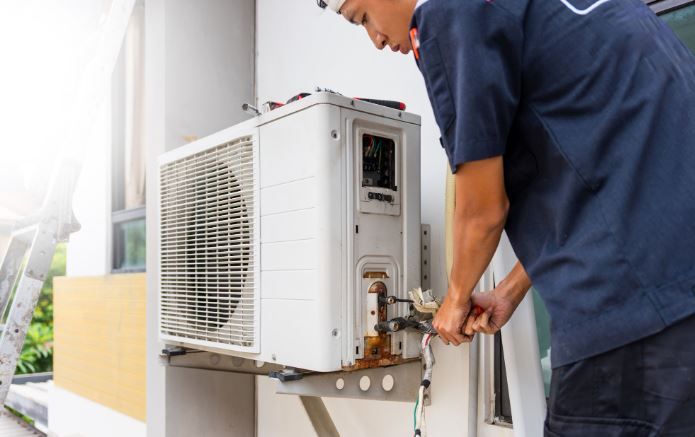
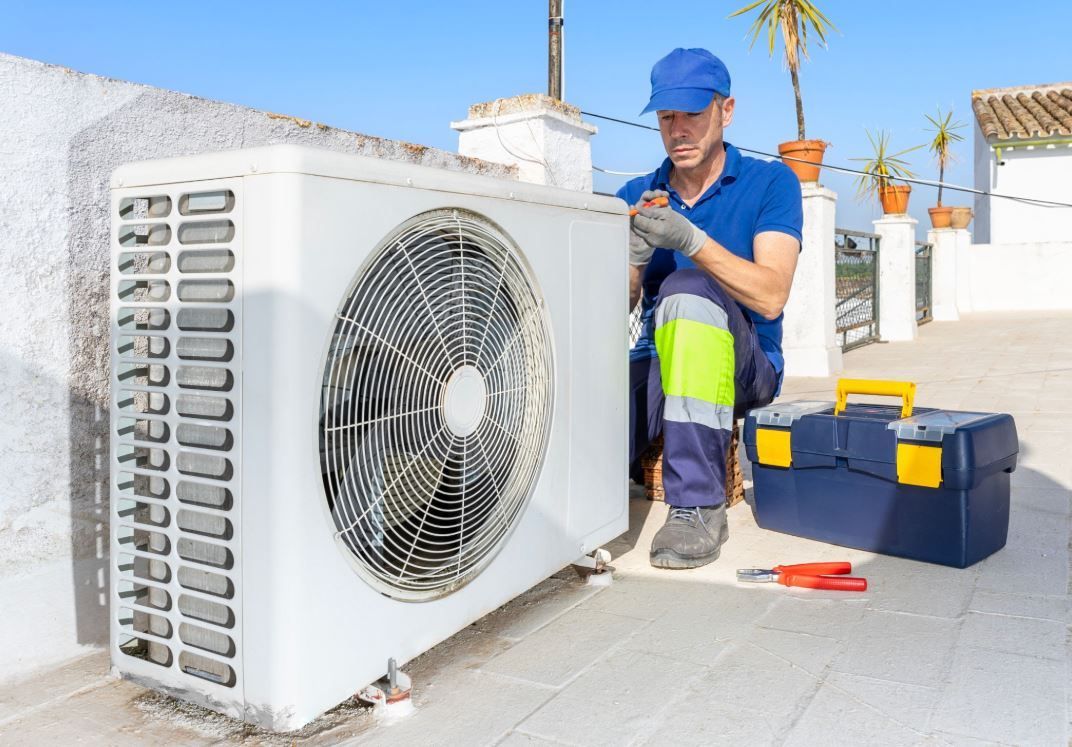
The outdoor condenser unit works continuously to transfer heat from inside your home out into the surrounding environment. If the condenser coil becomes coated in dirt or obstructed by landscaping, this heat exchange process breaks down, forcing the compressor to run longer cycles.
Clear Landscaping and Debris Around the Unit
Maintain at least a two-foot clearance around all sides of your outdoor unit. Cut back overgrown bushes, trim tree branches, and keep grass clippings away from the fin surfaces. In coastal regions, falling palm fronds and windblown debris frequently gather around condenser bases, blocking necessary intake air.
Safely Clean the Condenser Coils
Dust, dirt, and salt spray accumulate on condenser fins over time, forming an insulating barrier that traps heat. You can perform basic exterior cleaning by shutting off power to the unit at the disconnect box and gently rinsing the outer fins with a garden hose angled downward. Never use a high-pressure washer, as intense force bends fragile aluminum fins, permanently restricting airflow. If fins are bent or heavy grime persists, qualified
Fort Pierce HVAC services can apply specialized chemical coil cleaners and straighten bent fins safely.
4. Manage Indoor Humidity and Airflow Dynamics
Cooling is only half the battle during a humid Florida summer; moisture removal is equally crucial for true comfort. High indoor humidity makes temperatures feel significantly warmer than they actually are, tempting homeowners to turn thermostats lower than necessary.
Utilize Ceiling Fans Correctly
Ceiling fans create a wind-chill effect on skin, making rooms feel up to four degrees cooler without altering actual air temperature. This allows you to raise thermostat settings slightly without compromising personal comfort. Remember that fans cool people, not rooms—turn off ceiling fans when leaving a space to prevent wasting electricity. Always ensure fan blades rotate counterclockwise during summer months to push air downward.
Keep Vents and Internal Doors Open
Closing air vents in unused rooms might seem like an effective way to save energy, but modern central cooling systems are balanced for whole-house airflow. Closing supply vents increases static pressure within ductwork, causing air leaks, stressing the blower motor, and upsetting temperature balances. Keep interior doors open whenever possible to facilitate free air circulation back to central return vents.
5. Seal Air Leaks Around Windows, Doors, and Ductwork
Conditioned air escaping your living space represents direct money lost. Likewise, warm, humid outdoor air seeping inside forces your unit to run constantly to maintain target temperatures.
Inspect and Seal Exterior Openings
Examine weather stripping around exterior doors and window frames for worn spots or gaps. Replace damaged seals and apply outdoor-rated caulk around window frames, pipe penetrations, and exterior wall openings. Sealing these gaps prevents hot, humid air from infiltrating living spaces and reduces the workload on cooling equipment.
Address Ductwork Losses
Duct systems located in hot attics can leak a substantial portion of conditioned air before it ever reaches living areas. Loose joints, unsealed seams, or damaged flex ducts allow cold air to escape into attic spaces while pulling scorching attic air into the return stream. Look for visible disconnects or sagging duct sections in accessible attic areas. Professional
Fort Pierce HVAC services use specialized equipment to test duct pressure, seal leaks with mastic sealant, and ensure insulation values meet modern energy standards.
6. Utilize Window Coverings and Reduce Internal Heat Gains
Sunlight streaming through glass windows adds substantial heat load to home interiors, forcing cooling systems to work overtime during peak afternoon hours. Managing solar heat gain is an effective, zero-cost strategy for lowering energy consumption.
Block Afternoon Solar Heat
South and west-facing windows receive intense solar radiation throughout late afternoon hours. Close blinds, drapes, or solar shades during peak daylight hours to block direct sunlight. Reflective window films or exterior awnings also provide excellent defenses against intense thermal energy.
Minimize Household Heat Generation
Household appliances generate significant internal heat. Running clothes dryers, dishwashers, or traditional ovens during the hottest parts of the day forces your cooling unit to fight against internal heat sources. Shift heat-generating chores to cooler evening hours, or utilize outdoor grills and microwave ovens for meal preparation during summer peaks. Switching traditional incandescent light bulbs to energy-efficient LEDs also reduces ambient heat indoors.
7. Schedule Professional Seasonal Maintenance
While routine DIY tasks like changing filters and clearing yard debris are vital, they cannot replace comprehensive professional care. Modern cooling systems are complex electro-mechanical setups that require technical expertise and specialized diagnostic tools to operate at peak efficiency.
What Happens During Professional Tune-Ups?
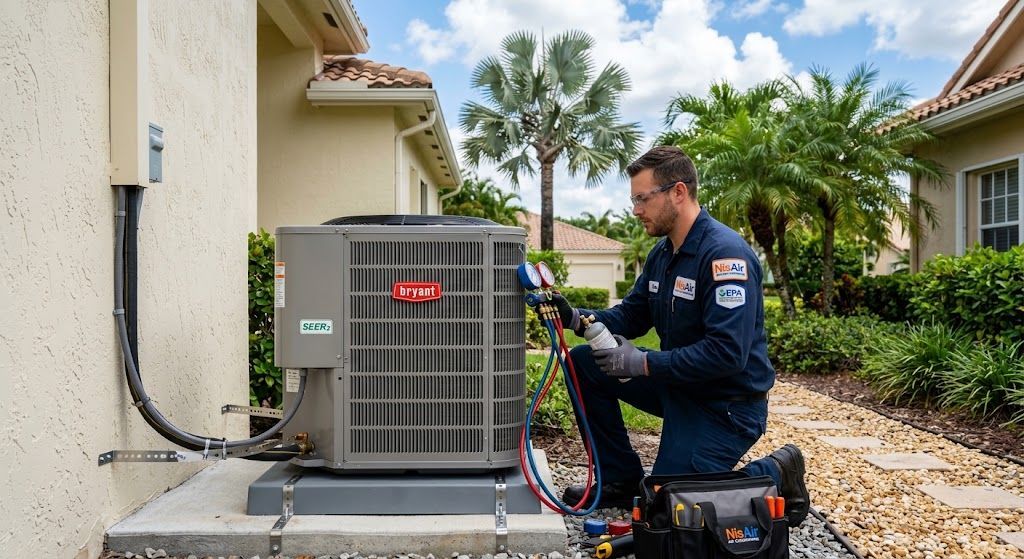
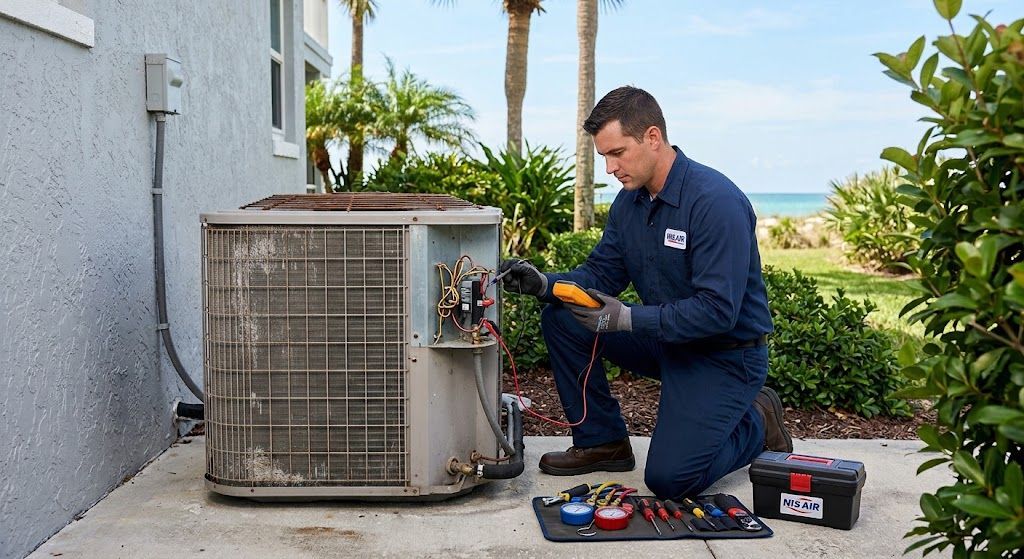
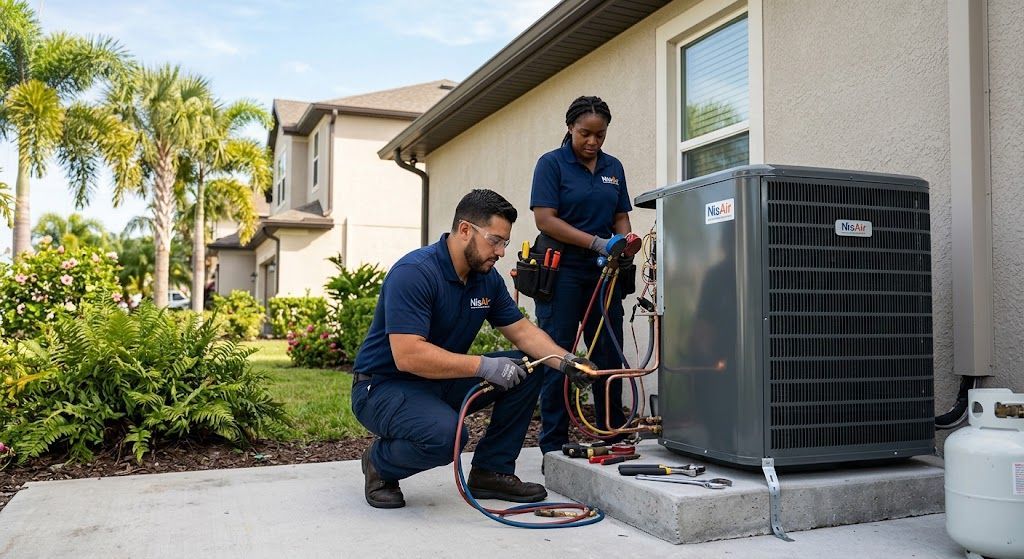
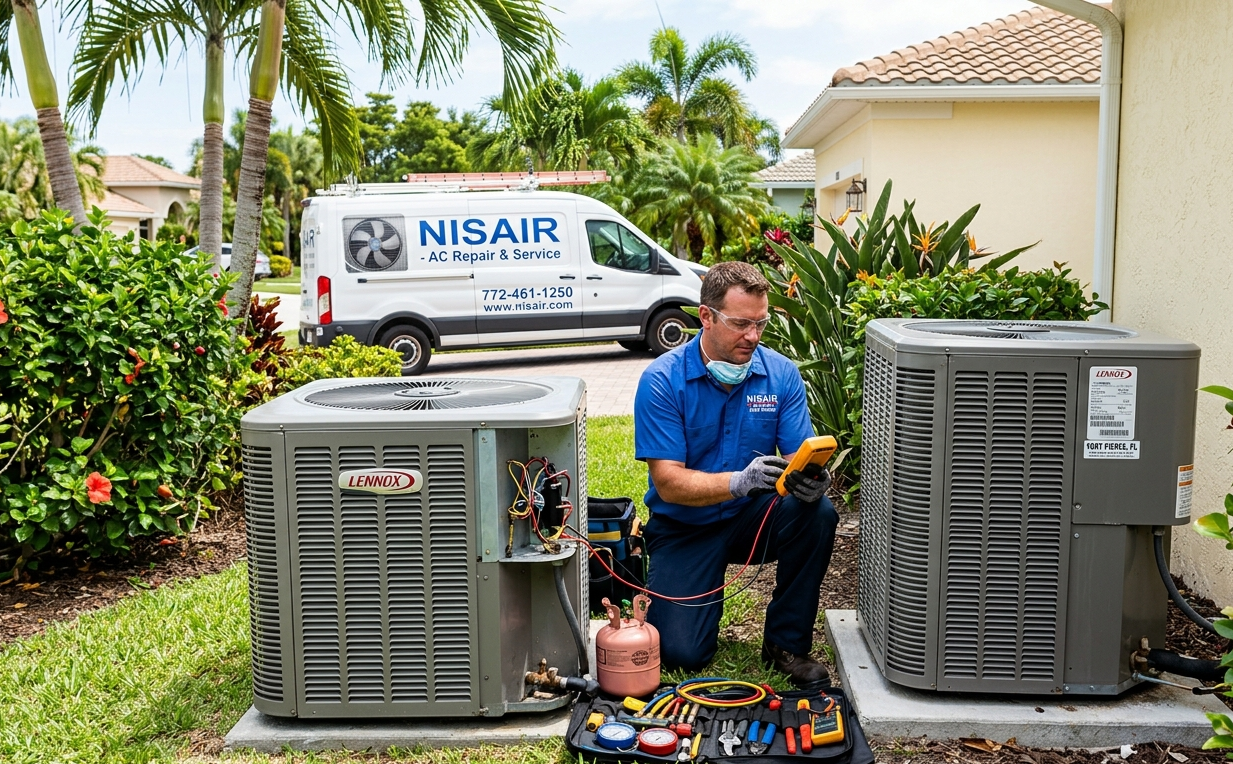
During a professional maintenance visit, certified technicians execute detailed multi-point inspections that cover components inaccessible to homeowners:
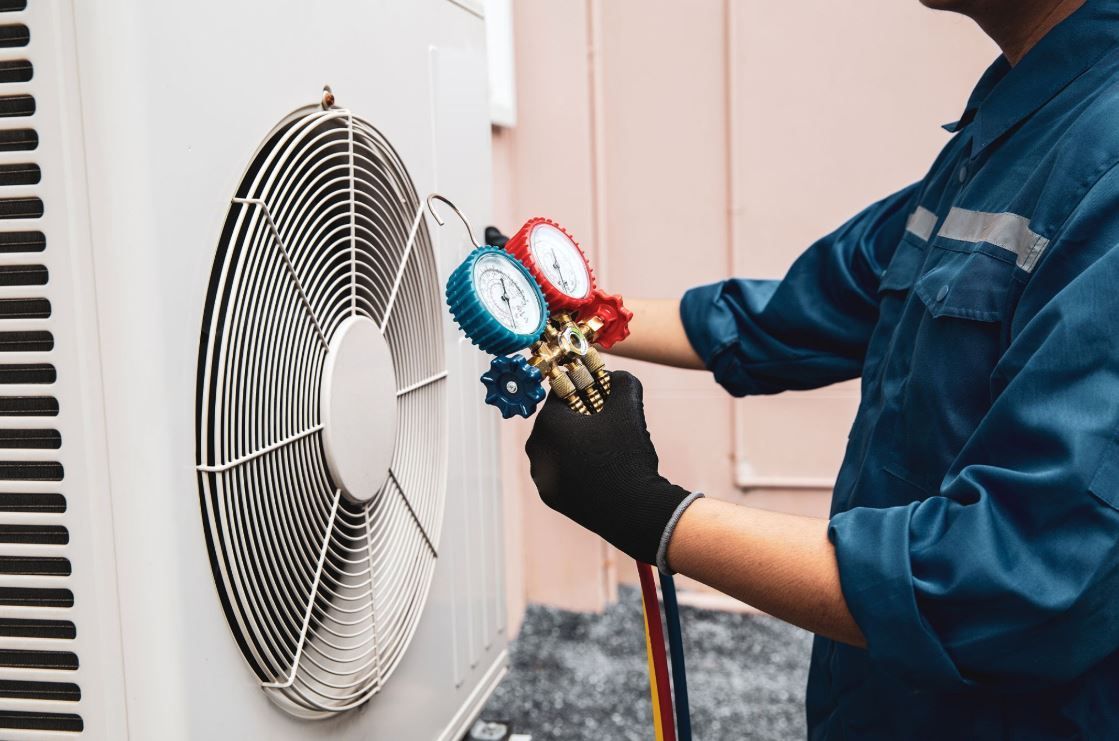
- Measuring refrigerant levels and checking for costly leaks
- Testing electrical connections, capacitors, and contactors
- Cleaning condensate drain lines and inspecting drain pans to prevent water damage
- Inspecting evaporator and condenser coils for buildup or corrosion
- Calibrating thermostats and verifying system airflow balance
- Lubricating motors and inspecting fan blades for proper balance
Catching minor mechanical issues during routine service prevents unexpected breakdowns during peak summer heat waves when repair companies face heavy scheduling demands.
The Long-Term Financial Benefits
Investing in regular professional maintenance yields immediate returns. Systems that undergo routine tune-ups run far more efficiently, directly lowering monthly utility bills. Regular maintenance reduces severe mechanical failures and extends the total operating lifespan of equipment by several years, postponing expensive system replacement costs. Furthermore, many equipment manufacturers require documented proof of annual maintenance to honor factory warranty claims on major components like compressors and heat exchangers.
Recognizing When to Seek Professional Assistance
Even with diligent maintenance, cooling systems eventually experience wear that requires expert intervention. Recognizing warning signs early prevents minor technical issues from escalating into complete system failures.
Key Signs Your System Needs Professional Care
Contact an expert if you observe any of the following symptoms:
- Unusual Noises: Squealing, grinding, banging, or clicking sounds often indicate worn belt drives, failing motor bearings, or loose internal components.
- Warm Air Blowout: If air blowing from vents feels warm or lukewarm despite low thermostat settings, your system may suffer from refrigerant leaks or compressor faults.
- Frequent Short-Cycling: Systems turning on and off rapidly every few minutes signal thermostat miscalibrations, overheating components, or oversized equipment issues.
- Spiking Electric Bills: Sudden, unexplained increases in utility bills without changes in usage habits usually point to declining operational efficiency or failing mechanical parts.
- Water Pooling: Standing water around the indoor air handler indicates a clogged condensate drain line or damaged drain pan that risks serious home water damage.
When these warning signs appear, seeking prompt help from certified professionals keeps minor repairs from becoming costly replacements. For reliable maintenance, system repairs, and new installations, trust NisAir for
Fort Pierce HVAC services to keep your home comfortable and energy efficient all year long.
Final Thoughts on Sustaining Home Comfort
Managing home cooling performance in Florida requires combining sensible daily habits with routine mechanical care. Simple steps—such as installing programmable controls, replacing return air filters monthly, blocking afternoon sunlight, and keeping outdoor units free of debris—yield noticeable reductions in monthly power spending.
When paired with comprehensive professional maintenance, these proactive measures ensure consistent indoor comfort, healthier indoor air quality, and dependable cooling during the hottest months of the year. Take control of home energy usage today by implementing these practical maintenance steps and partnering with skilled cooling specialists to protect your investment for years to come.