When living in coastal Florida, a functional climate control system is far more than a luxury—it is an absolute necessity. Between blistering summer heat waves, suffocating humidity levels, and sudden cold snaps during the winter months, your heating, ventilation, and air conditioning system works relentlessly to keep your indoor environment safe and comfortable.
However, because these mechanical systems operate under continuous strain, components naturally wear down over time. When airflow drops, warm air starts blowing from your vents, or unusual noises echo through your ductwork, ignoring the signs can lead to severe structural damage and exorbitant energy bills. Understanding how your heating and cooling equipment operates, identifying common symptoms of mechanical distress, and knowing when to call certified professionals will preserve your home comfort, lower your monthly utility costs, and significantly extend the lifespan of your system.
Understanding the Hidden Strain on Coastal Climate Control Systems
Living along the coast brings incredible sunshine, but it also creates one of the most harsh environments in the country for mechanical cooling and heating units. Constant exposure to salty marine air, intense humidity, and non-stop operational hours places incredible physical demands on electrical and refrigeration components.
The Impact of High Humidity on Cooling Efficiency
Air conditioners do not simply lower the ambient air temperature; they perform the equally important task of removing moisture from the air. When indoor humidity exceeds healthy levels (typically above 50% relative humidity), your home feels sticky, warm, and uncomfortable even if the thermostat reads 72°F.
To battle high moisture, your air conditioner must run longer cooling cycles. This extended operation places extra strain on the compressor, fan motors, and electrical contacts. Over time, excessive condensation can overload the internal drainage system, resulting in clogged drain lines, standing water damage, and accelerated biological growth inside ductwork.
Salt Air and Coastal Coil Corrosion
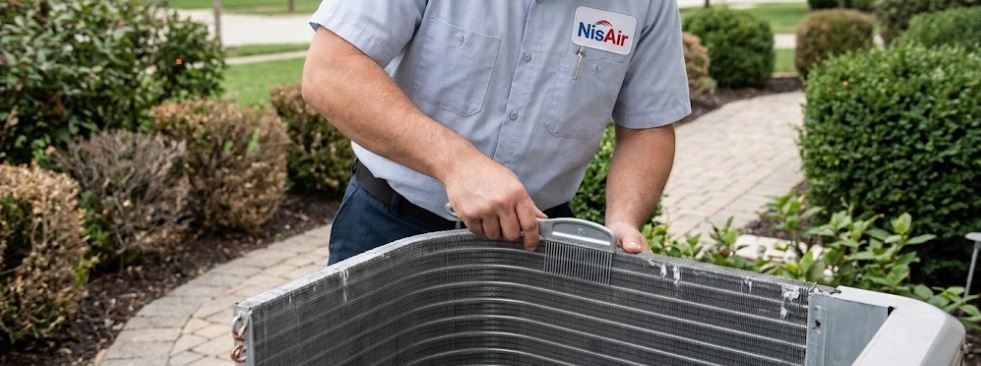
For properties situated near coastal waters, airborne salt spray poses a silent, aggressive threat to outdoor condenser coils. Salt accelerates metal oxidation, leading to a condition known as "pitting corrosion."
As coil fins degrade, heat transfer capability drops dramatically. The unit must draw substantially more electricity to cool the same volume of air, driving up monthly utility bills and causing internal operating temperatures to spike. Without protective coatings and routine washing, coastal AC units can suffer prematurely shortened lifespans.
5 Warning Signs Your System Demands Immediate Attention
Catching equipment issues in their earliest stages is the most effective way to avoid complete mechanical failure. While some system failures happen unexpectedly, most HVAC problems exhibit clear warning signs before shutting down completely.
1. Warm or Room-Temperature Air
If your vents are discharging lukewarm air while the system is set to cooling mode, immediate troubleshooting is required. This problem is frequently linked to a failing compressor, frozen evaporator coils, dirty air filters, or a loss of refrigerant pressure. Continuing to run a unit with low refrigerant can permanently damage the compressor—the most expensive component in your entire system.
2. Weak or Restricted Airflow
Inconsistent or restricted airflow throughout your home indicates that air is not circulating efficiently through the system. Common causes include severely clogged air filters, collapsing flexible ductwork, a failing blower motor, or obstructions within the duct system itself. Poor airflow starves the equipment of necessary heat exchange, often causing the indoor evaporator coil to turn into a solid block of ice.
3. Frequent Short-Cycling
Short-cycling occurs when your heating or cooling system turns on, runs for a brief period, shuts off abruptly, and then restarts moments later. This constant starting and stopping places massive electrical and mechanical stress on the system's start capacitors and compressor. Short-cycling can be triggered by a miscalibrated thermostat, overheating components, or an improperly sized HVAC unit.
4. Unusual Operational Noises
While modern climate control systems operate with relative quietness, sudden new sounds warrant prompt investigation:
- Squealing or Screeching: Indicates a worn blower motor belt or dry motor bearings.
- Banging or Metal-on-Metal Clanking: Signals a loose or detached internal component inside the compressor or assembly.
- Buzzing or Clicking: Often points to electrical failure, such as contactor wear, bad wiring, or a malfunctioning relay switch.
- Hissing or Bubbling: A classic sign of a high-pressure refrigerant leak within the copper lines.
5. Persistent Unpleasant Odors
Foul smells emitting from your vents should never be ignored. A musty, dirty-sock odor typically points to mold, mildew, or bacterial growth on the damp evaporator coil or within the drain pan. On the other hand, a burning electrical smell indicates melting wire insulation or an overheating motor, which presents an immediate fire hazard that demands turning off power at the circuit breaker.
Key Components that Fail and How They Are Serviced
To better understand recommendations from service technicians, it helps to know how major components function and why they break down over time.
Thermostats and Control Boards
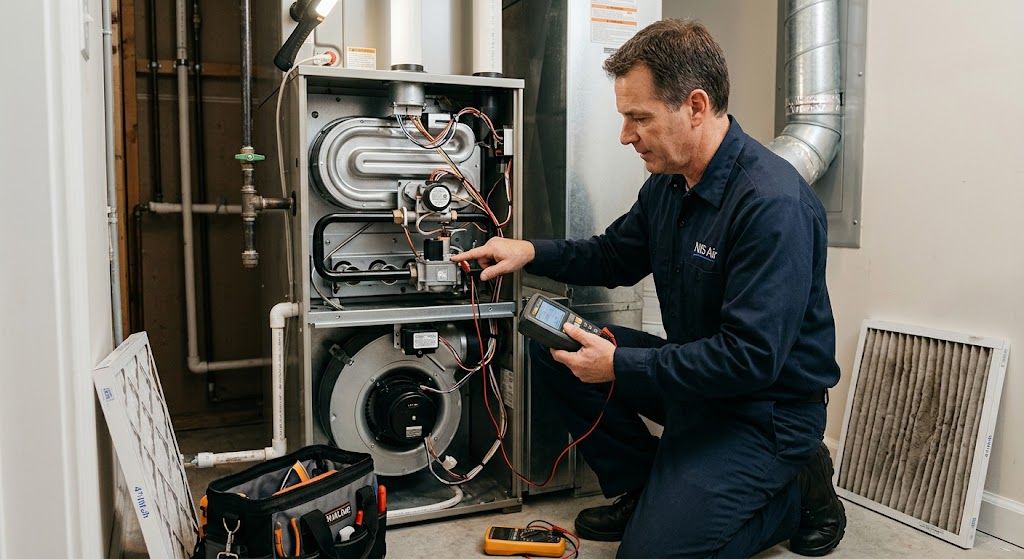
The thermostat serves as the brain of your climate control infrastructure. Modern programmable and smart thermostats communicate directly with the control board inside your indoor handler to regulate temperature and humidity. Loose wiring, dead batteries, dirty electrical contacts, or firmware glitches can cause the thermostat to lose connection with the unit, resulting in irregular cycling or a system that refuses to turn on altogether.
Capacitors and Contactors
Capacitors act as electrical storage units that give fan motors and compressors the high-voltage boost required during system startup. Contactors act as the electrical switches that engage voltage when the thermostat calls for cooling or heating. Because Florida systems cycle on and off thousands of times each year, capacitors degrade under heat and electrical friction, while contactor points scorch and pit. Replacing worn capacitors and contactors during routine checks prevents severe motor damage.
Evaporator and Condenser Coils
Heat transfer relies on two main coil systems:
- The Evaporator Coil (Indoor): Absorbs heat and moisture from indoor air using cold refrigerant fluid.
- The Condenser Coil (Outdoor): Releases the absorbed indoor heat into the outside atmosphere.
Dirt, dust, pet dander, and coastal salt build up on these coils, creating an insulating layer that blocks heat transfer. Routine deep cleaning restores thermal heat exchange efficiency and keeps system pressures within safe operating limits.
The Drain Pan and Condensate Line
As cooling coils extract humidity from warm air, moisture drips down into a drain pan and flows away from the home via a PVC condensate line. Because the drain line remains warm and moist, algae, sludge, and debris frequently form blockages inside the pipe. Without proper float switches and routine flushing, backing up condensate water will overflow into ceilings, walls, and flooring, causing expensive property damage.
Proactive DIY Maintenance Steps for Homeowners
While technical mechanical repairs must always be handled by licensed, NATE-certified technicians for safety and warranty compliance, homeowners can take basic proactive measures to keep their units running smoothly.
Change Filters Religiously
The simplest and most critical maintenance task is inspecting and replacing your air filters every 30 to 90 days. A dirty, clogged air filter restricts airflow across the indoor coil, forcing fan motors to work harder, accelerating energy consumption, and often causing the system to freeze up entirely.
Maintain Outdoor Clearance
Keep the area surrounding your outdoor condenser unit free from landscaping debris, tall grass, weeds, leaves, and outdoor storage containers. Aim for at least two feet of clear space around the entire perimeter of the unit to ensure adequate air circulation and prevent overheating.
Keep Vents and Registers Unblocked
Ensure that supply and return air vents inside your home are open and clear of obstruction. Blocking air registers with heavy furniture, drapes, or rugs alters ductwork pressure balance, placing undue stress on the blower fan and reducing overall system efficiency.
The Value of Preventative Maintenance Plans
Waiting until your air conditioning unit stops working during a hot summer afternoon usually results in uncomfortable indoor conditions and higher emergency callout costs. Investing in a structured preventative maintenance plan is a smart strategy for long-term home management.
Benefits of Bi-Annual Tune-Ups
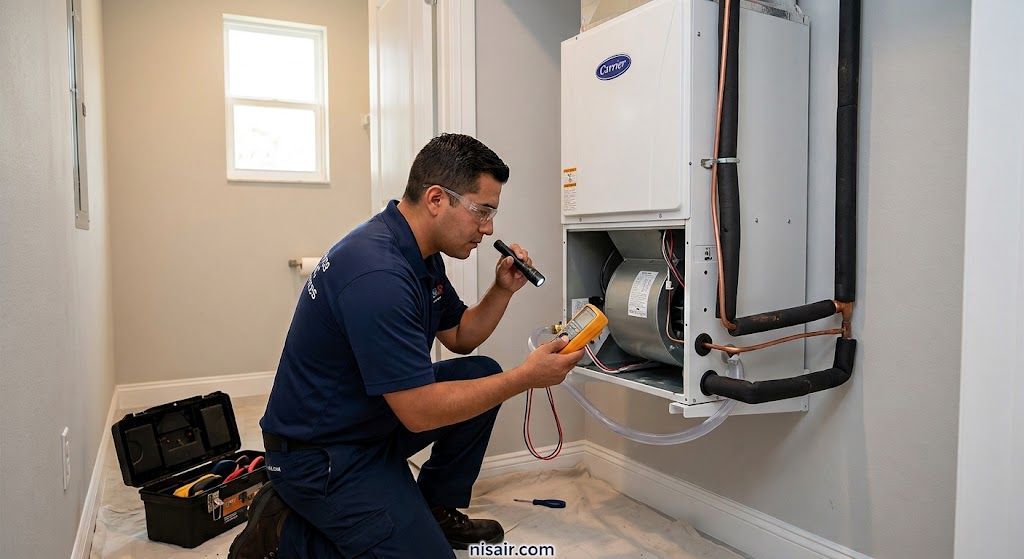
Having a professional technician inspect, clean, and test your system twice per year yields significant benefits:
- Lower Monthly Energy Bills: Properly cleaned, tuned, and balanced systems consume less electricity to maintain desired indoor temperatures.
- Extended Equipment Lifespan: Catching small mechanical issues like failing capacitors or minor leaks prevents major catastrophic component failures down the road.
- Preserved Manufacturer Warranties: Most major HVAC manufacturers explicitly require proof of regular professional maintenance to honor multi-year component warranties.
- Enhanced Indoor Air Quality: Deep cleaning internal components removes trapped dust, pollen, mold spores, and allergens before they circulate through your living space.
Choosing a Trusted HVAC Partner in Your Local Area
When unexpected mechanical issues occur, having a dependable local service company makes all the difference. A reliable HVAC service provider should bring decades of local experience, transparent pricing policies, emergency availability, and fully licensed technicians capable of servicing all major makes and models.
Whether you need rapid emergency service, specialized indoor air quality solutions, or a complete high-efficiency replacement, partnering with local experts ensures your home remains a cool, comfortable sanctuary no matter how harsh the weather becomes outside. For prompt, professional service delivered by NATE-certified technicians across the Treasure Coast, trust NisAir for
HVAC Repair solutions tailored specifically to your home.
By taking a proactive approach to equipment care, staying vigilant for early warning signs, and relying on certified local technicians, you can enjoy peace of mind knowing your climate control system will perform reliably for years to come.