Which HVAC System Works Best for New Construction in Vero Beach, FL?
Choosing the right HVAC system for new construction in Vero Beach, FL depends on your floor plan, insulation quality, and long-term energy goals.
What Should Builders and Homeowners Consider Before Selecting a System?
The HVAC system for a new build should be designed around the home, not selected off a shelf. A proper Manual J load calculation determines exactly how much heating and cooling capacity each room requires based on square footage, window placement, insulation type, and roof orientation.
Oversizing is one of the most common mistakes in new construction. A system that is too large cools the home quickly but shuts off before it removes enough humidity, leaving rooms feeling clammy even at low temperatures. Undersizing creates the opposite problem, with the unit running nonstop and struggling to keep up during peak summer heat. Both scenarios waste energy and shorten equipment lifespan.
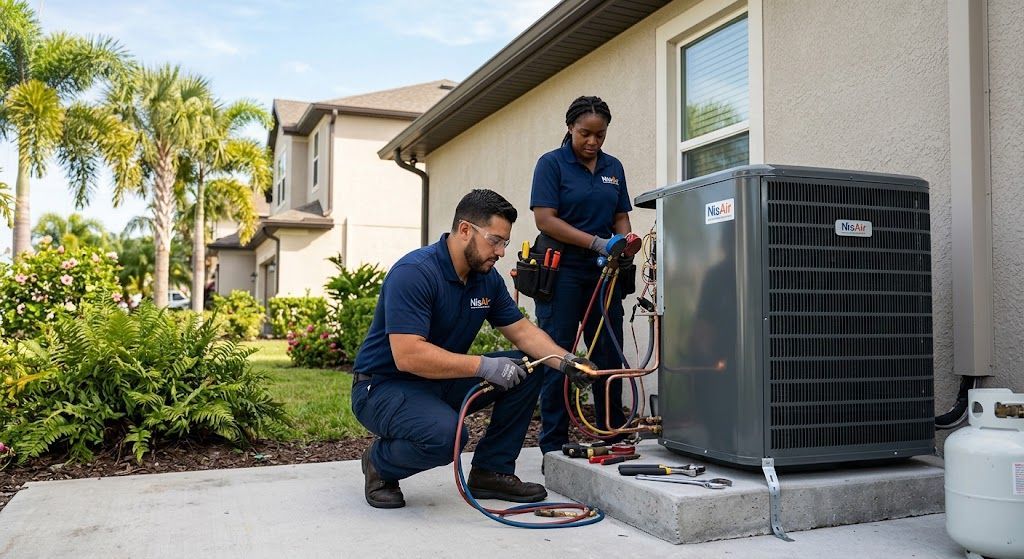
Your builder may suggest a standard system, but working with an HVAC specialist during the design phase gives you more control over duct layout, return air placement, and zone configuration. Professional new construction HVAC services in Vero Beach ensure that every component is matched to the home's specific needs rather than a generic template.
How Do Central Systems Compare to Ductless Options for New Homes?
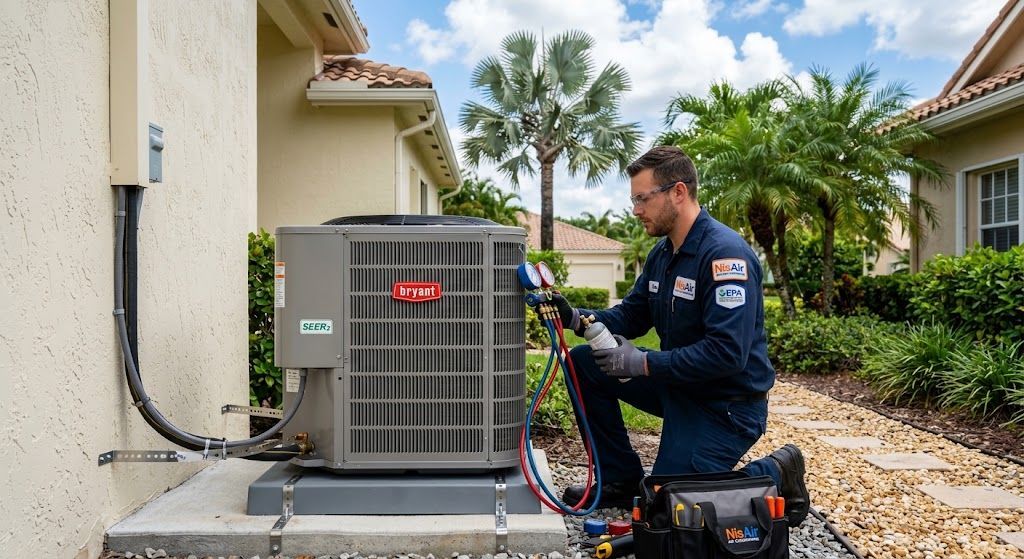
Central air conditioning paired with a heat pump is the most common setup for new homes on the Treasure Coast. This configuration uses a single outdoor unit connected to an indoor air handler that distributes conditioned air through ductwork to every room. It handles both heating and cooling efficiently and integrates easily with whole-home air filtration and dehumidification systems.
Ductless mini-split systems offer an alternative for homes with open floor plans, additions, or spaces where running ductwork is impractical. Each indoor unit operates independently, which means you can set different temperatures in different zones without conditioning empty rooms. The tradeoff is higher upfront cost per zone and visible wall-mounted units that may not suit every design preference.
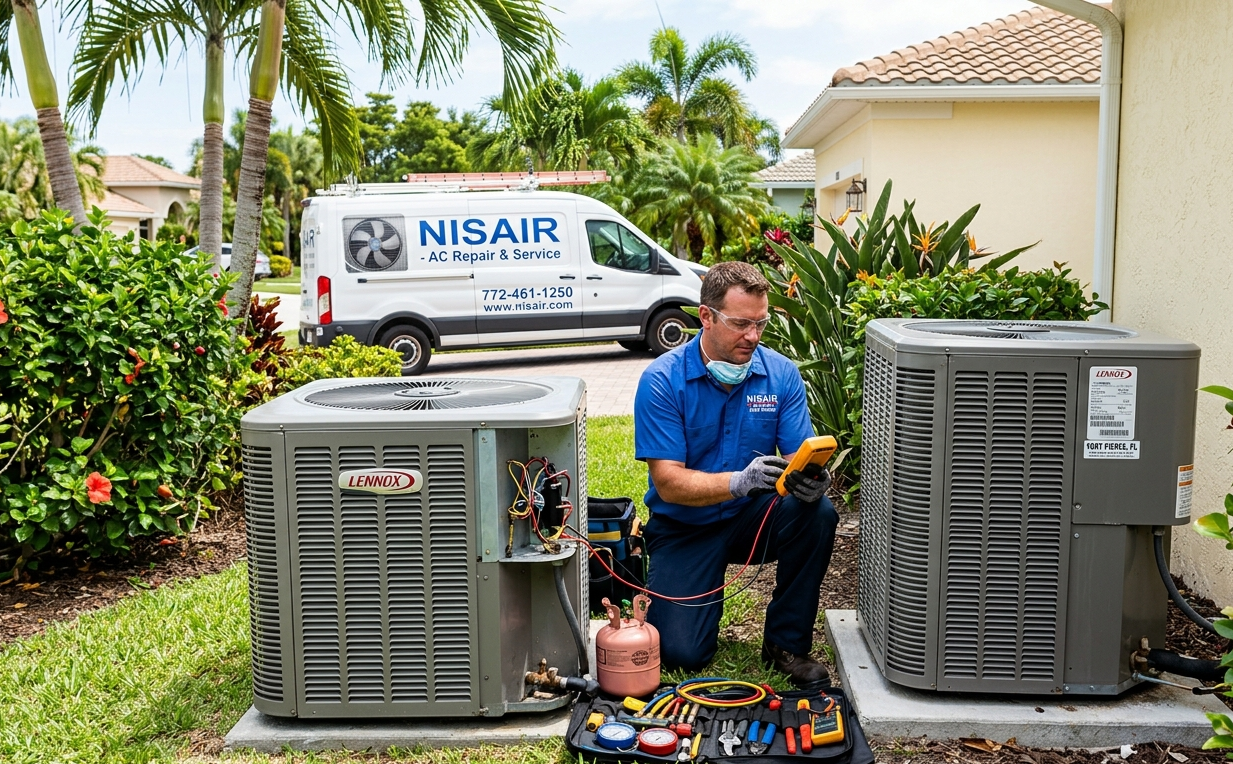
Some new builds combine both approaches. A central system covers the main living areas while a ductless unit handles a detached garage conversion, a bonus room above the garage, or a mother-in-law suite. This hybrid strategy keeps the primary system from being oversized while providing precise comfort in secondary spaces. Nis Air has served the Treasure Coast since 1973, and that depth of local experience helps match the right system to each project.
Sizing and Efficiency Ratings That Matter in Florida Construction
Florida's building code requires minimum SEER2 ratings for new HVAC installations, but meeting the minimum is not the same as optimizing for your climate. Higher-efficiency systems cost more upfront but reduce monthly electricity bills significantly over the life of the equipment, which in Florida's heat can mean meaningful annual savings.
Variable-speed compressors and multi-stage air handlers represent the latest advancement in residential comfort. Unlike single-stage systems that operate at full blast or not at all, variable-speed units adjust output to match real-time demand. This results in quieter operation, more consistent temperatures, and better humidity removal because the system runs longer at lower capacity rather than cycling on and off repeatedly.
Selecting the right equipment also involves planning for future needs. If you plan to add a pool enclosure, screened lanai, or additional living space, the system should have capacity to accommodate those changes without a complete replacement. Discussing future plans with your AC installation team in Vero Beach during the building phase prevents costly retrofits down the road.
Does Vero Beach's Coastal Geography Affect HVAC Equipment Selection?
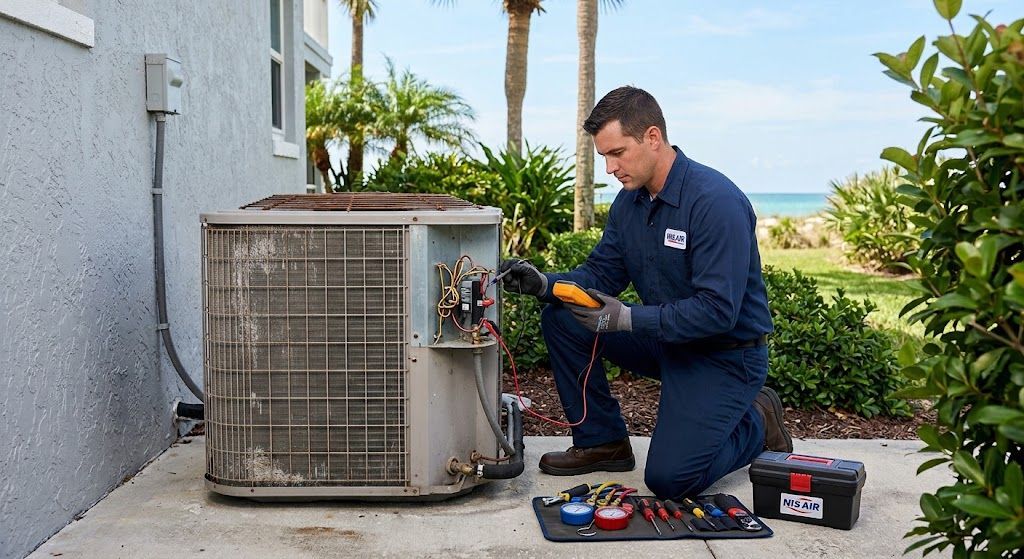
Vero Beach sits directly on the Atlantic coast, and that proximity to saltwater creates specific challenges for outdoor HVAC equipment. Salt-laden air accelerates corrosion on condenser coils, copper refrigerant lines, and electrical contacts. Homes within a few miles of the ocean experience faster deterioration than inland properties.
Manufacturers offer coastal-rated units with enhanced corrosion protection, including coated coils, stainless steel hardware, and sealed electrical compartments. These units cost slightly more but last significantly longer in salt air environments. Placing the outdoor unit on the leeward side of the home, away from direct ocean breezes, also reduces salt exposure and extends equipment life.
Vero Beach's barrier island neighborhoods and waterfront developments face additional considerations including flood zone placement and wind-load requirements for equipment pads. Elevating the outdoor unit and securing it with hurricane-rated brackets protects your investment during storm season. Planning these details during construction is far simpler and less expensive than retrofitting after the home is finished, making early HVAC consultation a critical step in any coastal new build.