Maintaining a comfortable, healthy, and energy-efficient indoor environment is one of the most important responsibilities of homeownership. Heating, ventilation, and air conditioning systems operate quietly behind the scenes to control indoor temperatures, balance humidity levels, and circulate clean air throughout living spaces. However, because these complex mechanical systems work continuously—often under extreme summer heat or unexpected winter chill—they require regular care, precise adjustments, and professional expertise to remain in peak working condition.
Whether you are seeking to reduce high monthly power bills, resolve erratic cooling performance, or protect your family from harmful airborne allergens, investing in professional
HVAC Services provides the comprehensive care needed to keep your home running smoothly. In this detailed guide, we will explore how your HVAC system operates, why preventive maintenance pays off, key indicators that signal the need for professional repairs, and how modern indoor air quality solutions can transform your daily living space.
Understanding the Core Components of Modern HVAC Systems
To appreciate the full scope of system maintenance and care, it helps to understand how the main components of an HVAC unit function together as an interconnected ecosystem.
1. Cooling and Refrigeration Mechanics
Air conditioning systems do not technically generate cold air; instead, they cool your living environment by removing heat and moisture from the indoor air. This process relies on a closed loop of refrigerant circulating between two primary heat exchangers:
- Evaporator Coil: Located inside your air handler or furnace cabinet, the evaporator coil absorbs heat from indoor air as warm air passes over its chilled coils.
- Compressor: Located in the outdoor condensing unit, the compressor pressurizes the warm refrigerant gas, pumping it through the outdoor coils.
- Condenser Coil: Positioned outdoors, the condenser coil releases the captured indoor heat into the exterior environment, allowing the refrigerant to cool back down into a liquid state and repeat the cycle.
2. Heating Systems and Heat Pumps
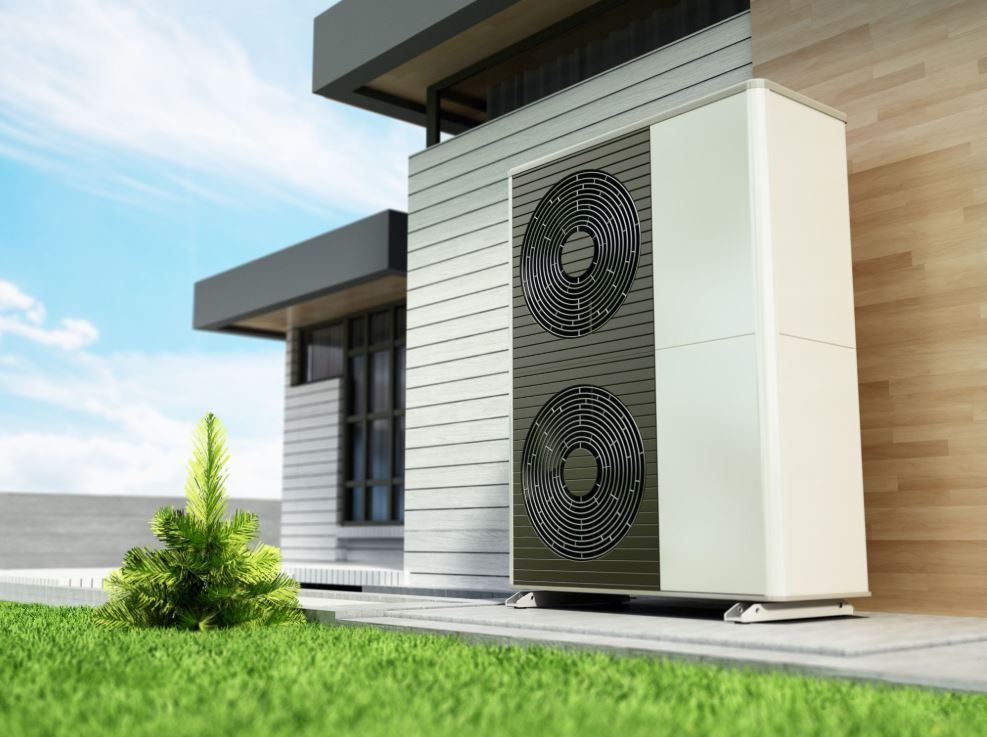
Depending on your geographic location and climate, heating may be supplied by a gas furnace, electric heating coils, or an energy-efficient heat pump. Heat pumps are particularly popular in warmer climates because they operate as reversible air conditioners. During colder months, a reversing valve alters the refrigerant flow, allowing the system to extract ambient heat from the outside air and transfer it into your home.
3. Ventilation and Air Distribution
The ventilation network serves as the lungs of your HVAC system. A network of supply and return ductwork, managed by a high-efficiency blower motor, draws air out of your living areas, filters it, cools or warms it, and then redistributes it evenly across every room in your residence. If ductwork becomes leaked, disconnected, or clogged with debris, system airflow suffers dramatically.
The Value of Regular Preventive Maintenance
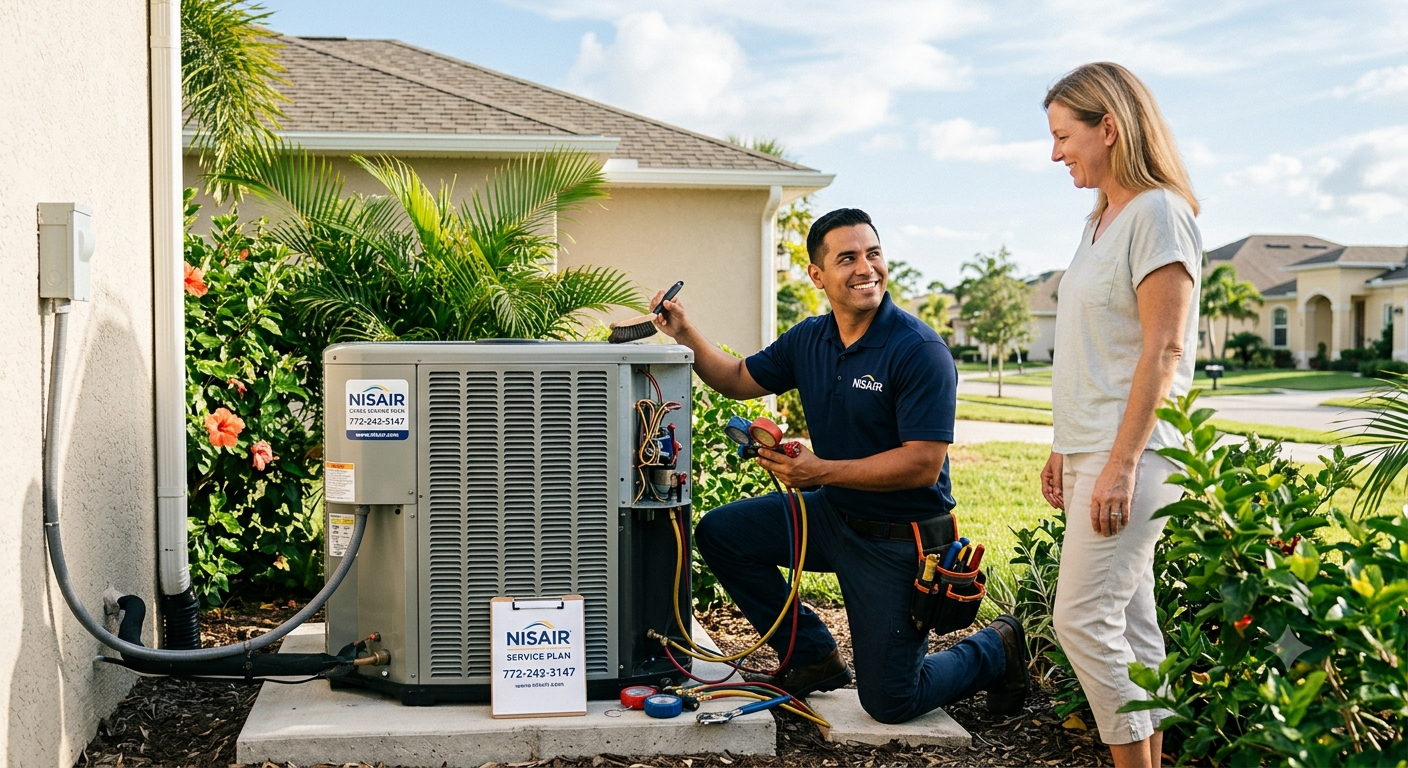
Many homeowners only think about their air conditioner or heater when it stops working on a blistering summer afternoon or a freezing night. However, waiting for an unexpected failure is one of the most expensive ways to manage climate control equipment. Routine preventive maintenance offers several distinct benefits:
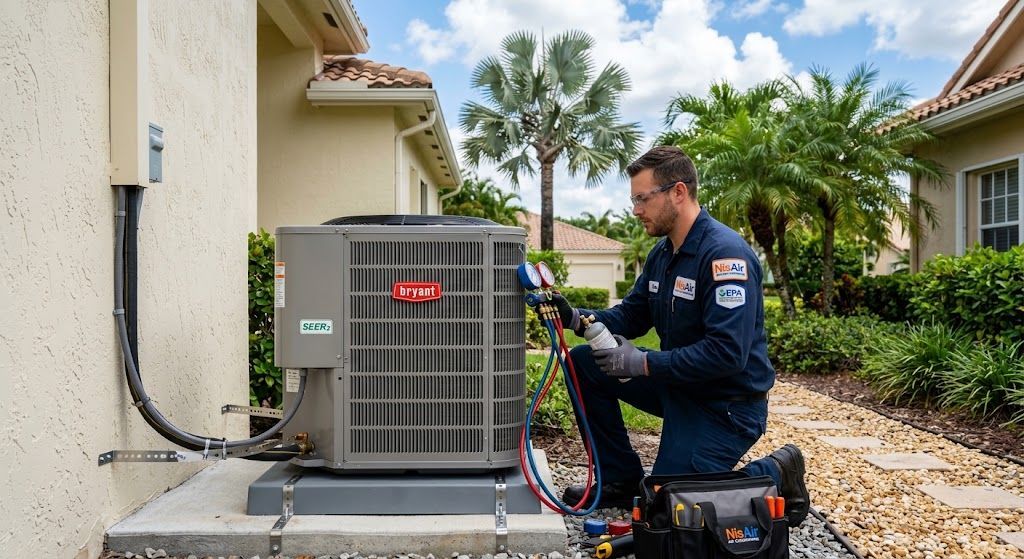
- Lower Monthly Energy Bills: Dust, dirt, and neglected air filters force your system's blower fan and compressor to work much harder to move air. By keeping coils clean, lubricating moving parts, and ensuring proper refrigerant levels, technicians restore optimal operational efficiency, which directly lowers your monthly power consumption.
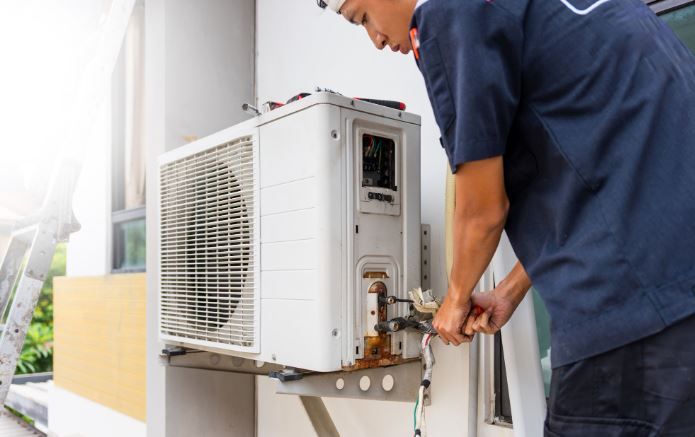
- Extended Equipment Lifespan: An HVAC system represents a major capital investment for any home or business. Regular check-ups prevent premature wear and tear on expensive components like compressors, fan motors, and heat exchangers, extending the overall service life of your system.
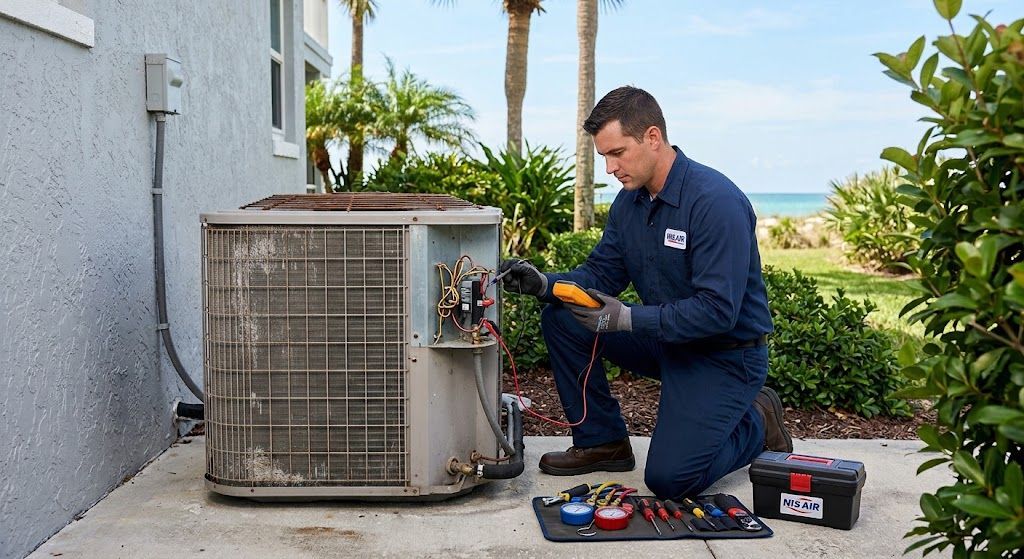
- Prevention of Costly Emergency Repairs: During a routine tune-up, certified technicians inspect electrical connections, measure capacitor ratings, check drain lines, and evaluate system balance. Identifying minor issues early—such as a frayed wire or a slow refrigerant leak—prevents domino-effect failures that lead to expensive emergency breakdowns.
- Preservation of Manufacturer Warranties: Most major HVAC manufacturers require proof of annual or bi-annual professional maintenance to keep equipment warranties valid. If a critical component fails during the warranty period, having a documented service history ensures your claim will be honored.
Warning Signs That Require Professional Repairs
Even well-maintained equipment occasionally encounters mechanical issues over time. Recognizing the early signs of trouble allows you to schedule prompt repairs before minor malfunctions escalate into total system failures.
┌─────────────────────────────────────────────────────────────┐
│ COMMON HVAC WARNING SIGNS │
├─────────────────────────────────────────────────────────────┤
│ 1. Warm air blowing during cooling cycles │
│ 2. Unusually high humidity levels indoors │
│ 3. Frequent system cycling (turning on & off rapidly) │
│ 4. Strange sounds: squealing, grinding, or loud banging │
│ 5. Musty or burning odors coming from air vents │
│ 6. Sudden, unexplained spikes in electric bills │
└─────────────────────────────────────────────────────────────┘
Warm Air or Poor Airflow
If your system is blowing warm air while set to cool, or if airflow from your supply vents feels noticeably weak, several causes could be responsible. Common culprits include frozen evaporator coils, low refrigerant charge, dirty air filters, or a failing blower motor. Continuing to run an air conditioner under these conditions can quickly burn out the compressor.
Strange Noises and Unpleasant Odors
HVAC systems are designed to operate relatively quietly. If you suddenly hear loud grinding, metallic squealing, persistent clicking, or deep rattling, shut down the system immediately. Grinding usually indicates worn-out motor bearings, while squealing suggests a slipping fan belt. Similarly, musty "dirty sock syndrome" smells point to biological growth on the evaporator coil, while burning odors may indicate overheating electrical wires or motor windings.
High Indoor Humidity and Moisture Accumulation
Air conditioning units are naturally equipped to dehumidify indoor air as they cool. If your living spaces feel sticky, humid, or clammy even when the thermostat reports a cold temperature, your system may be oversized, short-cycling, or suffering from reduced refrigeration efficiency. Excess moisture in living spaces encourages mold growth, degrades indoor furniture, and compromises overall breathing quality.
Enhancing Indoor Air Quality and Humidity Control
Indoor air quality (IAQ) plays a vital role in human health, especially considering that most people spend over 80% of their time indoors. Indoor environments often trap high concentrations of dust, pet dander, volatile organic compounds (VOCs), pollen, mold spores, and airborne viruses.
Advanced Filtration Systems
Standard one-inch fiberglass filters are designed primarily to protect internal mechanical components from large debris rather than to clean the air you breathe. Upgrading to high-efficiency MERV (Minimum Efficiency Reporting Value) pleated filters or whole-home electronic air cleaners captures up to 99% of airborne particulates, providing relief for allergy and asthma sufferers.
Whole-Home Dehumidification
In tropical and coastal regions with intense atmospheric moisture, air conditioners alone may struggle to manage indoor humidity during mild, humid days. Dedicated whole-home dehumidifiers integrate directly into your HVAC duct network to pull excess moisture out of the air independently of cooling cycles. This keeps relative humidity consistently within the ideal 40% to 50% range, inhibiting mold development and improving comfort.
UV Germicidal Lights
Ultra-Violet (UV-C) lamps installed directly near the evaporator coil neutralize biological growth, bacteria, and viral pathogens before they can reproduce and circulate through your air ducts. This specialized treatment keeps internal coil surfaces clean and ensures fresh, sanitized airflow throughout your entire home.
Energy Efficiency Upgrades and Choosing the Right Unit
When the time comes to replace an old, inefficient heating or cooling system, choosing the right replacement equipment requires careful consideration of ratings, sizing, and modern technical capabilities.
Understanding SEER2 Ratings
Seasonal Energy Efficiency Ratio 2 (SEER2) is the updated industry standard measuring how efficiently a cooling unit operates over an entire season. Higher SEER2 ratings translate directly to lower electricity consumption. While older systems may operate at 8 to 10 SEER, modern high-efficiency units reach SEER2 ratings of 16 to 20+, cutting cooling energy consumption substantially.
The Importance of Accurate Load Calculations
Installing an HVAC system that is either too large or too small leads to severe operational problems:
- Oversized Systems: Turn on and off rapidly (short-cycling), failing to dehumidify the air properly while causing unnecessary mechanical stress and high energy spikes.
- Undersized Systems: Run continuously without ever reaching the desired setpoint, causing excessive wear and high electric bills.
A professional technician conducts detailed Manual J load calculations, taking into account square footage, insulation levels, window placement, ceiling height, and regional climate conditions to size your new system perfectly.
Partnering with Certified HVAC Professionals
Your home's heating and cooling infrastructure is a sophisticated investment that directly affects your daily comfort, monthly energy costs, and family health. Attempting complex DIY repairs on high-voltage electrical components or pressurized refrigerant lines can lead to serious safety hazards, voided warranties, and costly structural damages.
By establishing a ongoing relationship with experienced, factory-trained technicians, you gain the peace of mind that comes with reliable diagnostic testing, quality replacement parts, and industry-backed workmanship guarantees. Whether you need emergency air conditioning repairs, scheduled seasonal tune-ups, or a complete system replacement, trusting certified experts ensures your equipment operates at peak performance year after year.
When you want top-tier reliability, energy efficiency, and total indoor comfort for your home, scheduling comprehensive
HVAC services with trusted industry leaders guarantees your home stays perfectly conditioned in every season. Protect your investment today by giving your heating and air conditioning systems the care and attention they deserve.