When temperatures rise and ambient humidity climbs, a dependable cooling system isn't just a home luxury—it is an absolute necessity for indoor health, productivity, and basic comfort. Air conditioners are complex electro-mechanical systems that work relentlessly to extract heat and humidity from your indoor living spaces. However, continuous operational stress, environmental wear, and skipped routine maintenance can eventually take a toll on internal components.
Recognizing the subtle warning signs of cooling trouble early can save you hundreds—or even thousands—of dollars in emergency restoration costs. Understanding how your cooling system operates, what common issues arise, and when to call in a certified technician empowers you to maintain a healthy, energy-efficient home year-round.
Early Warning Signs You Need AC Repair
An air conditioning system rarely fails without dropping clues beforehand. Paying attention to sudden changes in performance or strange sounds allows you to address minor mechanical issues before they evolve into complete system failures.
1. Warm Air Blowing from the Vents
If your unit is running but blowing warm or lukewarm air from your supply vents, it indicates a direct breakdown in the cooling process. Common causes include a tripped compressor circuit breaker, severe refrigerant leaks, or a completely clogged air filter restricting heat exchange.
2. Reduced Airflow
A noticeable decrease in the force of air coming through your registers points toward restricted airflow. This can stem from a clogged filter, a failing blower motor, or obstructions within your home's ductwork. Reduced airflow forces your compressor to work twice as hard to maintain target temperatures, leading to accelerated component wear.
3. Frequent Short-Cycling
Air conditioners naturally run in operational cycles to lower humidity and maintain set thermostat temperatures. If your unit turns on, runs for two or three minutes, and abruptly shuts off only to restart moments later, it is short-cycling. This condition places massive strain on the electrical start components and compressor, significantly spiking your monthly energy consumption.
4. Unusual Sounds and Noises
While every HVAC system produces a gentle hum when operating, loud or sudden noises signal mechanical distress:
- Squealing or Screeching: Often points to a worn belt or failing fan motor bearings.
- Grinding or Metal-on-Metal: Typically indicates a damaged motor bearing or motor breakdown.
- Banging or Clanking: Usually signals a loose or broken connecting rod inside the sealed compressor unit.
- Clicking: Frequent clicking upon startup suggests electrical relay issues, a faulty control board, or a failing run capacitor.
5. Excess Moisture and Water Leaks
While your air conditioner naturally produces condensation as it dehumidifies your home, water should always drain safely through dedicated condensate lines. Unexplained pooling water near the indoor air handler or water dripping from ceiling vents indicates a blocked drain line, a cracked condensate pan, or frozen evaporator coils that are actively melting.
The Most Common Causes Behind AC Failure
Understanding why air conditioners break down helps homeowners take proactive steps to safeguard their investment. Most major service disruptions stem from a handful of frequent technical issues:
Refrigerant Leaks and Low Charge
Refrigerant is the vital chemical compound responsible for absorbing heat from inside your home and transferring it outdoors. Because an air conditioner operates in a closed loop, refrigerant is never "used up" like gasoline in a car. If your unit is low on refrigerant, there is a physical leak within the copper lines or evaporator coil. Operating a system with low refrigerant causes ice build-up, inadequate cooling, and severe compressor damage.
Frozen Evaporator Coils
The indoor evaporator coil relies on steady airflow to absorb ambient heat. When dust accumulation blocks the coil or airflow drops due to dirty filters, the coil temperature plunges below freezing. Moisture on the coil turns to solid ice, completely insulating the component and preventing any further heat transfer.
Failing Run and Start Capacitors
Capacitors act as temporary energy storage units that deliver electrical bursts to boost motors during startup and maintain smooth operation. Exposure to extreme summer heat and frequent cycles degrades these capacitors over time. A bulging or dead capacitor will prevent the compressor or fan motor from starting, leading to system shutdown.
Clogged Condensate Drain Lines
As warm, humid indoor air passes across the cold evaporator coil, moisture condenses into water droplets that drain into a pan. In humid environments, algae, fungi, and dust combine within this drain line, creating gelatinous clogs. Modern HVAC setups feature safety float switches that shut the system down completely when water backs up to prevent property flooding.
DIY Troubleshooting vs. Professional AC Repair
Before scheduling a service call, performing a few basic checks can help rule out simple operational glitches:
- Check the Thermostat: Ensure your thermostat is set to "Cool" and the target temperature is set at least 3 to 5 degrees below the current room temperature. Try replacing the thermostat batteries if the display appears dim or unresponsive.
- Inspect the Air Filter: A dirty air filter is the leading cause of airflow bottlenecks and frozen coils. If the filter is covered in visible dust and dander, replace it immediately.
- Verify Electrical Switches: Check your main breaker panel to ensure the circuit controlling the indoor air handler and outdoor condenser hasn't tripped. Also verify that the exterior disconnect switch next to the outdoor unit hasn't been bumped off.
- Clear Exterior Clearance: Inspect the outdoor condenser unit. Ensure at least two feet of clear space around all sides, removing leaves, grass clippings, and debris that restrict coil airflow.
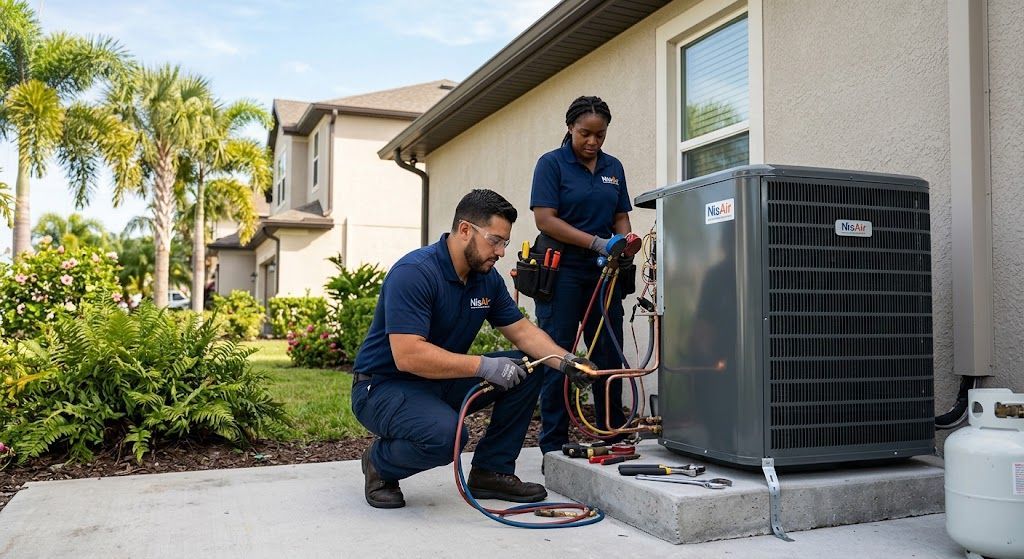
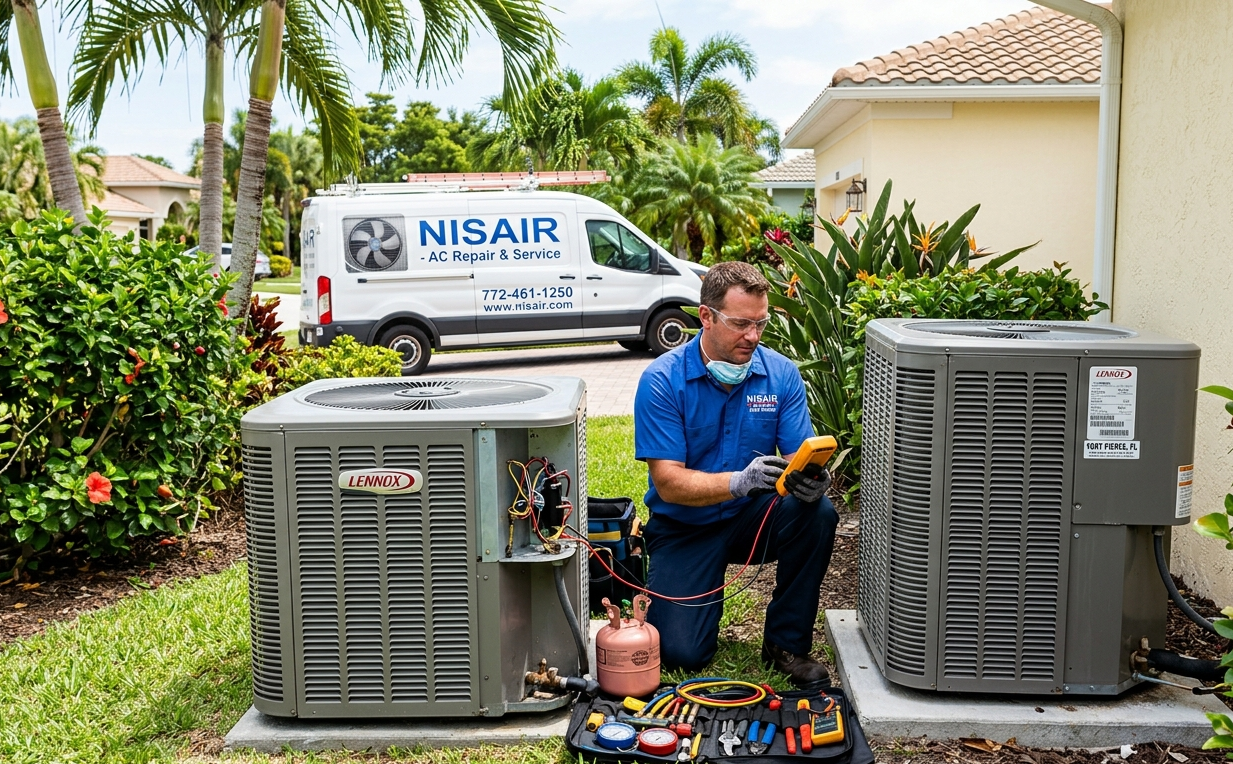
While simple maintenance tasks like swapping filters and clearing surface debris are safe for homeowners, complex system diagnostics require specialized equipment and technical certification. Attempting to handle high-voltage electrical wiring, soldering copper refrigerant lines, or handling chemical refrigerants without proper licensing poses safety risks and can void your manufacturer warranty.
The Role of Preventative Maintenance in Avoiding Emergency Repairs
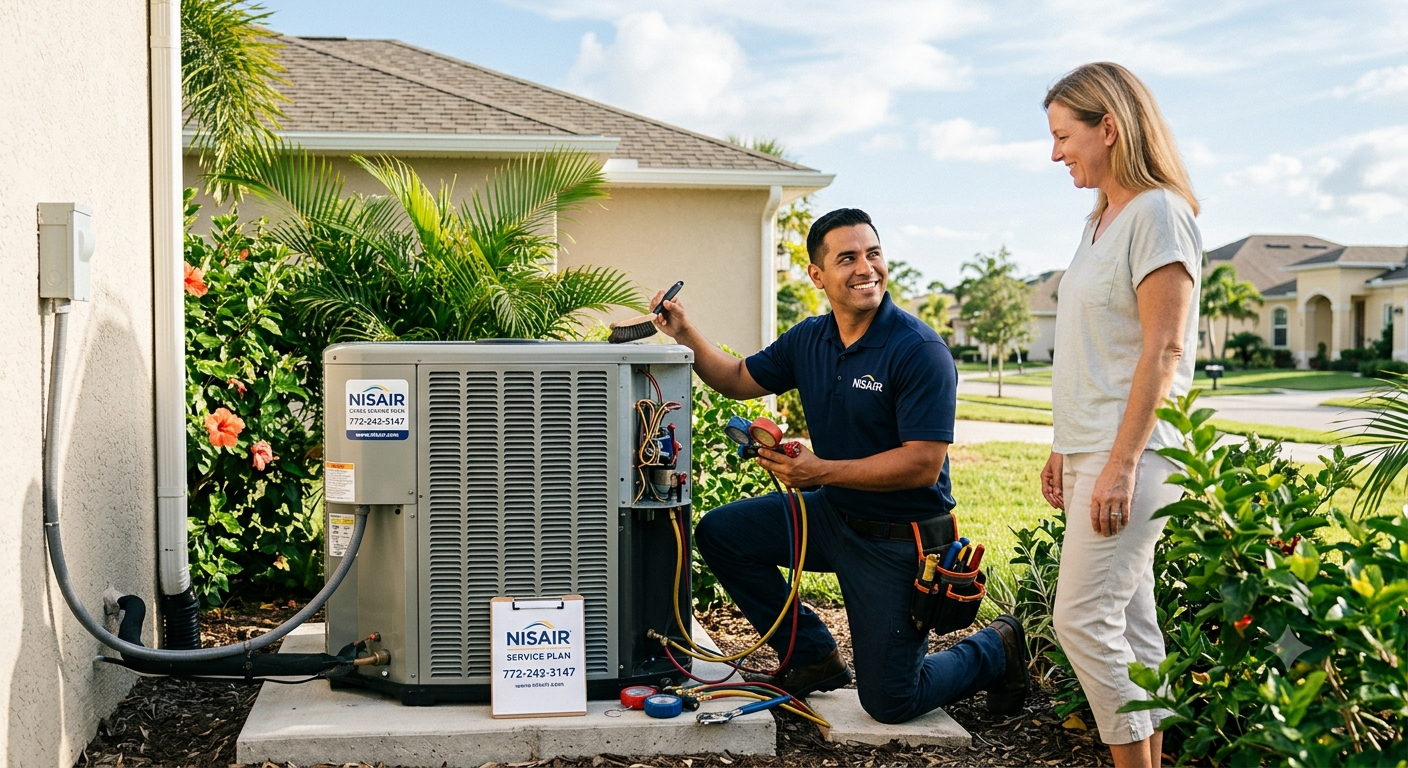
The most effective way to manage repair costs is to prevent mechanical failures before they happen. Enrolling in a routine preventative maintenance plan ensures that key components are cleaned, calibrated, and inspected twice a year.
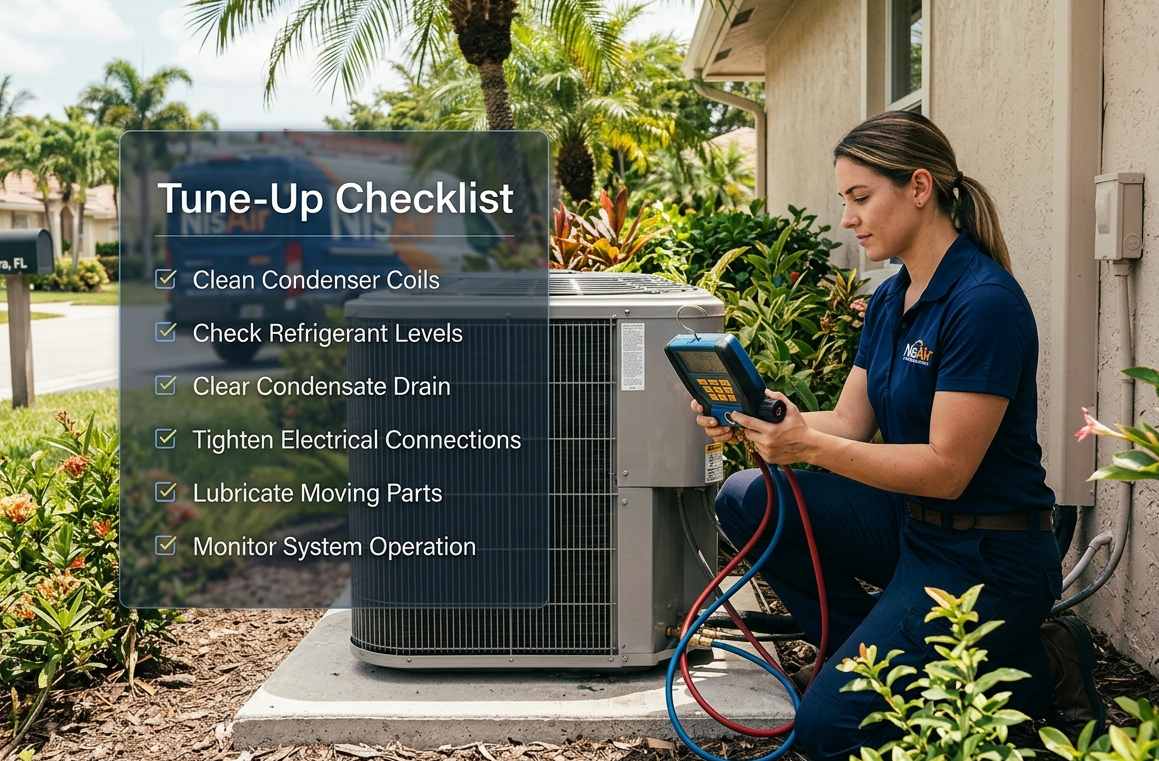
During a professional tune-up, a qualified technician will:
- Clean indoor evaporator and outdoor condenser coils to maximize heat exchange efficiency.
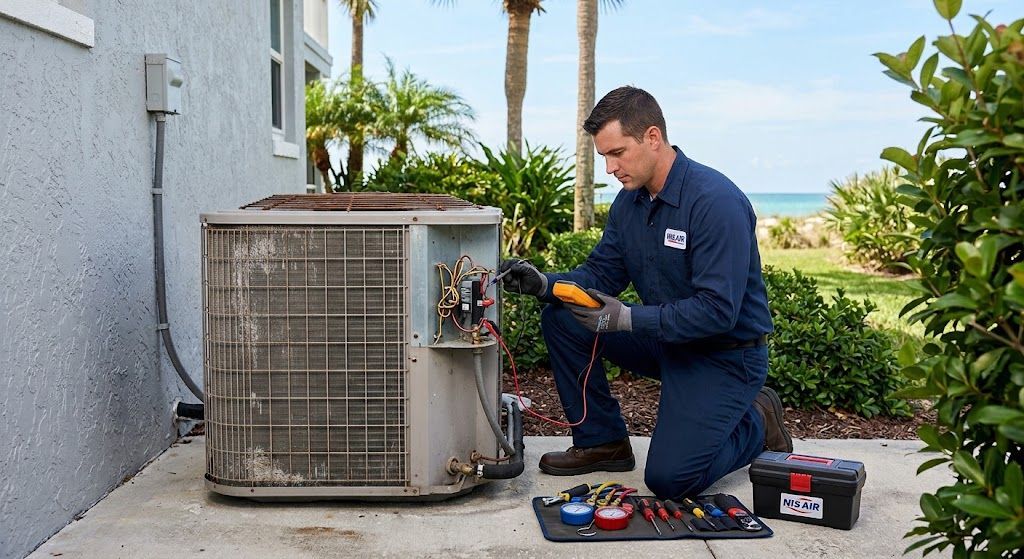
- Measure electrical voltage, current draw, and capacitor health to catch failing electronics.
- Flush and treat condensate drain lines to prevent biological clogs and water damage.
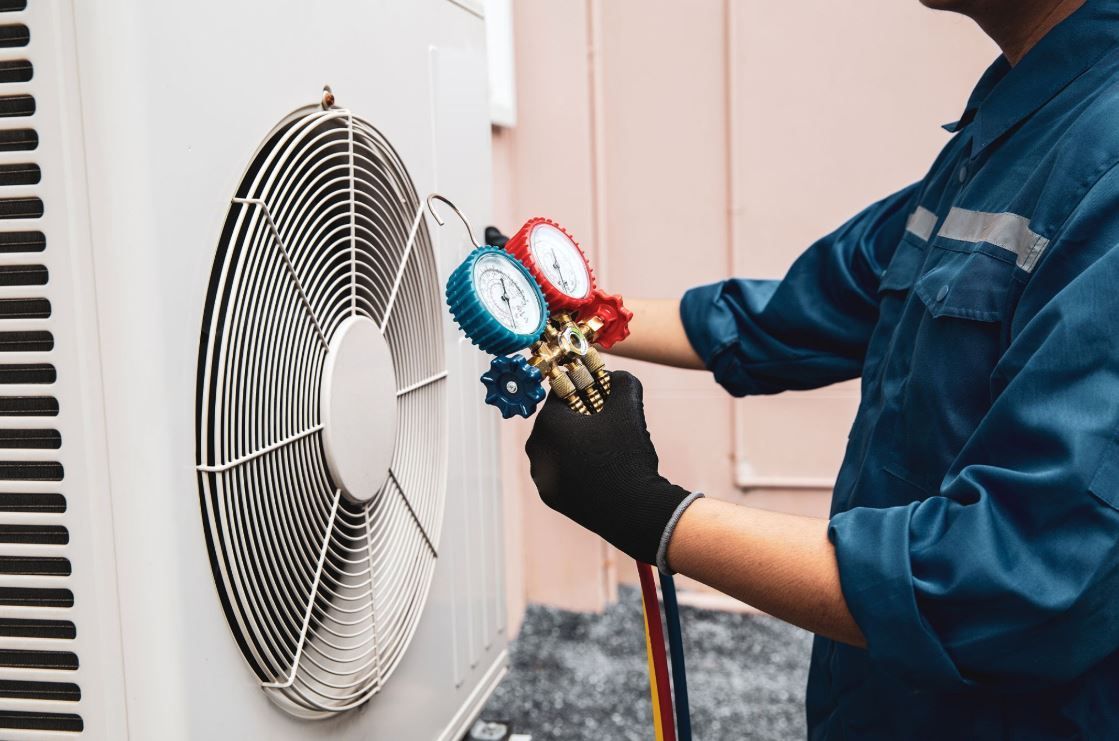
- Test system refrigerant operating pressures and evaluate overall thermal performance.
- Lubricate moving parts and tighten electrical terminal connections.
Regular maintenance preserves energy efficiency, reduces utility bills, improves indoor air quality, and extends the functional lifespan of your cooling equipment by several years.
Partnering with the Right Cooling Experts
When your system struggles to keep up with intense summer temperatures, working with an experienced, locally trusted HVAC provider makes all the difference. You want a team equipped with modern diagnostic tools, NATE-certified technicians, and a reputation built on honest, transparent communication.
Whether you are managing sudden performance drops, strange operational noises, or seeking seasonal system optimization, taking swift action protects your home's structural comfort and peace of mind. For reliable cooling performance and comprehensive maintenance options, leaning on professional
AC Repair solutions ensures your equipment stays energy-efficient and ready to handle even the hottest days.
Investing in proactive system care, addressing minor warning signs early, and choosing experienced local technicians will keep your indoor sanctuary cool, comfortable, and efficient all year long.