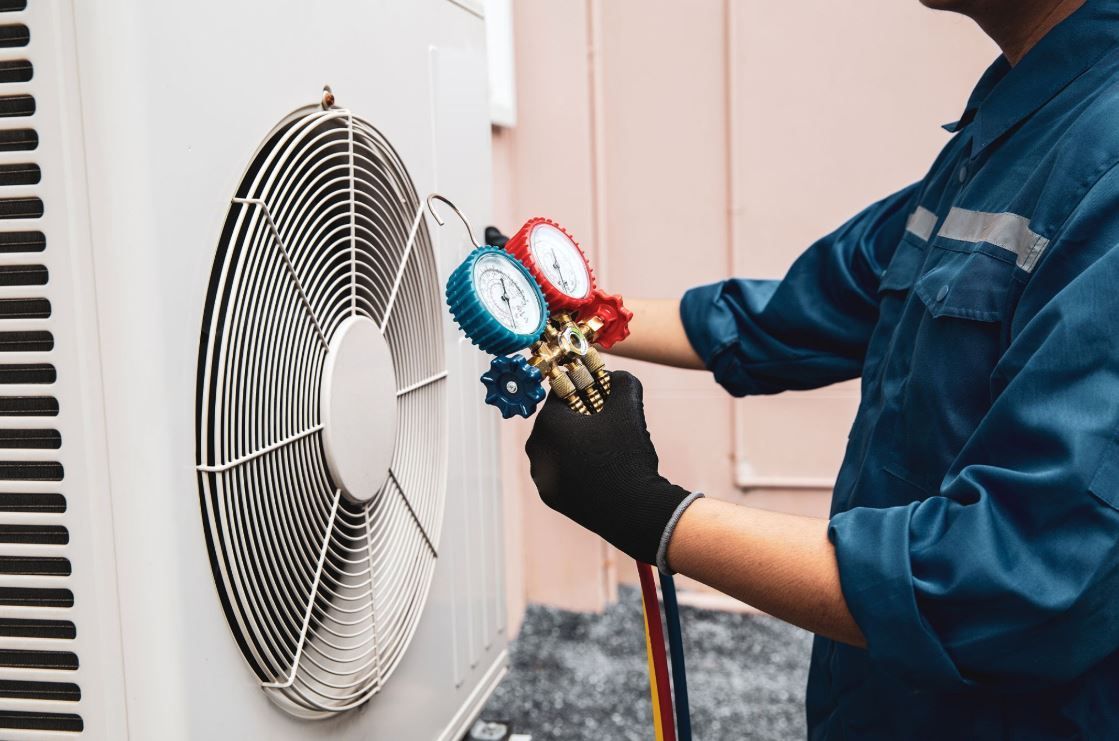
When winter temperatures drop, your home’s heating system becomes your absolute most important appliance. We rarely think about our furnace or heat pump when it's working perfectly, but the moment it starts blowing cool air or making strange noises, it becomes an immediate priority.
If you are constantly calling for repairs or noticing your monthly energy bills spike, you might be facing a classic homeowner dilemma: should you repair your existing system one more time, or is it time to invest in a complete system upgrade?
Investing in a new heating system is a major decision. This comprehensive guide breaks down everything you need to know about heating replacement and installation—from recognizing the warning signs of failure to choosing the right system and maximizing your long-term energy savings.
5 Warning Signs Your Heating System Needs Replacement
Heating systems don’t always break down suddenly. More often, they give off subtle warning signs over months or even years. Catching these signs early lets you plan a replacement on your own timeline instead of dealing with an emergency breakdown in the middle of a freezing night.
1. The System is More Than 15 Years Old
The average lifespan of a well-maintained furnace or heat pump is between 15 and 20 years. Even if a 18-year-old system is still technically running, it is operating at a fraction of the efficiency of a modern unit. If your system has crossed the 15-year threshold, it is time to start planning for an upgrade.
2. Skyrocketing Energy Bills
Have your heating costs steadily climbed over the past few winters, even though your heating habits haven’t changed? As mechanical components wear down, your system has to work twice as hard and run much longer to reach the temperature set on your thermostat. This extra workload translates directly to higher utility bills.
3. Frequent and Costly Repairs
An occasional repair is normal, but if you have your local HVAC technician on speed dial, the costs are adding up. A good rule of thumb is the
50% Rule: if the cost of an upcoming repair is more than 50% of the value of a brand-new heating system, replacing the unit is the smarter financial decision.
4. Strange Noises and Unusual Smells
Your heating system should operate with a relatively quiet, predictable hum. Rattling, buzzing, screeching, or banging noises indicate loose components, failing motors, or a cracked heat exchanger. Similarly, persistent burning smells or musty odors mean the system is struggling internally.
5. Uneven Heating and Poor Air Quality
If your living room feels like a sauna while your bedroom feels like an icebox, your heating system is struggling to distribute air effectively. Additionally, older units tend to dry out the air and redistribute dust, dander, and allergens throughout your home, leading to poor indoor air quality.
Repair vs. Replace: Making the Right Financial Choice
Choosing whether to fix your current unit or buy a new one comes down to a balance of immediate costs versus long-term savings.
While a repair keeps money in your pocket today, an old, inefficient system will continue to drain your wallet every single month through high utility bills and inevitable future breakdowns. Modern heating systems offer vastly superior
AFUE (Annual Fuel Utilization Efficiency) ratings. An older system might have an AFUE rating of 65% to 70% (meaning 30% to 35% of the fuel energy is completely wasted), whereas a modern energy-efficient furnace can achieve ratings as high as 95% to 98%.
To see how much a modern, highly efficient upgrade could save you compared to keeping an older system running, use the calculator below to evaluate your potential return on investment.
Choosing the Right System: Furnaces vs. Heat Pumps
When moving forward with a heating system installation, you have two primary options for residential properties: a traditional furnace or a modern heat pump. The right choice depends on your local climate, your existing infrastructure, and your energy goals.
Gas and Electric Furnaces
Furnaces are forced-air heating systems that generate heat by burning fuel (natural gas or propane) or using electric heating elements, then distributing that warm air through your ductwork.
- Best For: Regions with prolonged, deeply freezing winter temperatures.
- Pros: Provides incredibly fast, powerful heat; highly dependable in extreme cold; long equipment lifespan.
- Cons: Requires gas line infrastructure (for gas models); lower maximum efficiency compared to heat pumps.
High-Efficiency Heat Pumps
Unlike furnaces, heat pumps do not create heat. Instead, they use electricity and refrigerant to extract ambient heat from the outside air (even in cold weather) and transfer it indoors. In the summer, the process reverses to cool your home.
- Best For: Mild to moderate climates, or homes looking for a combined heating and cooling solution.
- Pros: Incredibly energy-efficient; provides both heating and air conditioning; lowers your overall carbon footprint.
- Cons: Can lose efficiency in sustained sub-zero temperatures without an auxiliary heat strip backup.
Why Professional Sizing Matters (The Hidden Danger of DIY)
One of the biggest mistakes a homeowner can make is buying a heating system based solely on a guess or matching the exact size of their old system.
HVAC professionals use a comprehensive calculation called a
Manual J Load Calculation to determine the precise heating requirements of your home. This calculation takes into account your home's total square footage, ceiling heights, insulation quality, window types, local climate, and even the direction your house faces.
If your system is incorrectly sized, you will face major operational issues:
- Over-Sized Systems: If a system is too large, it will heat your home too quickly and shut off. This constant starting and stopping is called short-cycling. It places extreme wear and tear on the electrical components and prevents the system from properly regulating humidity.
- Under-Sized Systems: If a system is too small, it will run continuously without ever reaching your target thermostat setting. This burns an excessive amount of energy and burns out the blower motor prematurely.
What to Expect During Your Heating Installation Day
A professional heating system installation is a complex mechanical process that typically takes anywhere from 4 to 8 hours to complete. Knowing what to expect helps you prepare your home for a smooth installation day.
- Site Preparation: Technicians will lay down drop cloths and protective floor coverings to keep your home clean. They will clear a safe workspace around your old heating unit.
- System Decommissioning: The installation team safely disconnects all electrical lines, gas lines, and venting systems before removing the old, heavy equipment.
- Infrastructure Inspection: Before dropping the new unit into place, the team inspects your existing ductwork, electrical panel, and gas lines to ensure they can safely handle the new equipment.
- The Installation: The new furnace or heat pump is securely positioned, leveled, and connected to your ductwork, electrical system, and thermostat lines.
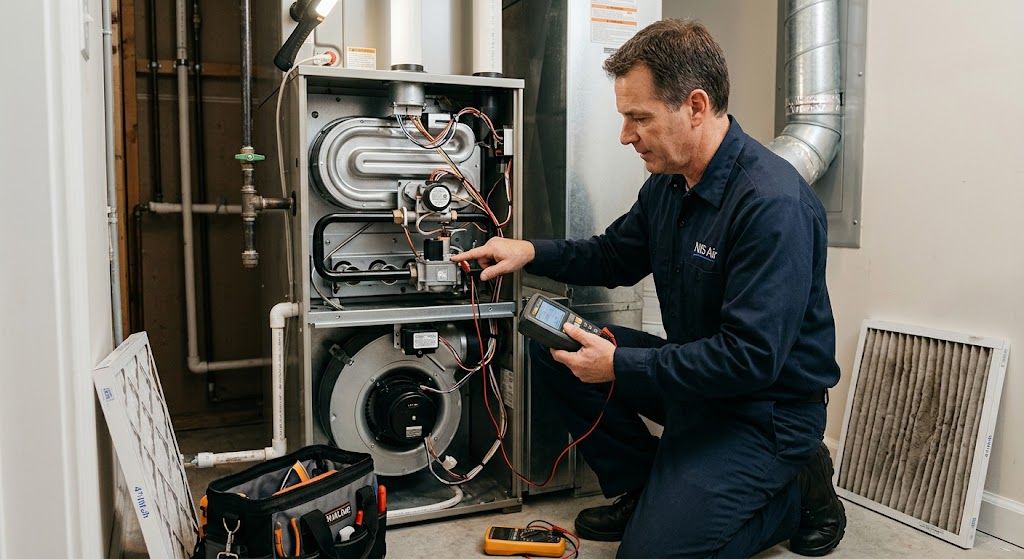
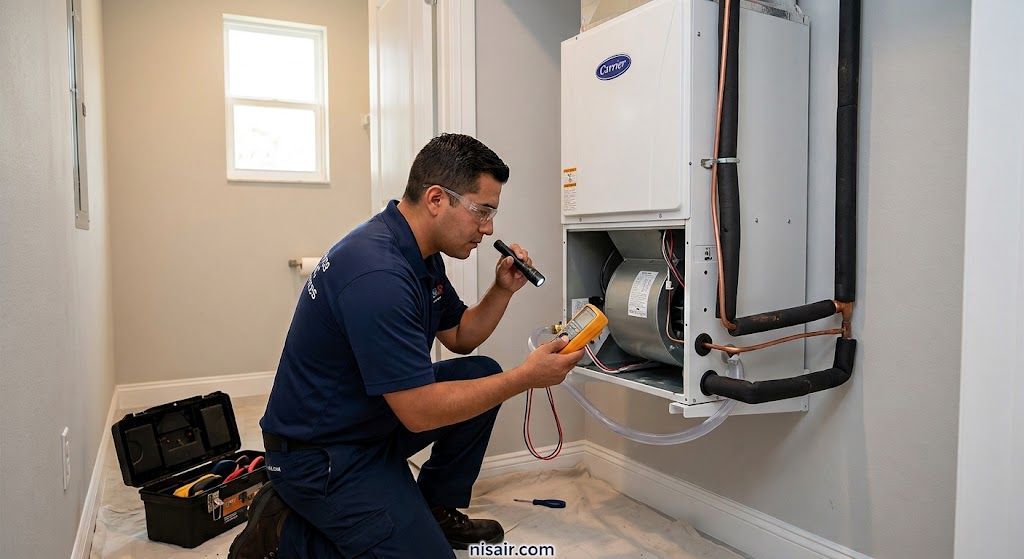
- System Testing & Calibration: Once installed, the technicians perform a detailed start-up checklist. They measure static pressure, test for gas leaks, check airflow rates, and calibrate your thermostat to ensure peak performance.
Maximize Comfort and Efficiency with Professional Support
Upgrading your home's heating infrastructure is one of the most impactful investments you can make for your property's value, indoor air quality, and monthly utility expenses. Modern systems deliver consistent, reliable warmth while consuming a fraction of the energy required by systems built just a decade ago.
To ensure your investment delivers peak performance and remains fully protected by manufacturer warranties, you need an experienced, certified team to manage the complex sizing, calibration, and installation steps. If you are ready to eliminate winter drafts and lower your energy costs, contact the local experts at NIS Air to schedule your comprehensive
heating replacement and installation service today. Our friendly technicians will evaluate your home’s unique heating profile and guide you toward the perfect system for your budget and lifestyle.