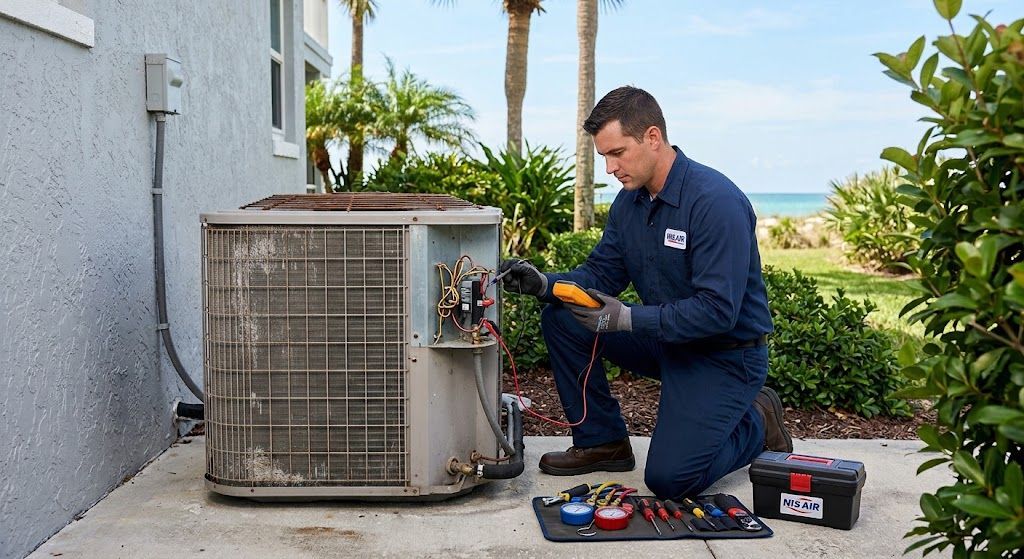
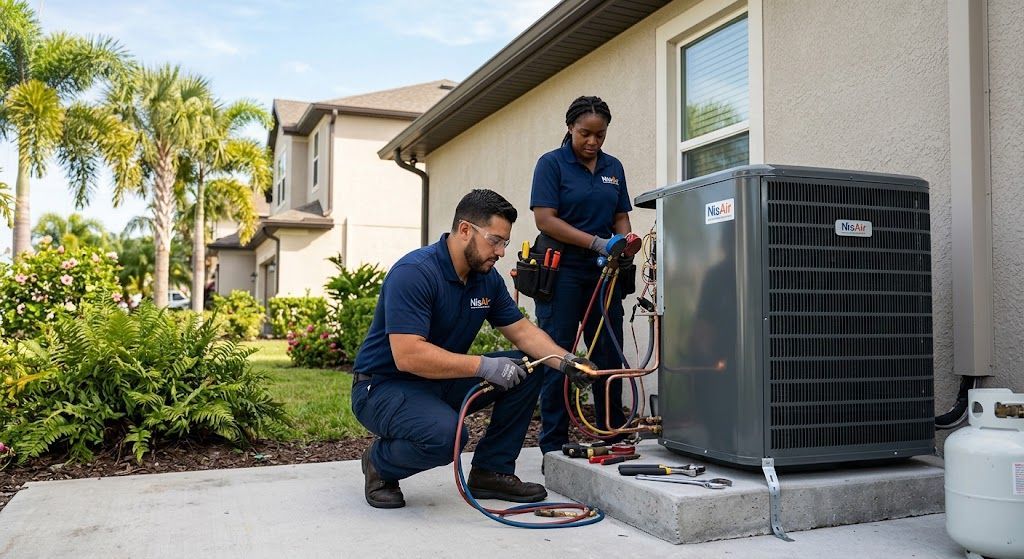
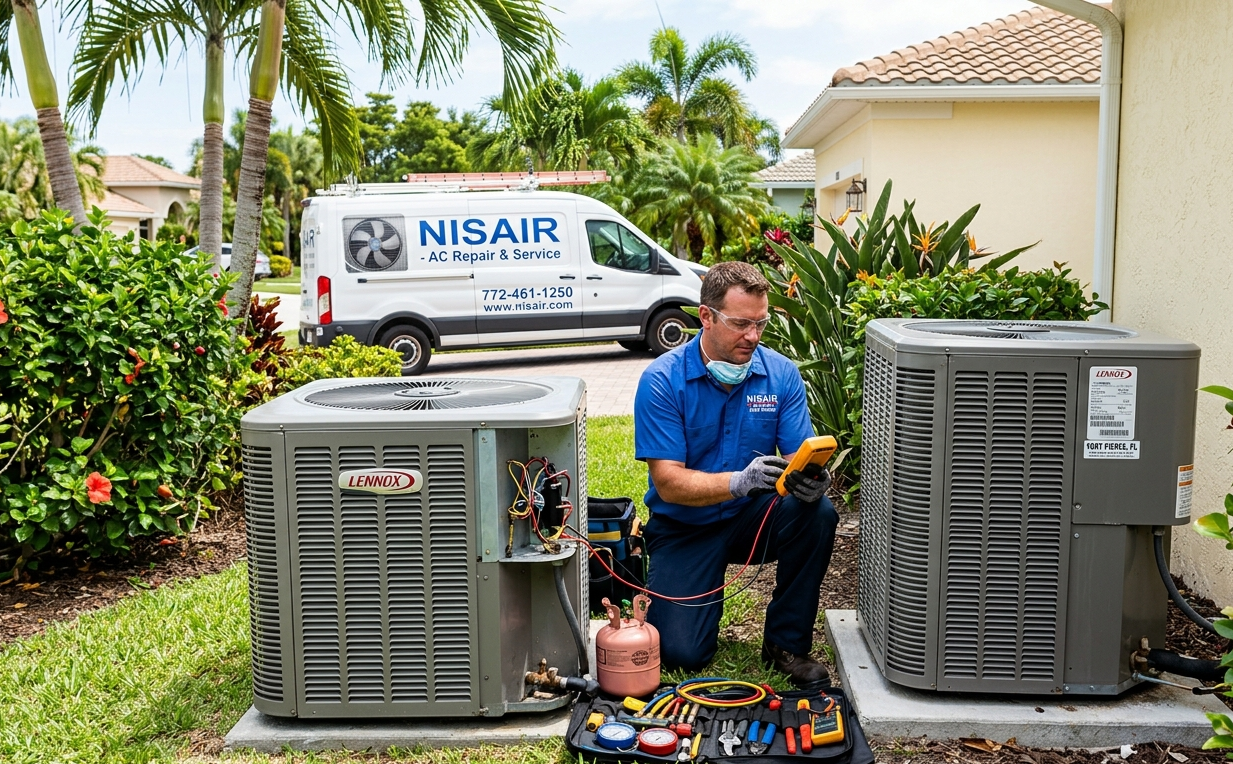
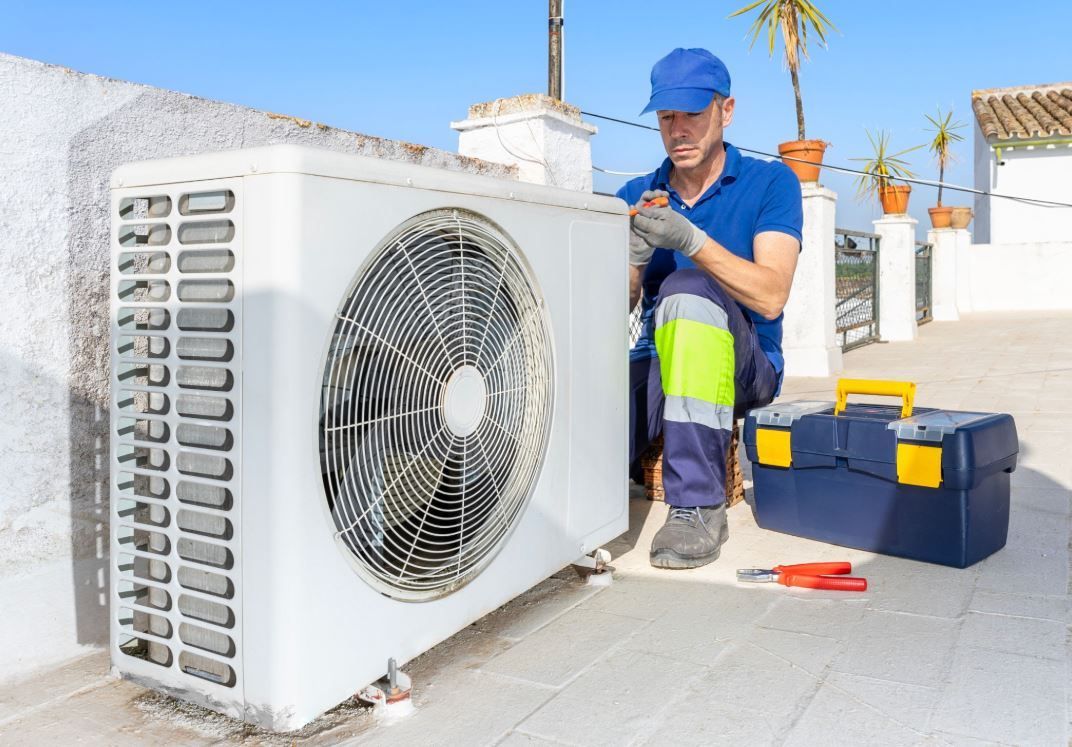
A reliable air conditioning system is not a luxury—it is an absolute necessity. When summer temperatures spike, your home should be a sanctuary of cool, refreshing air. However, achieving optimal indoor comfort requires more than just buying a high-end air conditioning unit. The performance, efficiency, and lifespan of your cooling system depend heavily on how it is installed.
Investing in professional AC installation ensures that your system operates at peak performance from day one, keeping your energy bills low and your indoor air quality high. Whether you are building a new home, upgrading an outdated system, or replacing a broken unit, understanding the intricacies of the installation process can help you make informed decisions for your household comfort.
Signs It Is Time to Replace Your Old Air Conditioner
Before diving into the installation process, it is important to recognize when your existing system is nearing the end of its lifespan. Many homeowners try to squeeze every last drop of life out of an old unit, unknowingly spending more on utilities and repairs than they would on a brand-new, energy-efficient system.
Consider upgrading your cooling system if you notice the following warning signs:
- Age of the System: Most central air conditioners last between 10 to 15 years. If your unit is approaching or has passed this mark, its efficiency is likely declining rapidly.
- Frequent and Costly Repairs: If you find yourself calling an HVAC technician multiple times a summer, those repair bills add up. A good rule of thumb is the "5,000 rule": multiply the age of the equipment by the repair cost. If the result exceeds $5,000, replacement is the smarter financial choice.
- Spiking Energy Bills: Have your monthly utility bills steadily climbed despite your usage habits staying the same? Older systems must work harder to cool your home, consuming significantly more electricity.
- Inconsistent Temperatures: If some rooms feel like an icebox while others remain humid and warm, your AC is struggling to distribute air evenly or its compressor is failing.
- R-22 Refrigerant Usage: Older units that rely on R-22 Freon are becoming obsolete due to environmental regulations. Sourcing this refrigerant for repairs has become incredibly expensive, making a system replacement much more economical.
The Importance of Correct System Sizing
One of the most critical steps in the AC installation process occurs before a single tool is lifted: load calculation. A common misconception is that a bigger air conditioner is always better. In reality, an oversized system can cause just as many problems as an undersized one.
If an AC unit is too large for your home, it will experience a phenomenon known as "short-cycling." It will turn on, rapidly cool the house, and shut off before completing a full cycle. This prevents the system from running long enough to properly dehumidify the air, leaving your home feeling clammy and sticky. Furthermore, frequent turning on and off causes severe wear and tear on the compressor, leading to premature system failure.
Conversely, an undersized unit will run continuously as it struggles to meet the temperature set on your thermostat. This constant operation skyrockets your electricity bills and places immense stress on the internal components, causing the system to burn out early.
Professional HVAC technicians perform Manual J load calculations, taking into account factors such as your home’s square footage, insulation quality, window placement, ceiling height, and local climate. This ensures you get a perfectly sized system tailored to your specific environment.
The Step-by-Step Professional AC Installation Process
A professional air conditioning installation is a complex process that requires specialized knowledge, tools, and adherence to local building codes. Here is what you can expect during a standard residential installation:
1. Evaluation and Preparation
Technicians assess your existing setup, including the condition of your ductwork. If your ducts are leaky, clogged, or disconnected, installing a new AC will not yield the expected efficiency. Technicians will seal or repair ducts as needed before installing the new equipment.
2. Safe Removal of the Old Unit
The old indoor and outdoor units must be carefully disconnected. Technicians safely recover and dispose of old refrigerant according to strict environmental guidelines. The old equipment is then hauled away for proper recycling.
3. Preparing the Installation Site
For the outdoor condenser unit, a level concrete or composite pad is poured or positioned. This keeps the unit stable and prevents ground moisture from rusting the base. Indoors, the area housing the evaporator coil and air handler is cleaned and prepped.
4. Positioning and Connecting Components
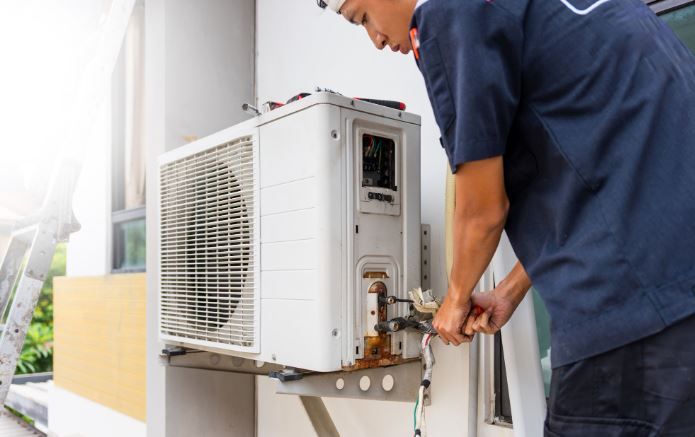
The new indoor and outdoor components are securely mounted. The technicians then connect the copper refrigerant lines, which must be perfectly soldered and insulated to prevent leaks and thermal loss.
5. Electrical and Control Wiring
High-voltage power lines and low-voltage thermostat wires are connected to the new system. This step requires precise electrical work to ensure safety and prevent electrical shorts.
6. System Evacuation and Charging
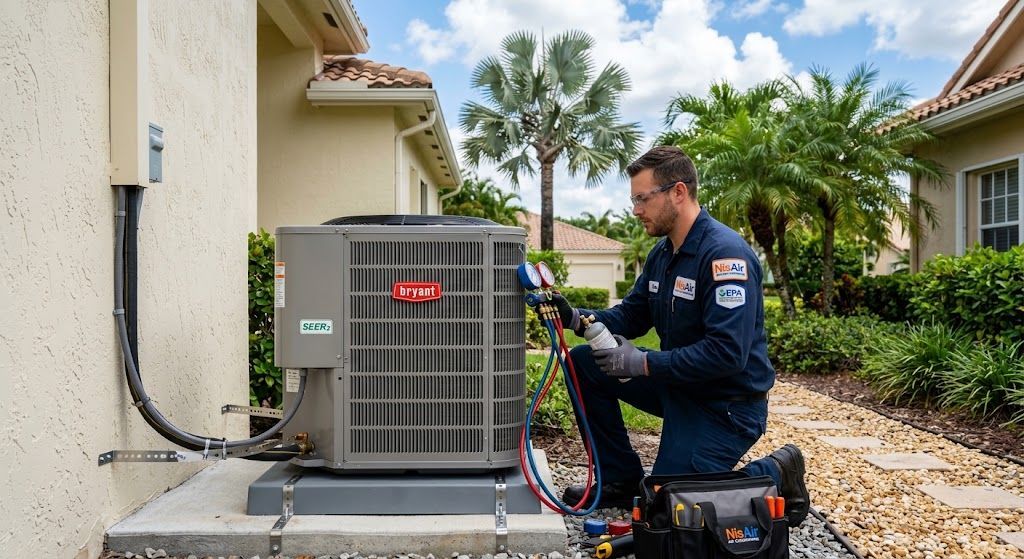
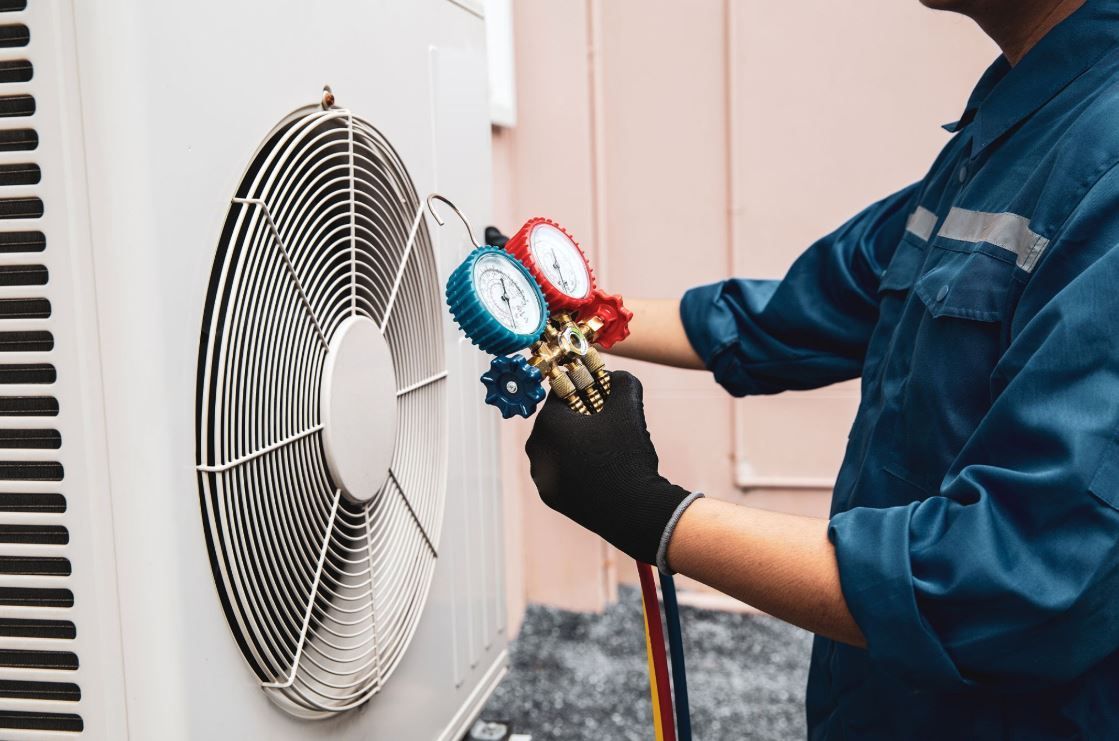
Before introducing refrigerant, technicians use a vacuum pump to remove all air and moisture from the lines. Once a deep vacuum is achieved, the correct amount of refrigerant is charged into the system based on manufacturer specifications.
7. Final Testing and Calibration
The system is powered on, and technicians measure airflow, check system pressures, test safety controls, and verify that the thermostat is communicating correctly with the unit.
Long-Term Benefits of Modern Energy-Efficient AC Units
Upgrading to a modern air conditioner brings an array of immediate and long-term advantages to your household:
- Substantial Energy Savings: Modern air conditioners feature significantly higher SEER2 (Seasonal Energy Efficiency Ratio) ratings compared to units built a decade ago. Upgrading can slash your cooling energy consumption by up to 20% to 40%.
- Enhanced Indoor Air Quality: New systems boast superior filtration options and advanced humidity control, reducing indoor allergens, dust, and mold spores.
- Quieter Operation: Thanks to sound-dampening technology, variable-speed compressors, and redesigned fan blades, modern outdoor condensers operate at a fraction of the noise volume of older models.
- Eco-Friendly Performance: New systems utilize environmentally safer refrigerants that do not deplete the ozone layer.
- Peace of Mind: A brand-new system comes backed by comprehensive manufacturer warranties, protecting you from unexpected repair bills for years to come.
Protect Your Investment with Ongoing Maintenance
Once your new air conditioning system is seamlessly installed, the best way to preserve its efficiency and longevity is through routine preventative maintenance. Just like a car, an HVAC system requires regular tune-ups to perform optimally.
Schedule a professional maintenance check at least once a year, preferably in the spring before the heavy cooling season begins. During a tune-up, a technician will clean the coils, check refrigerant levels, inspect electrical connections, and clear the condensate drain line. Between professional visits, remember to check and replace your indoor air filters every 30 to 90 days. Keeping filters clean ensures unrestricted airflow, reducing strain on your new system and maintaining pristine indoor air.
Choose Professional Experts for Your Home Comfort
Attempting a DIY air conditioning installation or hiring an uncertified handyman can result in voided manufacturer warranties, poor energy efficiency, code violations, and frequent system breakdowns. To guarantee your system is configured for maximum performance and longevity, it is essential to rely on certified technicians who possess the correct licensing, specialized equipment, and industry expertise.
If you are ready to upgrade your home’s cooling efficiency and enjoy dependable comfort all summer long, contact the experts today for a seamless, professional
AC installation tailored to your budget and home layout. Safely configuring your system from the start saves you money, cuts down on future repair costs, and provides total peace of mind for your family.