When to Consider AC Installation in Fort Pierce, FL for Better Efficiency

Nis Air • January 19, 2026

When to Consider AC Installation in Fort Pierce, FL for Better Efficiency

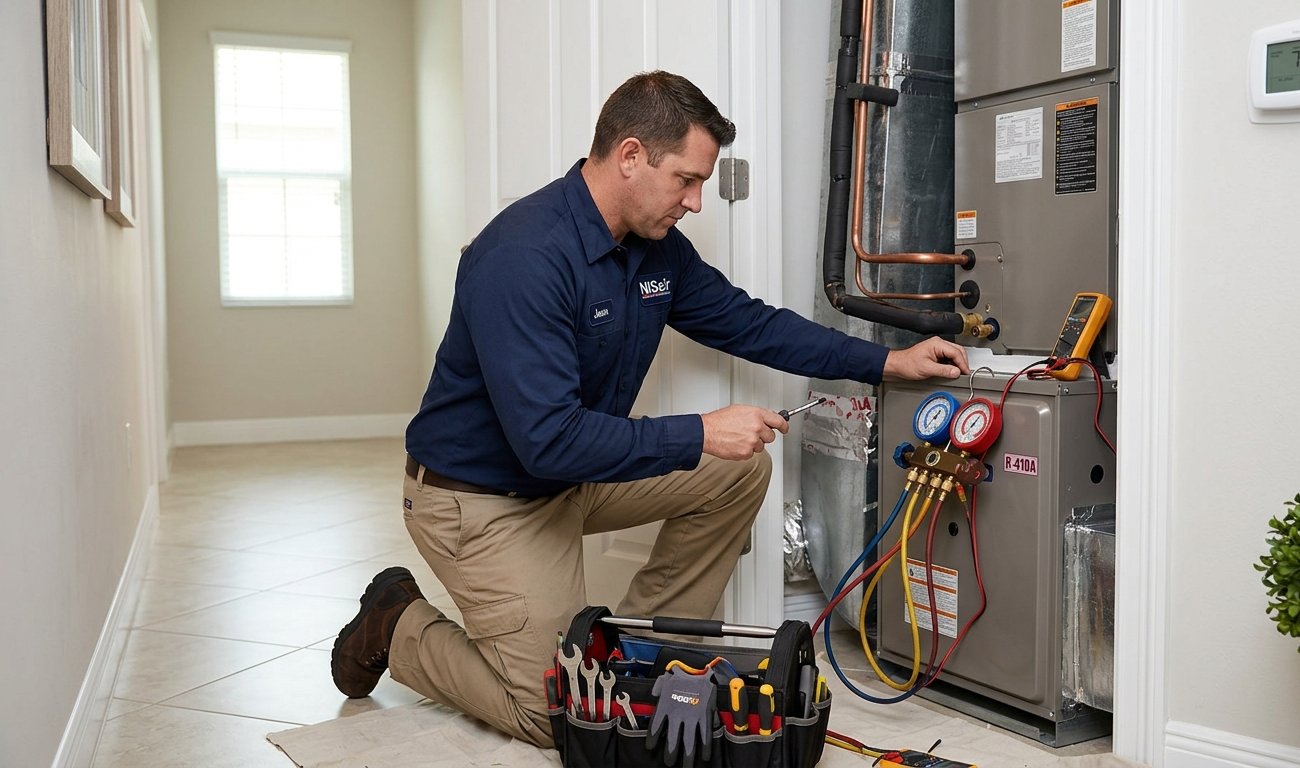
AC installation in Fort Pierce, FL becomes necessary when your system is over 15 years old, requires frequent repairs, or drives up energy costs with declining performance.

How Do You Know Your AC Needs Replacement?

Signs include rising energy bills, uneven cooling, frequent breakdowns, and systems that are more than 12 to 15 years old.

Older units lose efficiency as components wear out, forcing them to run longer to achieve the same cooling. If you're calling for repairs more than once a year, the cumulative cost often exceeds the value of a new system. Uneven temperatures between rooms suggest your AC can no longer distribute air effectively.

Refrigerant type also matters. Units using R-22 refrigerant, which is being phased out, face expensive refills and limited repair options. Upgrading to a newer system with modern refrigerants saves money and improves reliability.

What Are the Benefits of Modern AC Systems?

New systems offer improved energy efficiency, quieter operation, better humidity control, and advanced features like programmable thermostats and air quality enhancements.

Today's units use variable-speed compressors that adjust cooling output to match demand, reducing energy waste and maintaining more consistent temperatures. Many models come with smart thermostats that learn your schedule and optimize settings automatically. Enhanced filtration systems remove allergens and pollutants more effectively than older designs.

Quieter fans and compressors mean less noise both indoors and outdoors. Warranties on new installations provide peace of mind and protection against unexpected repair costs in the early years.

Residents near Fort Pierce can explore AC maintenance services in Fort Pierce, FL to maximize the lifespan of their new system after installation.

What Should You Look for When Choosing a New System?

Focus on proper sizing, SEER rating, warranty coverage, and compatibility with your home's ductwork and electrical capacity.

An undersized unit will run constantly without cooling adequately, while an oversized system cycles on and off too frequently, wasting energy and increasing wear. Professional load calculations ensure the right capacity for your square footage, insulation, and window placement. SEER ratings indicate efficiency; higher numbers mean lower operating costs over the system's life.

Check warranty terms for both parts and labor. Consider features like two-stage cooling, dehumidification modes, and zoning options if you have specific comfort needs. A reputable installer will assess your existing ducts and electrical panel to confirm compatibility before installation begins.

How Does Fort Pierce's Climate Influence AC Selection?

Fort Pierce's long cooling season and high humidity require systems with strong dehumidification capabilities and durable components designed for continuous operation.

Units in this region run nearly year-round, so durability and efficiency are more important than in climates with distinct seasons. High humidity levels demand systems that can remove moisture without overcooling, which improves comfort and prevents mold growth. Coastal proximity means selecting corrosion-resistant coatings and materials to withstand salt air.

Local installers understand these needs and can recommend models engineered for Florida's demands. They also know local building codes and permitting requirements that apply to new installations.

For homeowners experiencing frequent issues, timely AC repair services in Fort Pierce, FL can bridge the gap until a full replacement makes sense.

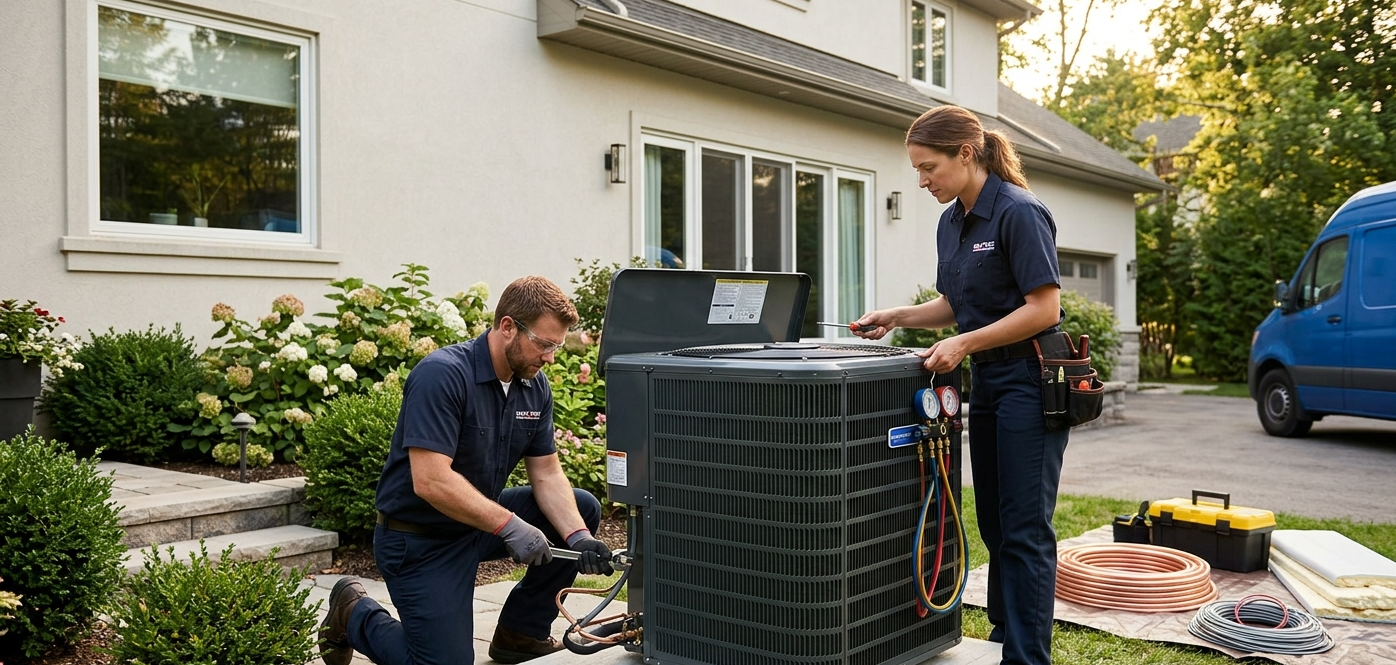
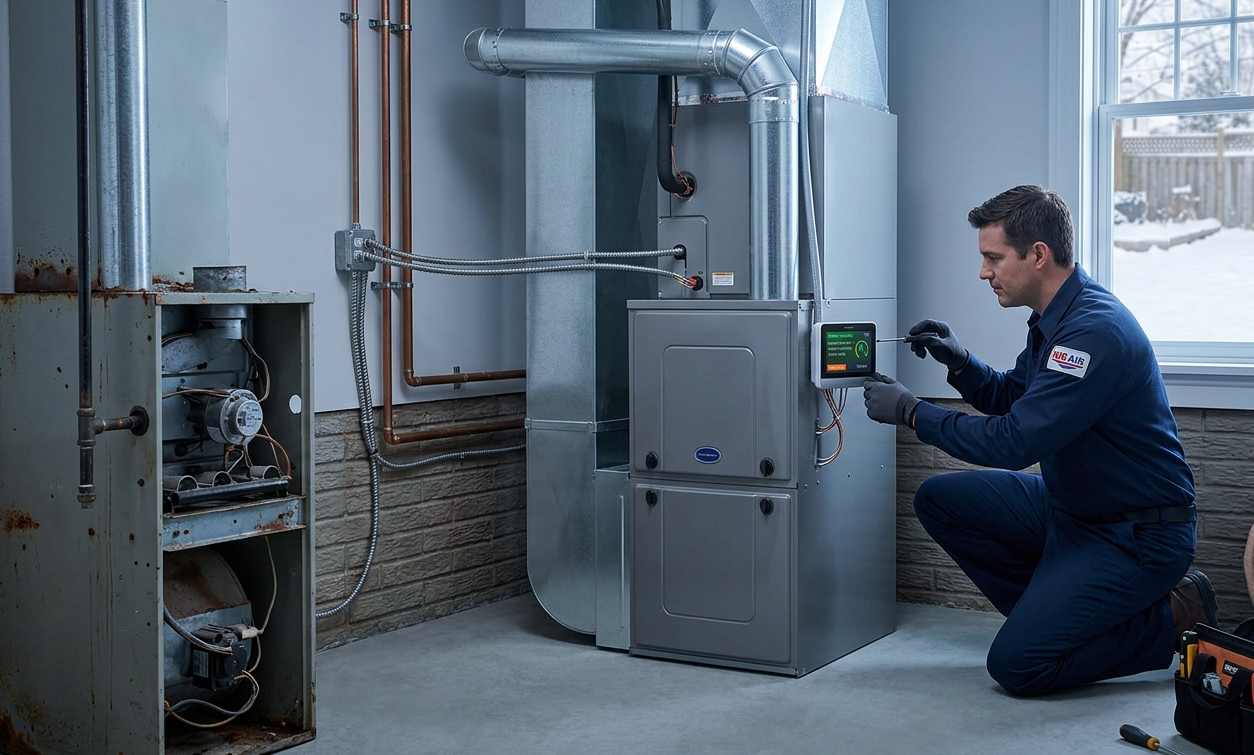
Investing in a new AC system improves comfort, lowers utility bills, and eliminates the frustration of constant repairs. Nis Air provides expert installation services tailored to the specific challenges of Florida's climate.

Plan your upgrade by calling Nis Air at 772-758-2100 to discuss the best system options for your home and budget.

Recent Posts

ac problems
By Corey Creekmore January 20, 2026
Prevent AC headaches in Fort Pierce, FL. Learn the 7 most common AC problems and how local experts can keep your system reliable and efficient all year long.
heater repair
By Corey Creekmore January 16, 2026
Avoid costly heater repairs! Learn the top warning signs your heating system needs HVAC maintenance to stay efficient, safe, & ready for your home this winter.
air conditioner
By Corey Creekmore January 8, 2026
Protect your air conditioner from coastal salt air. Learn how corrosion starts, warning signs of damage, and maintenance tips to extend AC life and efficiency.
By Corey Creekmore January 1, 2026
Protect your HVAC system this storm season with simple tips to secure, shut down, and inspect your equipment so it stays safe and ready after severe weather.
humidity
By Corey Creekmore December 24, 2025
Discover how humidity and moisture fuels allergies, asthma, and mold, plus practical HVAC and IAQ tips to create cleaner, healthier air in every room.
By Nis Air December 20, 2025
Air conditioning repair in Stuart, FL restores cooling by diagnosing issues like refrigerant leaks, electrical faults, and compressor failures quickly and accurately.
Humidity Solutions
By Corey Creekmore December 17, 2025
Discover the best humidity solutions for your home. Compare AC settings, dehumidifiers, and whole-home systems to boost comfort, protect health, and save energy.
HVAC
By Corey Creekmore December 11, 2025
Bust common HVAC myths to lower energy bills, extend system life, and improve home comfort with practical, easy-to-understand tips every homeowner can use.
By Corey Creekmore December 4, 2025
Coastal Florida is paradise for beach lovers—and for mold and mildew. Warm temperatures, salty air, and high humidity create ideal conditions for microbial growth, especially in and around your air conditioning system. When mold and mildew get into your AC or ductwork, they do more than create a musty smell. They can reduce indoor air quality, aggravate allergies and asthma, and make your home feel damp and uncomfortable. The good news is that with the right habits and maintenance, your AC can be your biggest ally in fighting mold instead of a source of the problem.​ Why Mold and Mildew Love Coastal Florida Mold and mildew thrive where three things meet: moisture, warmth, and a food source like dust or organic debris. Coastal Florida provides all three nearly year‑round. High outdoor humidity means the air your AC is pulling into and across the system is already moisture‑laden before it ever reaches your home. Salt in the air can also accelerate corrosion and wear, which can lead to small leaks or drainage issues that add even more moisture to the mix.​ Inside your HVAC system and ductwork, you have dark, enclosed spaces where condensation can form on coils, pans, and ducts. When moisture lingers and mixes with dust, pet dander, and other particles, mold spores can settle and grow quickly. That growth can then be carried throughout your home via the supply vents every time the system runs.​ How Mold in Your AC Affects Indoor Air Quality Your AC is designed to move and condition large volumes of air, which means anything growing inside it can easily be distributed through your home. Even small amounts of mold on coils, drain pans, or inside ducts can release spores that circulate in the air you breathe. Over time, this can reduce indoor air quality and contribute to symptoms such as coughing, sneezing, congestion, headaches, and aggravated asthma or allergies, especially in sensitive individuals.​ Another tell‑tale sign is odor. Musty or “dirty sock” smells when the AC starts or runs often indicate microbial growth in or near the system. Even if you do not see visible mold, persistent musty odors combined with high humidity indoors are a strong signal that the system and surrounding areas need attention.​ Common AC Mold Hotspots in Coastal Homes In a typical Florida home, mold and mildew issues linked to the AC tend to appear in a few key areas: Evaporator coil and drain pan: Condensation naturally forms here as warm, humid air passes over cold coils. If the drain pan doesn’t drain properly, standing water becomes prime mold territory.​ Condensate drain line: Algae, slime, and debris can clog the line, causing water to back up and sit in or around the air handler. This standing water can lead to mold, odors, and even water damage.​ Ductwork: Poorly insulated or leaky ducts in attics or crawlspaces can sweat and accumulate moisture. When combined with dust inside the ducts, this creates another mold‑friendly environment.​ Air filter and return area: A dirty filter loaded with organic particles not only hurts airflow but also gives mold and mildew more to feed on, especially if humidity is high.​ Identifying where the problem is most likely to start helps you know what to watch for and where preventive effort pays off most. Warning Signs of Mold and Mildew Issues Homeowners do not always see mold directly, but the system and the house give clues. Some of the most common warning signs include: Persistent musty or earthy odors when the AC is running or just after it starts, especially near vents or the air handler.​ Visible discoloration or fuzzy growth on vent covers, near supply registers, or around the air handler or closet.​ Excess indoor humidity, foggy windows, damp or clammy surfaces, and a feeling that the air is “heavy” even when the thermostat says it’s cool.​ Worsening respiratory symptoms such as coughing, sneezing, or wheezing that improve when you spend time away from home.​ These signs do not always mean the HVAC system itself is the source, but they do mean it is time to investigate and, if needed, involve a professional to pinpoint the problem. The Role of Humidity Control in Mold Prevention Humidity control is one of the most important defenses against mold and mildew in coastal Florida homes. Most experts recommend keeping indoor relative humidity between about 30% and 50% for comfort and health; in Florida, staying under about 55% is often the practical target. When indoor humidity consistently runs above that range, surfaces stay damp longer and mold growth becomes much more likely.​ A properly sized and functioning AC helps dehumidify by removing moisture from the air as it cools. However, if the system is oversized, cycles are too short, or the fan is set to “On” instead of “Auto,” the unit may not remove enough moisture, or it may re‑evaporate water from the coil back into the air. In homes with persistent humidity problems, adding whole‑home dehumidification, improving duct design, or addressing air leaks can significantly reduce mold risk.​ Everyday Habits to Reduce Mold Risk Beyond mechanical fixes, everyday habits make a big difference in how mold‑friendly your home environment is: Run bathroom and kitchen exhaust fans during and after showers or cooking to vent moist air outside instead of into your AC return.​ Avoid setting the thermostat too low in very humid weather; extreme temperature differences can encourage condensation on walls, vents, and ducts.​ Keep interior doors and vents open so air can circulate freely; stagnant air in closed‑off rooms can become humid and musty more quickly.​ Use ceiling fans correctly to keep air moving; they don’t remove humidity, but better circulation helps reduce “dead zones” where moisture and spores can settle.​ These simple practices support what your AC is already trying to do: move air, control temperature, and reduce excess moisture. AC Maintenance Steps That Protect Indoor Air Quality Regular maintenance is one of the strongest tools homeowners have to keep mold and mildew away from their AC system. Change air filters consistently Filters should typically be checked monthly and replaced every 1–3 months, more often if you have pets, allergies, or a lot of dust. Clean filters improve airflow, reduce the organic debris available for mold, and help your system dehumidify effectively.​ Have the evaporator coil and drain pan inspected and cleaned During professional maintenance visits, technicians can safely clean coils and treat drain pans to remove buildup that encourages mold growth. This includes flushing the condensate line to prevent clogs and standing water.​ Ensure ducts are sealed and insulated In coastal Florida, ducts running through hot attics or crawlspaces should be properly insulated and sealed to prevent “sweating” and moisture intrusion. A professional can test for leakage and recommend repairs or upgrades.​ Consider mold‑resistant treatments where appropriate In some cases, professionals may apply approved mold inhibitors or recommend components designed to resist microbial growth. These treatments should always be done according to industry standards and product instructions.​ Together, these steps help your system stay clean, dry, and better able to filter and condition the air in your home. When You Suspect Mold in Your HVAC System If you believe mold may already be present in your AC or ducts, avoid trying to handle it all yourself. Disturbing mold growth without proper containment can spread spores further through your home. In many cases, the best approach is to contact a qualified HVAC professional to inspect the system and, when necessary, coordinate with a mold remediation specialist.​ A thorough response typically includes: Inspecting the air handler, coils, drain pan, and accessible ductwork for visible growth or moisture problems. Addressing the root cause—such as a clogged drain line, oversized equipment, or duct leakage—so mold is less likely to return.​ Cleaning or replacing affected components according to health and industry guidelines, and only using products approved for HVAC use.​ If mold growth is widespread in building materials beyond the HVAC system, remediation may extend to walls, insulation, or flooring, which should be handled by trained professionals. The Health Perspective: Who Is Most at Risk? Not everyone reacts to mold the same way, but certain groups are more susceptible to the effects of poor indoor air quality. People with asthma, allergies, compromised immune systems, or chronic respiratory issues can be more sensitive to mold spores and byproducts. Children and older adults may also experience symptoms sooner when indoor air quality is compromised.​ Common health‑related signs that may be linked to mold exposure include sneezing, runny nose, itchy eyes, coughing, wheezing, and worsening asthma attacks. In some cases, people report headaches, fatigue, or difficulty concentrating when mold issues are significant. While your AC is not the only possible source, making sure your system is clean and keeping humidity under control is a critical part of creating a healthier home environment.​ Making Your AC an Ally Against Mold Even in the challenging climate of coastal Florida, your AC does not have to be a mold problem waiting to happen. When properly sized, installed, and maintained, your system helps control both temperature and humidity, filters out airborne particles, and keeps air moving so spores are less likely to settle and grow. Think of your AC as part of an overall moisture‑management strategy that also includes good ventilation, smart thermostat settings, and attention to problem areas like bathrooms, kitchens, and laundry spaces.​ By watching for early warning signs, practicing good humidity habits, and scheduling regular professional maintenance, you can turn a mold‑friendly climate into a comfortable, healthier home. In a region where humidity is a fact of life, managing mold and mildew is not about eliminating moisture completely—it is about controlling it so your AC works for you, not against your indoor air quality .​
By Nis Air November 20, 2025
AC maintenance services in Port St. Lucie, FL keep your cooling system running efficiently through Florida's heat and humidity year-round.
Show More