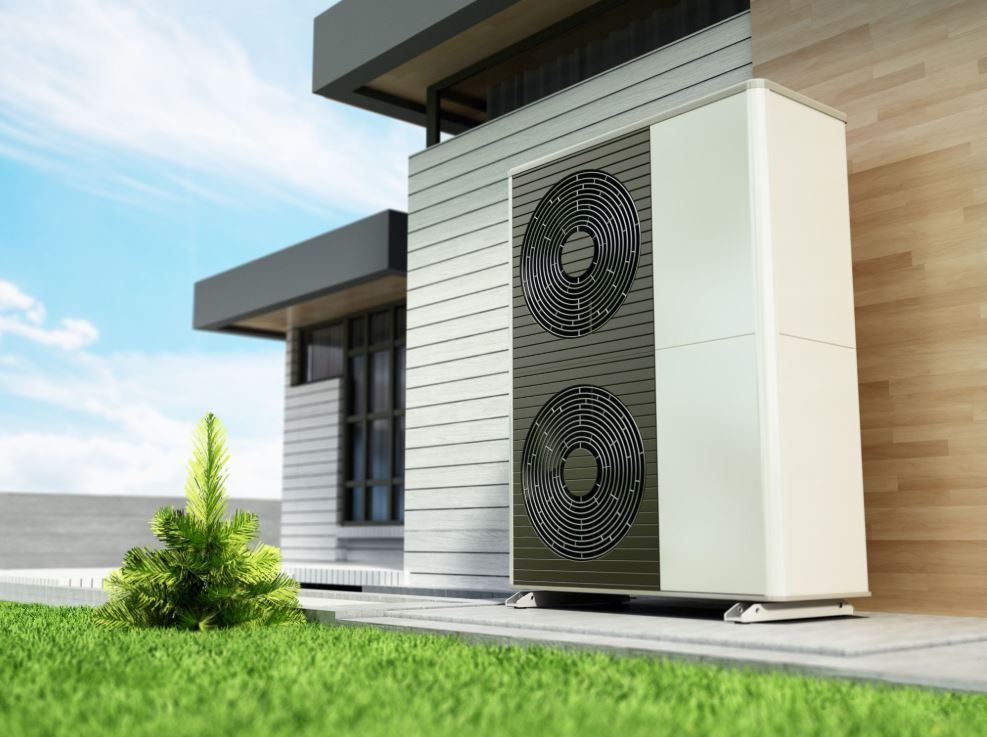
In Florida’s intense heat and high humidity, a commercial climate control system is more than just a mechanical necessity. It is the lifeblood of your day-to-day operations. When temperature and humidity levels rise, they quickly impact employee productivity, inventory safety, and customer satisfaction. Managing these variables requires a robust, heavy-duty commercial heating, ventilation, and air conditioning (HVAC) infrastructure designed to handle intense environmental demands.
Navigating the world of commercial HVAC systems involves understanding complex components, load requirements, maintenance schedules, and indoor air quality standards. Selecting the right setup and keeping it running smoothly can make a massive difference in your business's operational overhead.
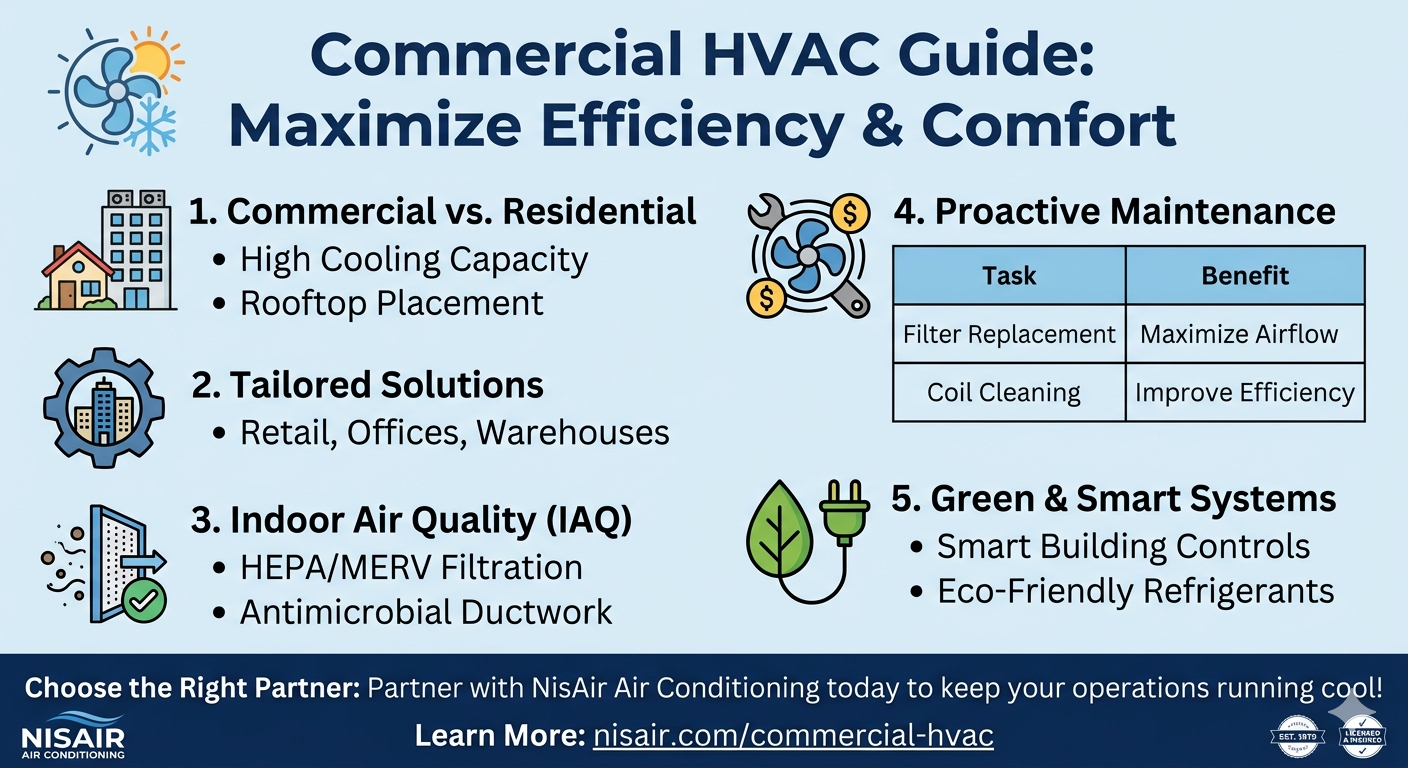
1. Commercial vs. Residential HVAC: What Is the Difference?
While both residential and commercial systems perform the same core function—cooling, heating, and filtering air—their engineering, capacity, and architectural design are entirely distinct.
- Size and Cooling Capacity: Commercial spaces require significantly more cooling power. Residential systems are typically measured in fractions of tons (usually up to 5 tons), whereas commercial systems range anywhere from 10 tons to several hundred tons to accommodate massive square footage and high occupant density.
- Modular vs. Standalone Design: Residential units are generally split systems with fixed components. Commercial systems are modular. This means all components (compressors, evaporators, condensers, and fans) are often housed together in a single footprint, allowing for easy expansion or restructuring as your business grows.
- Placement and Accessibility: Residential units sit in yards or garages, while commercial systems are primarily engineered as rooftop units (RTUs). Rooftop placement saves valuable ground-level square footage and isolates mechanical noise from the workspace. It also allows technicians to perform repairs without disrupting your daily operations.
- Complex Zoning Requirements: A single-family home usually requires one or two temperature zones. A commercial building, however, may feature separate zones for an open office pool, server rooms that require 24/7 cooling, crowded conference rooms, and a retail storefront.
2. Tailored Climate Solutions Across Different Industries
Every industry faces distinct indoor environmental hurdles. A cookie-cutter approach to commercial climate control usually leads to inefficient energy use and uneven temperature distribution.
Retail Spaces and Storefronts
For retail businesses, a welcoming environment directly influences foot traffic and sales numbers. If a retail floor is stuffy or humid, shoppers leave quickly. Retail HVAC configurations need to handle frequent building infiltration—the continuous entry of hot, humid outside air as customers open and close exterior doors.
Modern Office Buildings
Employee focus and productivity drop when office temperatures drift into extremes. Offices benefit from quiet, multi-zone variable air volume (VAV) systems. These setups dynamically alter airflow based on localized demands, ensuring a distraction-free and comfortable workplace for staff members who remain seated for long stretches.
Industrial Facilities and Warehouses
Industrial environments often contend with heavy machinery heat loads, airborne dust, and expansive open spaces. These structures rely on high-volume ventilation setups, robust exhaust systems, and high-capacity package units to maintain regulatory safety standards and protect delicate equipment from overheating.
3. High-Performance Indoor Air Quality (IAQ) Upgrades
Because modern commercial properties are tightly sealed for energy efficiency, indoor air can quickly become stagnant. If your building breathes poorly, it traps airborne particulate matter, biological contaminants, volatile organic compounds (VOCs), and excess moisture.
To combat this, businesses install advanced indoor air quality modifications:
- HEPA and High-MERV Filtration: Standard mechanical filters catch large dust bunnies, but commercial environments require high-efficiency particulate air (HEPA) or high Minimum Efficiency Reporting Value (MERV) filtration. These medical- and industrial-grade filters capture up to 99.97% of micro-particles, including smoke, pollen, and airborne bacteria.
- Antibacterial and Antimicrobial Ductwork: Over time, humidity can cause biological accumulation inside hidden metal duct runs. Specialized antimicrobial interior duct linings prevent biological growth and protect the cleanliness of the air before it enters your working rooms.
- Whole-Facility Dehumidification Systems: In humid environments like Florida, cooling alone isn't enough. Excess humidity forces the air conditioner to run longer, stressing components. Whole-building dehumidifiers remove gallons of moisture directly from the incoming air stream, lowering the real heat index and reducing structural mold risks.
4. The Financial Advantage of Proactive Maintenance
Waiting for a commercial system to fail before calling a technician is a costly business strategy. Emergency repairs, overnight downtime, and sudden components failures can cripple your weekly revenue. Investing in a structured preventive maintenance plan pays for itself by lowering utility bills and protecting your initial capital investment.
5. Transitioning to Green and Smart Building Systems
Energy codes are changing rapidly, and older, inefficient HVAC setups can drain your operational budget. Upgrading to modern smart building systems helps you take control of your overhead.
Integrating Wi-Fi-enabled smart thermostats and dedicated building management systems (BMS) allows facility managers to monitor and adjust temperatures remotely. You can program deep-setback schedules for holidays, weekends, or closing hours so you aren't paying to cool an empty building.
Furthermore, modern units utilize eco-friendly, non-ozone-depleting refrigerants and variable-speed inverter compressors that scale their energy consumption up or down precisely based on real-time load demands, rather than constantly cycling on and off at 100% capacity.
Choose the Right Partner for Your Commercial Facility
Investing in a high-quality commercial system is only half the battle; the design, execution, and long-term upkeep require true mechanical expertise. Whether you are managing an upgrade for a bustling office, managing a complex commercial remodel, or facing an unexpected mid-day system breakdown, having seasoned professionals on standby is invaluable. For businesses on the Treasure Coast looking to optimize efficiency, lower utility expenses, and secure 24/7 emergency support, partnering with an expert team makes all the difference. Explore your options for tailored installations and reliable service agreements by contacting the specialists in
commercial HVAC at NisAir Air Conditioning today to keep your operations running cool and uninterrupted all year long.