
Do Heating Systems in Fort Pierce, FL Really Need Annual Repair Checks?
Heating systems in Fort Pierce, FL benefit from annual repair checks that catch small issues before they turn into expensive mid-winter breakdowns.
What Happens Inside a Heating System That Goes Unchecked?
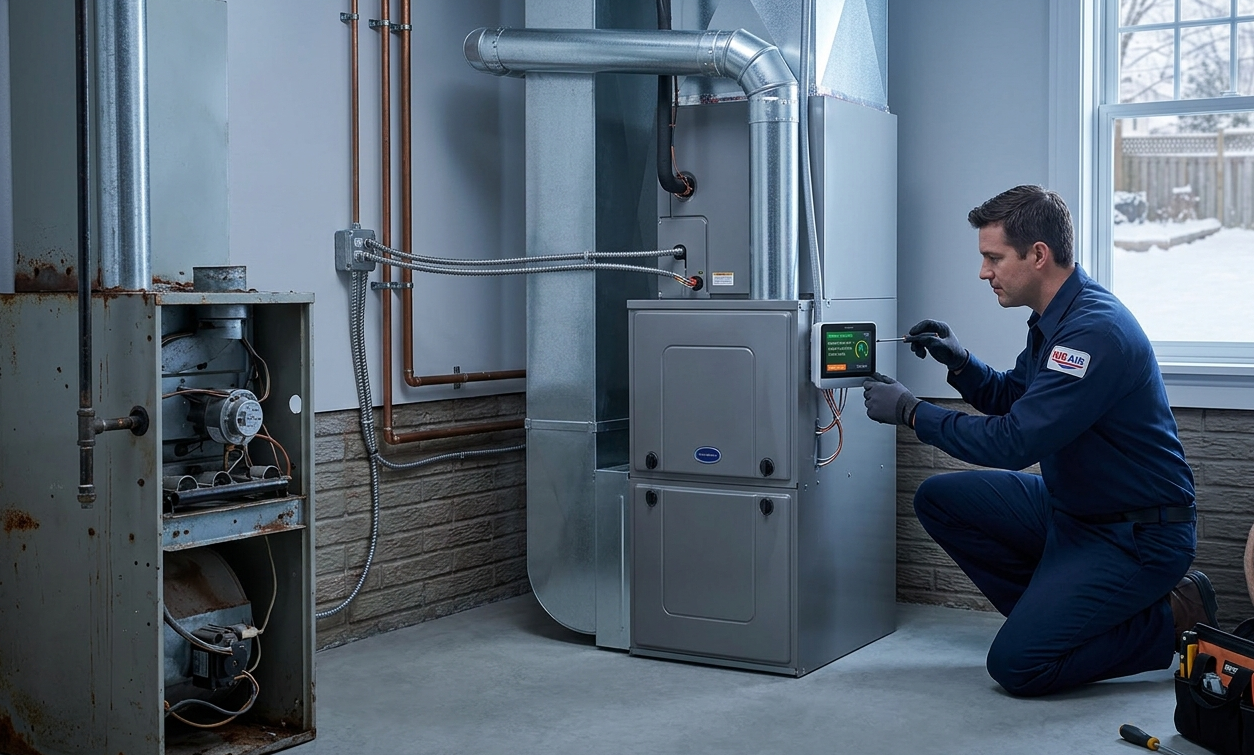
A heating system that runs without professional inspection accumulates wear on critical components over time. Electrical connections loosen, capacitors weaken, and heat exchangers develop micro-cracks that are invisible to homeowners but dangerous if left unaddressed.
Dust and debris collect on burners, ignition systems, and blower motors throughout the year. Even in Florida, where heating demand is lighter than in northern states, these buildups reduce efficiency and force the system to work harder during cold snaps. A unit straining against dirty components draws more electricity and produces less heat, which shows up directly on your utility bill.
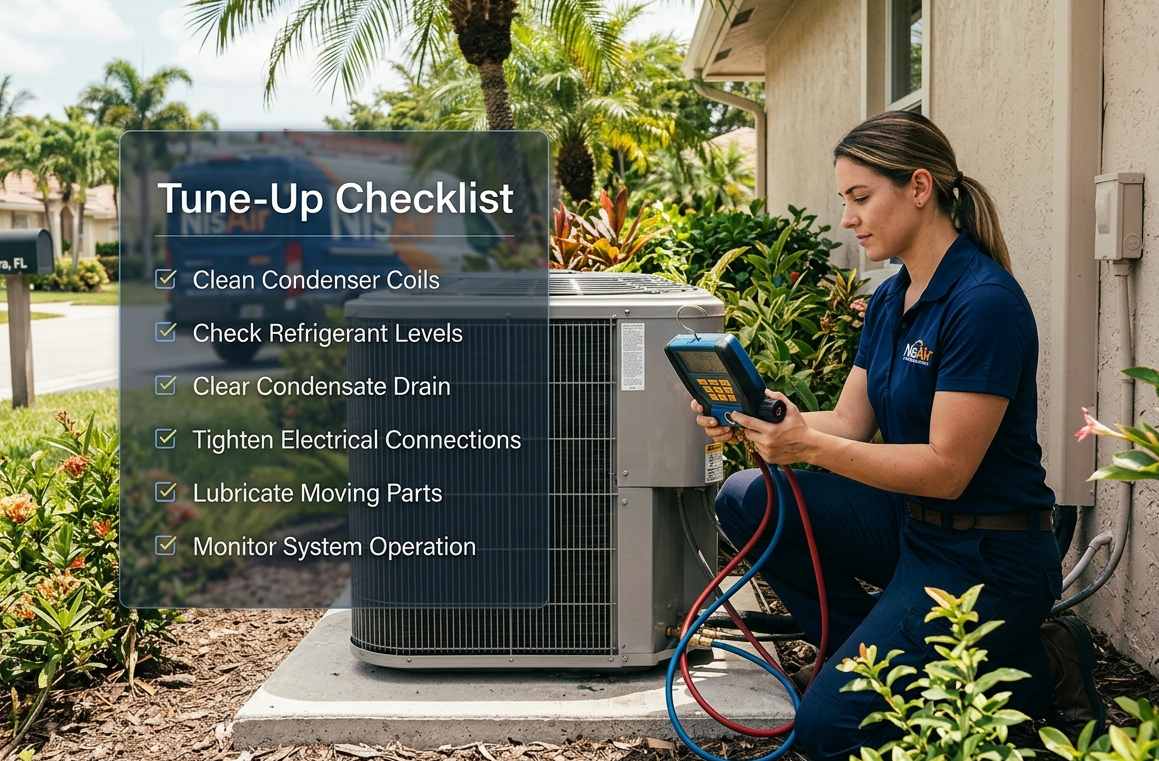
Refrigerant-based heat pumps, which are the most common heating systems on the Treasure Coast, face additional risks. Low refrigerant levels cause the compressor to overheat, and a failed compressor is one of the most expensive repairs in HVAC. Annual checks verify refrigerant charge, inspect reversing valves, and test defrost cycles so your system switches between heating and cooling modes without issue. Professional heating repair services in Fort Pierce address these concerns before they escalate.
How Often Should Fort Pierce Homeowners Schedule Heating Service?
Most HVAC professionals recommend at least one heating-specific inspection per year, ideally in the fall before temperatures drop. This timing allows technicians to identify worn parts, calibrate thermostats, and clean components while demand is still low and scheduling is flexible.
Homes with older systems or units that run frequently should consider biannual visits. A system that is more than ten years old has components approaching the end of their expected lifespan, and catching a failing part during a routine visit costs far less than an emergency call on a cold January night. Nis Air operates from two Treasure Coast locations in Stuart and Fort Pierce, which means faster response times when you need service most.
If your system cycles on and off frequently, makes unusual noises, or produces uneven heating across rooms, those are signs that a check is overdue. Waiting until the system fails completely often means replacing multiple parts instead of one, and in some cases, replacing the entire unit. Proactive service protects both your comfort and your budget.
Recognizing Early Repair Signals Before They Become Emergencies
Several warning signs indicate your heating system needs attention before a full breakdown occurs. A sudden increase in your electric bill during cooler months often means the system is compensating for a failing component. Strange odors when the heat kicks on, especially a burning or metallic smell, suggest electrical issues or dust burning off neglected elements.
Uneven temperatures between rooms point to airflow restrictions, duct leaks, or a blower motor losing power. You might also notice the system running longer cycles without reaching the set temperature, which signals reduced heating capacity. Each of these symptoms worsens over time if ignored, and the repair cost rises with every month of delay.
A qualified technician can diagnose these issues in a single visit. They test electrical connections, measure airflow across the heat exchanger, inspect the condensate drain, and verify thermostat accuracy. If your system needs a component replaced, having it done during a scheduled visit avoids the premium cost of emergency service. Considering a system upgrade instead of ongoing repairs is also worth discussing, and heating installation in Fort Pierce can provide long-term savings over repeated fixes.
Does Fort Pierce's Mild Winter Create a False Sense of Security?
Fort Pierce's subtropical climate means heating systems sit idle for most of the year, and that inactivity creates its own set of problems. Seals dry out, lubrication on moving parts evaporates, and pests sometimes nest inside outdoor units or ductwork during the warm months.
When the first cold front arrives and homeowners switch to heat mode for the first time in months, the system faces a sudden demand it has not been prepared for. Capacitors that weakened during the off-season may fail on startup. Contactors corroded by salt air and humidity may not engage properly. These failures feel sudden but are the result of months of undetected deterioration.
The seasonal demand pattern on the Treasure Coast also means that HVAC companies receive a surge of emergency calls during the first significant cold snap each year. Homeowners who skip annual service often find themselves waiting longer for repairs during peak demand periods. Scheduling a fall tune-up while the weather is still warm gives you priority access and ensures your system is ready when temperatures finally drop below comfort levels.