Signs Your Stuart, FL Home Needs Better Indoor Air Quality Solutions
Stuart, FL homeowners often overlook indoor air quality problems until persistent allergies, musty odors, or excessive dust reveal hidden issues inside their homes.
What Are the Most Common Indoor Air Quality Warning Signs?
The most common warning signs include lingering dust on surfaces, stuffy rooms that never feel fresh, and allergy symptoms that worsen when you are indoors. These issues typically point to airborne contaminants circulating through your ductwork and living spaces.
You might notice that certain rooms smell stale or damp even after cleaning. Condensation on windows, visible mold near vents, and a thin film of dust that returns within hours of wiping are all indicators that your home's air is carrying particles your system cannot filter effectively. If family members sneeze more at home than they do outside, your indoor environment is likely the source.
Headaches, fatigue, and irritated eyes are also tied to poor air circulation and elevated levels of volatile organic compounds. These chemicals come from household cleaners, paint, furniture, and even building materials. When your HVAC system recirculates them without adequate filtration, the concentration builds over time. Professional indoor air quality services in Stuart can identify the specific pollutants affecting your household and recommend targeted solutions.
How Does Your HVAC System Affect the Air You Breathe?
Your HVAC system is responsible for filtering, circulating, and conditioning every cubic foot of air inside your home. When filters are clogged, ducts are dirty, or components are worn, the system pushes contaminated air through every room instead of cleaning it.
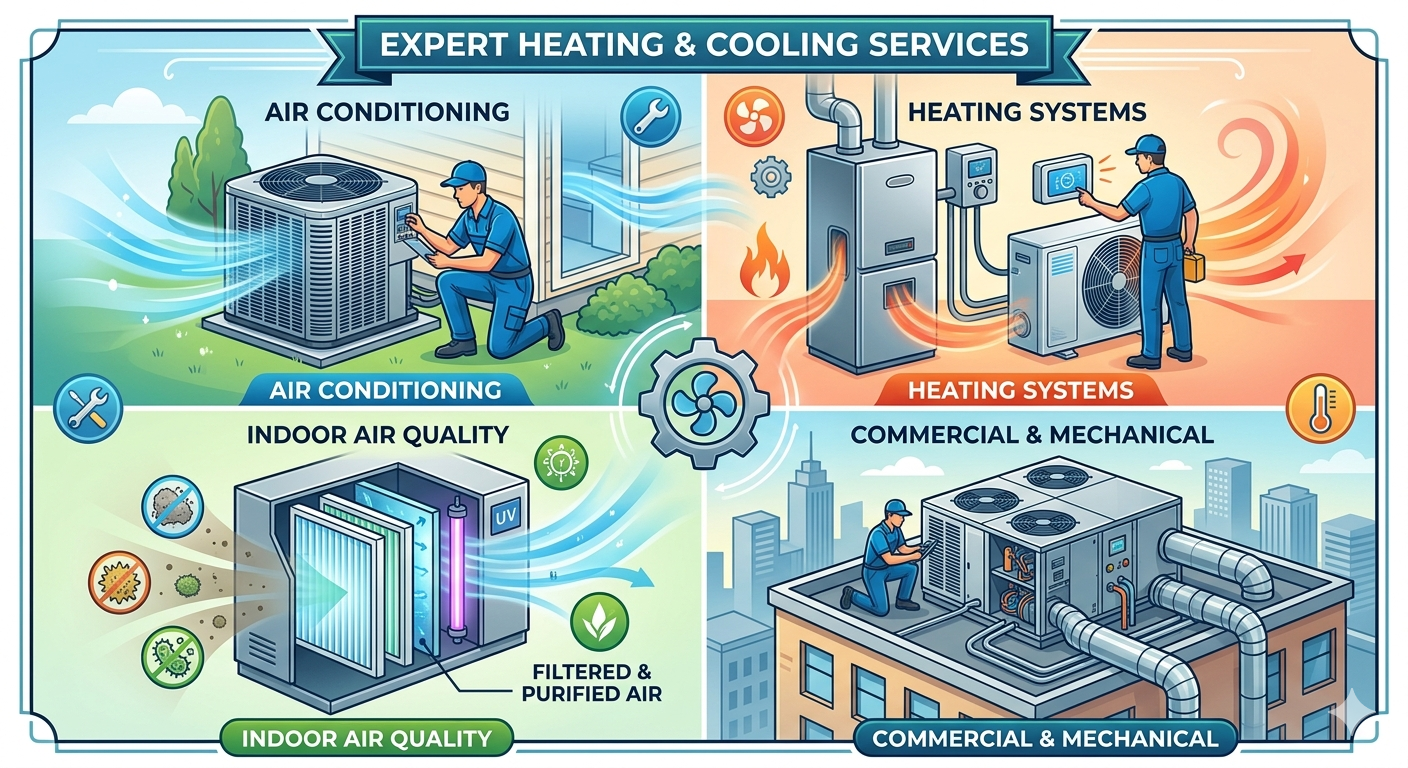
A standard one-inch filter captures only the largest particles. Pet dander, pollen, mold spores, and bacteria pass right through and settle on furniture, bedding, and flooring. Upgrading to a higher-rated filter or adding a dedicated air purification system can dramatically reduce airborne irritants. Whole-home solutions work with your existing ductwork so every room benefits equally.
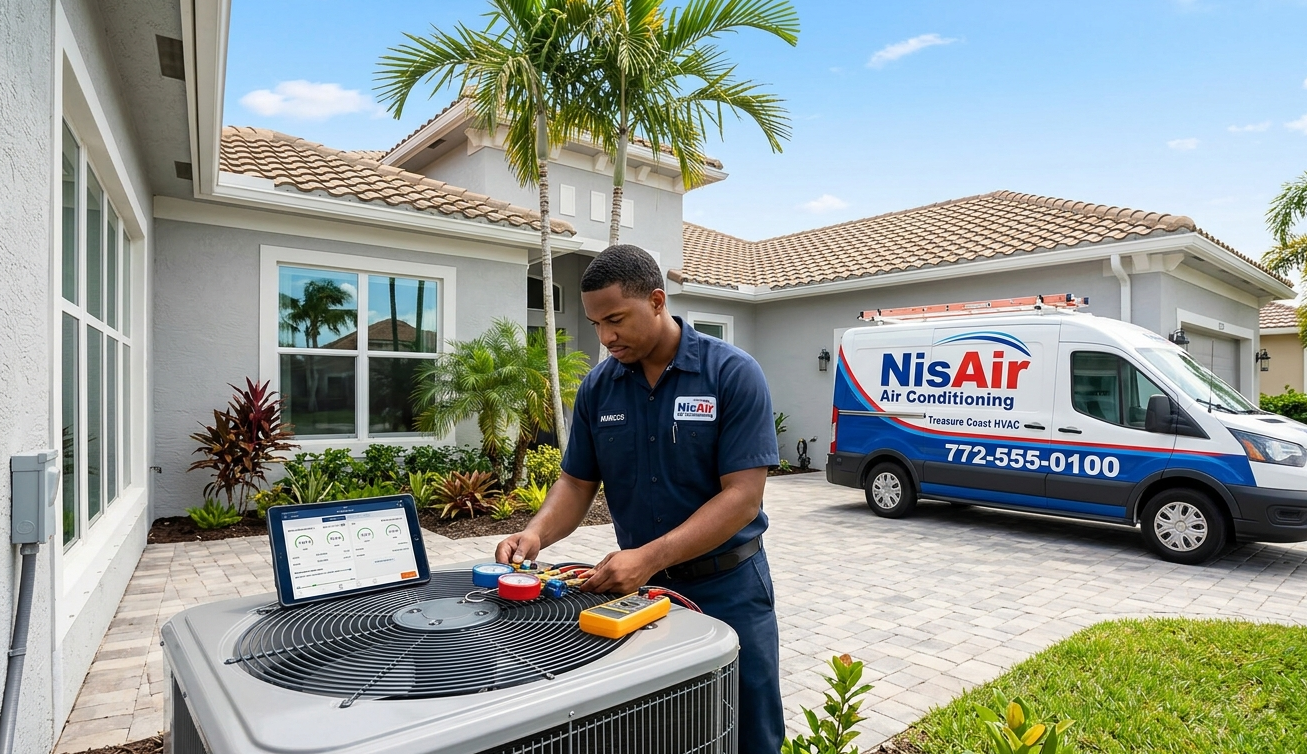
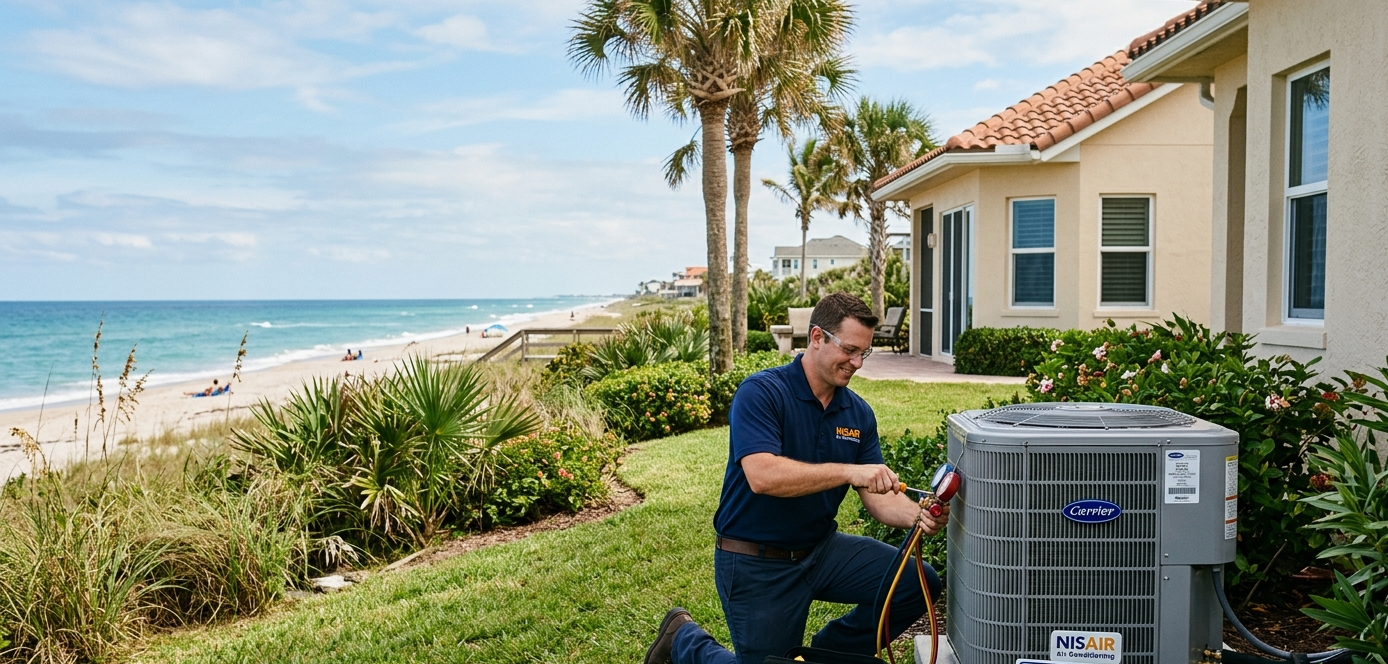
Humidity control plays a major role as well. Florida's moisture levels encourage mold and mildew growth inside ducts and around evaporator coils. If your system is not properly dehumidifying, you may notice a musty smell each time the air conditioner cycles on. Routine HVAC maintenance in Stuart includes checking refrigerant levels, cleaning coils, and verifying that your system removes humidity as designed.
Matching the Right Air Filtration to Your Home
Not every filtration option suits every household. Homes with pets benefit from HEPA-grade media filters that trap dander and hair before it recirculates. Families with asthma or respiratory sensitivities may need ultraviolet germicidal lights installed inside the air handler to neutralize bacteria and viruses on contact.
Whole-home dehumidifiers are another practical addition for Stuart residences. They work independently from your air conditioner, pulling excess moisture out of the air without overcooling your living space. This is especially useful during spring and fall when temperatures drop but humidity stays high. Running your AC just to dehumidify wastes energy and puts unnecessary wear on the compressor.
Duct sealing is an often-overlooked step. Leaky ducts pull in unconditioned air from attics and crawl spaces, carrying dust, insulation fibers, and allergens directly into your rooms. A professional duct inspection reveals leaks, blockages, and buildup that restrict airflow and degrade air quality. Nis Air has served the Treasure Coast since 1973, and that experience means accurate diagnostics and solutions that fit your home's specific layout and needs.
Does Stuart's Older Housing Stock Create Unique Air Quality Challenges?
Stuart's mix of historic bungalows, mid-century ranch homes, and newer waterfront construction creates a range of indoor air quality scenarios. Older homes built before modern building codes often lack vapor barriers, have minimal insulation, and use original ductwork that has accumulated decades of debris.
These older structures also tend to have smaller return vents and outdated air handler configurations that struggle to keep up with current filtration standards. Retrofitting a high-efficiency filter into an older system without adjusting airflow can actually reduce performance and cause the unit to freeze. A proper assessment considers duct sizing, system capacity, and the home's overall envelope before recommending any upgrades.
Newer construction along the St. Lucie River and in downtown Stuart neighborhoods typically has tighter building envelopes, which is good for energy efficiency but can trap pollutants inside without adequate ventilation. Fresh air exchangers and energy recovery ventilators bring in filtered outdoor air while expelling stale indoor air, maintaining a healthy balance without spiking your electric bill. Understanding how your home was built is the first step toward cleaner air in every room.