Humidity plays a powerful role in allergies, asthma, and mold growth, and managing indoor humidity correctly can dramatically improve how easily you breathe at home. When indoor air is too damp or too dry, it irritates airways, fuels allergens like dust mites and mold, and can trigger or worsen symptoms in sensitive lungs. Keeping humidity in a healthy mid-range is one of the most effective ways to protect your lungs and improve indoor air quality.
What Is Indoor Humidity?
Indoor humidity is the amount of water vapor suspended in your indoor air, usually expressed as relative humidity (RH) in percent. Relative humidity describes how much moisture is in the air compared with the maximum it could hold at that temperature.
High humidity means the air is holding a lot of moisture, making it feel heavy, sticky, and warmer than it really is.
Low humidity means the air is dry, which can irritate your nose, throat, and lungs and make airborne irritants more aggressive.
For most homes, experts recommend keeping indoor humidity roughly between 30% and 50% to balance comfort, respiratory health, and mold prevention.
How Humidity Affects Your Lungs
Your airways are lined with delicate tissues that rely on the right moisture level to trap and clear particles. When humidity is far too high or too low, these defenses weaken, and your lungs become more vulnerable.
In very dry air, mucous membranes dry out, making them less effective at trapping viruses, dust, and allergens.
In very humid air, your lungs work harder because the air feels heavier, and it often contains more allergens like dust mites and mold spores.
Both extremes of humidity can trigger coughing, wheezing, chest tightness, and shortness of breath, especially for people with asthma or other chronic lung conditions.
Allergies and Humidity
Humidity directly influences the allergens floating around your home and how your nose and lungs react to them. Many common indoor allergens either thrive in high humidity or become more irritating in dry air.
High humidity encourages dust mites and mold, two of the most common allergy triggers indoors.
Low humidity dries nasal passages, increasing irritation and making it easier for allergens to penetrate deeper into your airways.
People with seasonal or year-round allergies often notice their symptoms change as humidity rises in spring and summer or drops during heated indoor winter air.
Asthma and Humidity
Asthma causes sensitive, inflamed airways that react strongly to triggers, and humidity can be one of those triggers. Both high and low humidity can make asthma symptoms more frequent or more severe.
High humidity can trap pollutants and allergens in the air and make breathing feel more labored, triggering wheeze and shortness of breath.
Low humidity can irritate already sensitive bronchial tubes, increasing coughing, chest tightness, and asthma flares.
Studies link damp, moldy indoor environments with higher rates of asthma development and more frequent asthma attacks, especially in children. Controlling indoor humidity is therefore a key part of any asthma management plan.
Mold, Dampness, and Your Airways
Mold and dampness are closely tied to indoor humidity levels, and both have clear associations with respiratory and allergic problems. Mold thrives in moist environments, releasing spores and fragments that can be inhaled deep into the lungs.
Indoor dampness and visible mold are consistently associated with more asthma, cough, wheeze, bronchitis, and allergic rhinitis.
Mold-related exposures in damp buildings are linked to asthma development and asthma exacerbations, particularly in children.
When indoor humidity stays high, especially above 55–60%, mold growth becomes more likely on walls, ceilings, bathrooms, basements, and around leaky areas. Inhaling those spores can trigger or worsen allergies, asthma, and other respiratory symptoms.
Dust Mites, Humidity, and Allergy Flares
Dust mites are microscopic pests that feed on skin flakes and thrive in warm, humid environments, particularly in bedding, carpets, and upholstery. They are a major source of indoor allergens, and their populations explode when humidity rises.
Dust mites multiply rapidly when relative humidity is above about 50–60%, especially in soft furnishings.
Lowering humidity below around 50% can significantly reduce dust mite levels and their allergenic particles in the home.
For people allergic to dust mites, controlling indoor humidity is one of the most effective strategies to reduce sneezing, congestion, itchy eyes, and asthma symptoms.
Too Much vs. Too Little Humidity
Both extremes of indoor humidity cause problems, just in different ways. Understanding how each affects your lungs helps you target the right solutions.
Excessive humidity promotes mold, dust mites, and bacteria, and creates heavy, hard-to-breathe air that can trigger asthma and allergy symptoms.
Very low humidity dries out the lining of your nose and bronchial tubes, making irritation, infections, and allergy flares more likely.
Finding and maintaining a healthy humidity range keeps your airways more comfortable and reduces the number of airborne irritants your lungs have to fight.
Ideal Indoor Humidity Range for Healthy Lungs
Most respiratory and allergy experts recommend targeting a “comfort and health” band for indoor humidity. This range is designed to protect both your lungs and your home.
A relative humidity level of roughly 30–50% is generally considered ideal for indoor health and comfort.
Keeping humidity below about 50–60% helps discourage dust mites and mold, reducing important asthma and allergy triggers.
Using a simple digital hygrometer is an easy way to keep track of indoor humidity and make sure it stays in a lung-friendly range.
Practical Ways to Control Indoor Humidity
Actively managing humidity is one of the most practical steps you can take to protect your lungs indoors. Depending on whether your home tends to be too damp or too dry, different tools and habits will help.
To reduce high humidity, use dehumidifiers, exhaust fans in kitchens and bathrooms, fix leaks promptly, and improve ventilation in damp areas.
To increase low humidity, consider a safe, well-maintained humidifier, especially in winter, while carefully monitoring levels to avoid over-humidifying.
In many homes, the right HVAC setup and settings can maintain balanced humidity while also filtering and conditioning the air for better respiratory health.
HVAC, IAQ, and Humidity Management
Heating and cooling systems play a central role in controlling indoor humidity and, by extension, your respiratory health. Modern HVAC solutions often combine temperature, humidity, and filtration control for healthier indoor air.
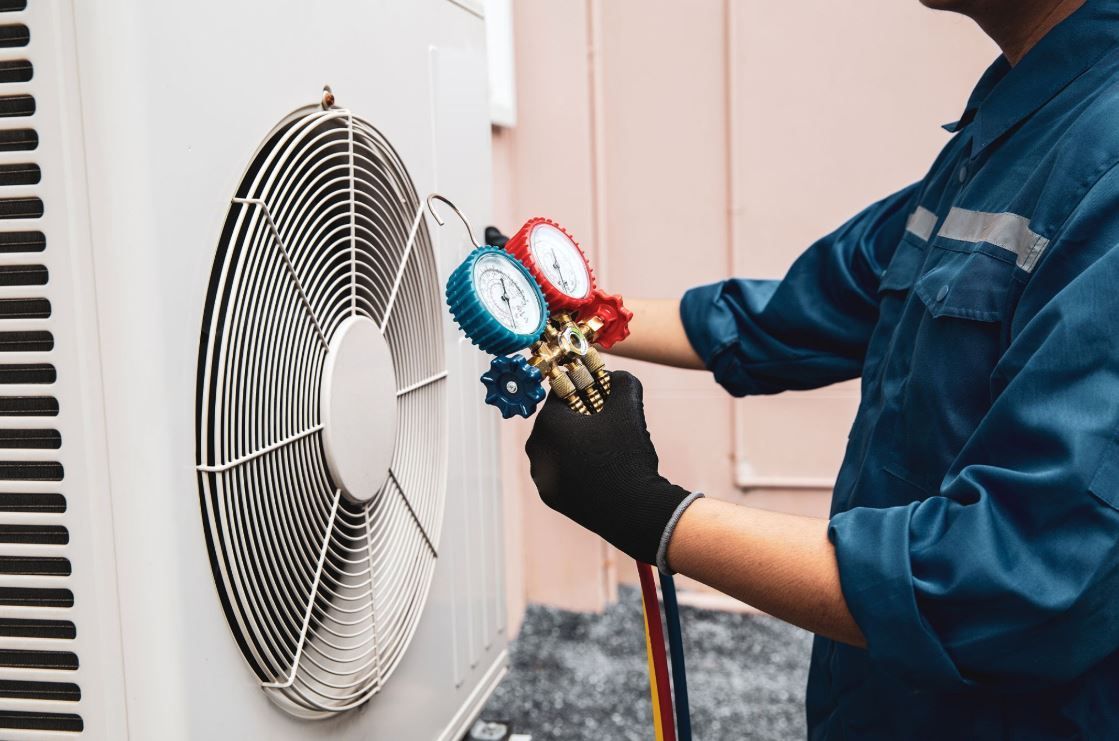
Air conditioners, heat pumps, and properly sized systems can remove excess moisture from the air while cooling, helping to keep humidity within a healthy band.
Advanced options like whole-home dehumidifiers, smart thermostats with humidity control, and upgraded filtration can significantly improve indoor air quality for allergy and asthma sufferers.
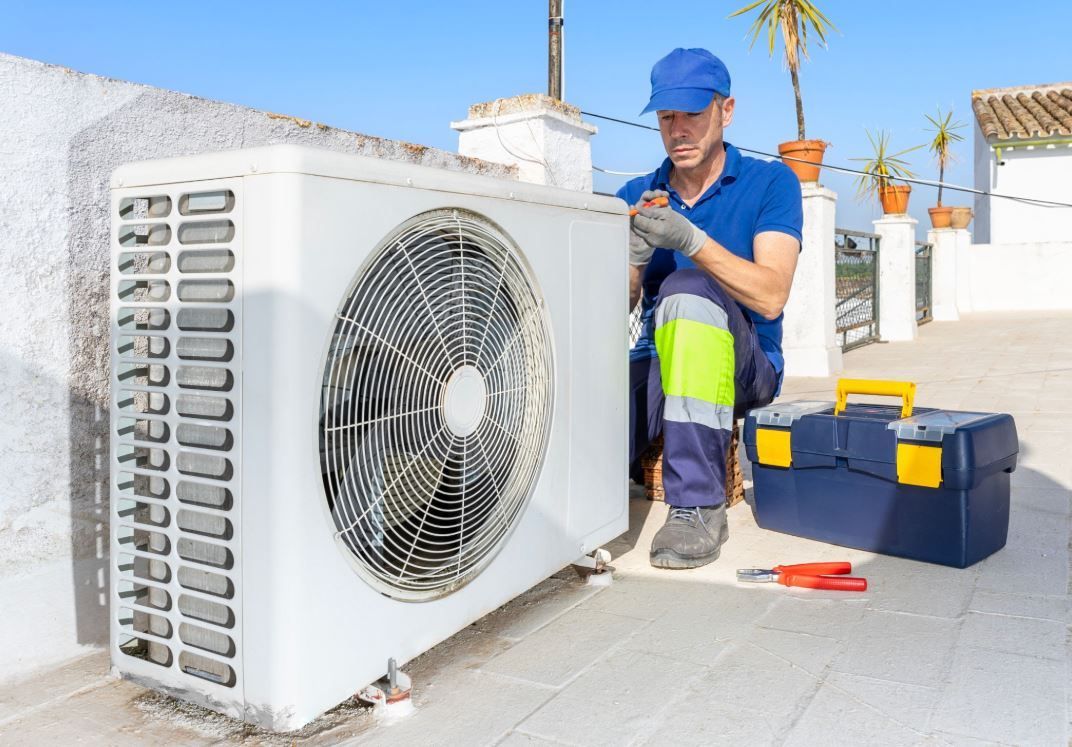
Routine HVAC maintenance, including coil cleaning, filter changes, and inspection for condensation issues, also helps prevent mold and moisture problems that could harm your lungs.
When to Seek Professional Help
If you or someone in your home struggles with allergies, asthma, or recurring respiratory infections, indoor humidity may be a hidden driver of those symptoms. Professional guidance can help you pinpoint problems and design targeted solutions.
Persistent damp smells, visible mold, condensation on windows, or high measured humidity indicate a need for deeper investigation.
Frequent asthma attacks, unexplained coughing, or allergy flares that worsen at home may signal that your indoor humidity and air quality need expert attention.
A qualified HVAC and indoor air quality specialist can assess your home, measure
humidity, identify dampness and mold risks, and recommend system upgrades or controls that protect your lungs day after day.