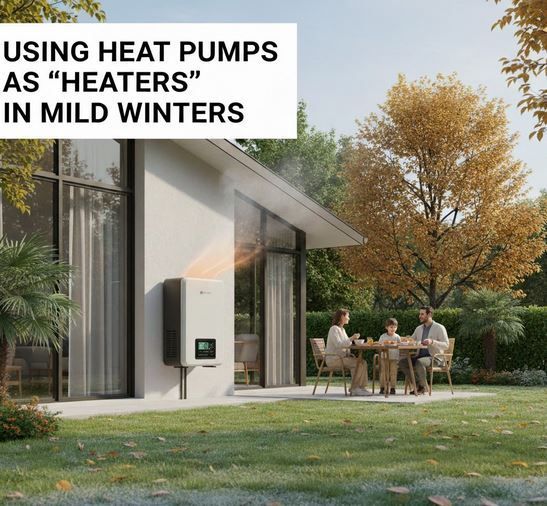
Heat pumps work extremely well as “heaters” in areas with mild winters because they move heat instead of burning fuel, giving you efficient, even comfort and lower energy bills compared to electric resistance heat or many traditional systems in moderate climates. This guide explains how they heat, why they are ideal for mild winter regions, what affects their efficiency, and how to get the most out of them.
What a heat pump is when you use it as a heater
A heat pump is a single system that provides both cooling in summer and heating in winter by moving heat between indoors and outdoors. In heating mode, it reverses the refrigeration cycle used for air conditioning so it can pull heat from outdoor air and transfer it inside.
Even when it feels chilly outside, there is still usable heat in the air that the refrigerant can absorb and carry indoors. Because it is transferring heat instead of creating it by burning fuel or using heating elements, a heat pump can deliver two to four units of heat for every unit of electricity used under favorable conditions, which is why its efficiency is often described with a coefficient of performance greater than 1.
Why heat pumps excel in mild winters
Heat pumps achieve their best efficiency in cool or mild weather, which is exactly what many coastal and southern regions experience for most of the “heating season”. At these moderate temperatures, they can outperform electric resistance heating and often operate at a lower cost than many fuel‑based systems on a per‑unit‑of‑heat basis, depending on local energy prices.
In climates where a large share of winter days are around 40 degrees or higher, a heat pump can stay in its most efficient operating range for much of the season. Analyses of heat pump performance curves show that a significant portion of annual heating demand falls into these mild temperature bands where the system’s efficiency is at or near its peak, so the homeowner benefits from months of above‑average efficiency and steady comfort.
Key efficiency ratings that matter for heating
Manufacturers publish several ratings that help you understand how well a heat pump will perform in heating mode, especially in different climates. One major metric is HSPF2 (Heating Seasonal Performance Factor, updated test procedure), which measures the system’s overall cold‑weather heating efficiency across a standardized season; higher numbers indicate better performance, with values of 7.5 considered a baseline and 10 or higher signaling strong cold‑climate capability.
Performance at specific temperatures also matters in practice, especially the unit’s heat output at low outdoor temperatures such as 5 degrees Fahrenheit, where a good system should be able to retain a high percentage of its rated heating capacity. In mild climates, homeowners will rarely see those extreme lows, so even standard air‑source heat pumps can stay in a very efficient zone for most of the year, delivering heating with coefficients of performance that can range roughly from 2 to 4 over much of the temperature curve.
How heat pumps compare to furnaces and resistance heat in mild climates
In many mild‑winter regions, a heat pump can be more efficient on most days than a gas furnace or boiler because it moves heat instead of generating it from combustion. Studies of different systems show that using a heat pump as the main heating source often yields lower or comparable annual energy costs while also cutting greenhouse gas emissions versus relying solely on traditional fuel‑fired equipment, though actual savings depend on local electricity and fuel prices.
Compared with electric resistance heat, which always operates at a one‑to‑one ratio of electricity in to heat out, modern heat pumps typically remain more efficient even as temperatures approach freezing, and in mild climates they can dramatically reduce overall electric heating consumption. Hybrid setups that pair a heat pump with an existing furnace can be particularly cost‑effective in regions that have mostly moderate weather but occasional colder nights, letting the heat pump handle the bulk of the load while the furnace only runs when it is truly needed.
Modern technology that improves cold‑weather performance
Older heat pump designs had a reputation for struggling in cold weather, but advances in compressors, refrigerants, and controls have expanded the temperature range in which they can effectively heat. Modern “cold‑climate” models can maintain strong heating performance even at very low temperatures by using strategies such as variable‑speed compressors and optimized refrigerant paths that keep output and efficiency high as the outdoor air gets colder.
These systems may enter special operating modes or run defrost cycles when ice forms on outdoor coils, which slightly reduces efficiency but still keeps them competitive with or superior to many resistance or fuel‑fired systems at equivalent temperatures. For homeowners in mild‑winter regions, this advanced cold‑weather capability effectively adds a safety margin, ensuring that even rare cold snaps can be handled without a dramatic loss of comfort or efficiency compared to older heat pump technology.
Cost and energy bill considerations in mild winters
Analyses of winter heating costs indicate that homes using efficient electric heat pumps can spend significantly less on heating over a season than homes relying on conventional systems such as oil furnaces, particularly when energy prices are high across the board. As electricity and fuel costs fluctuate, the relative advantage of a heat pump can increase, because the system’s underlying efficiency means a greater share of each dollar spent is converted into usable heat for the home.
In mild climates where there are many days in the efficient temperature range and fewer days of extreme cold, a heat pump’s seasonal performance can be especially favorable since it avoids operating at its lowest efficiency points for much of the year. Some evaluations have shown that combining a standard heat pump with a backup furnace and using temperature‑based switchover points can further optimize both cost and emissions by keeping the heat pump within its most efficient operating range while letting the furnace handle the least efficient hours.
Environmental and comfort benefits
Beyond cost savings, heat pumps offer environmental advantages because they rely on electricity and can be paired with cleaner grids or on‑site renewable generation to lower carbon emissions. When homeowners replace conventional heating equipment with high‑efficiency heat pumps, analyses have found meaningful reductions in annual carbon dioxide emissions, especially when the systems are used as the primary source of heating rather than as a limited supplement.
From a comfort perspective, heat pumps tend to deliver steady, even heating rather than the high‑temperature blasts associated with some furnaces, which can produce a more stable indoor environment in mild winters. Many modern units also contribute to better indoor air quality by filtering indoor air and circulating it continuously, and because they do not burn fuel inside the home, they avoid combustion byproducts and reduce the risk associated with flue or venting issues.
Tips to get the most from a heat pump in mild winters
To maximize performance in heating mode, homeowners should select a unit with appropriate efficiency ratings and capacity for their climate and home size, rather than oversizing based on occasional extremes. Paying attention to HSPF2 and verifying that the chosen system maintains strong capacity at the lowest local design temperatures will help ensure efficient operation across the full range of expected winter conditions.
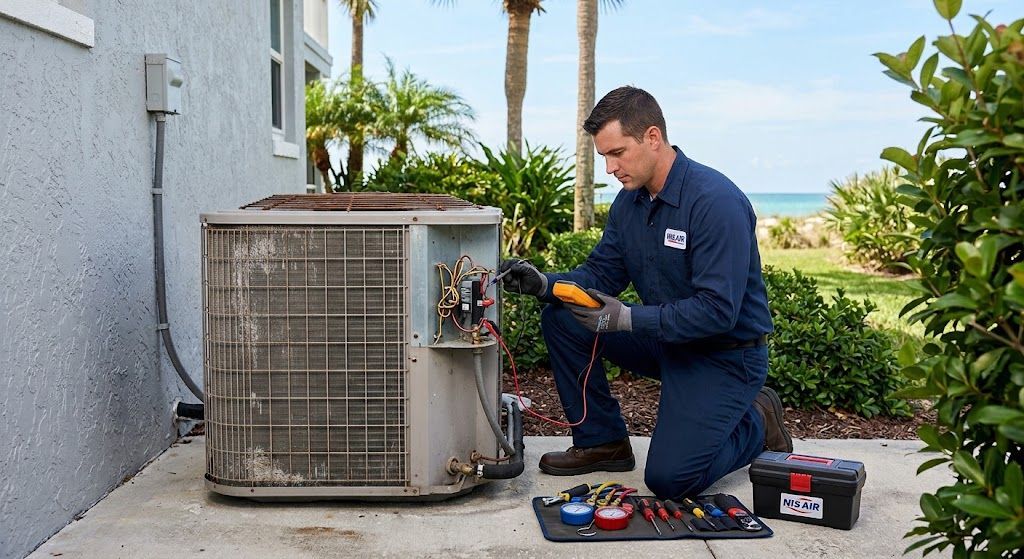
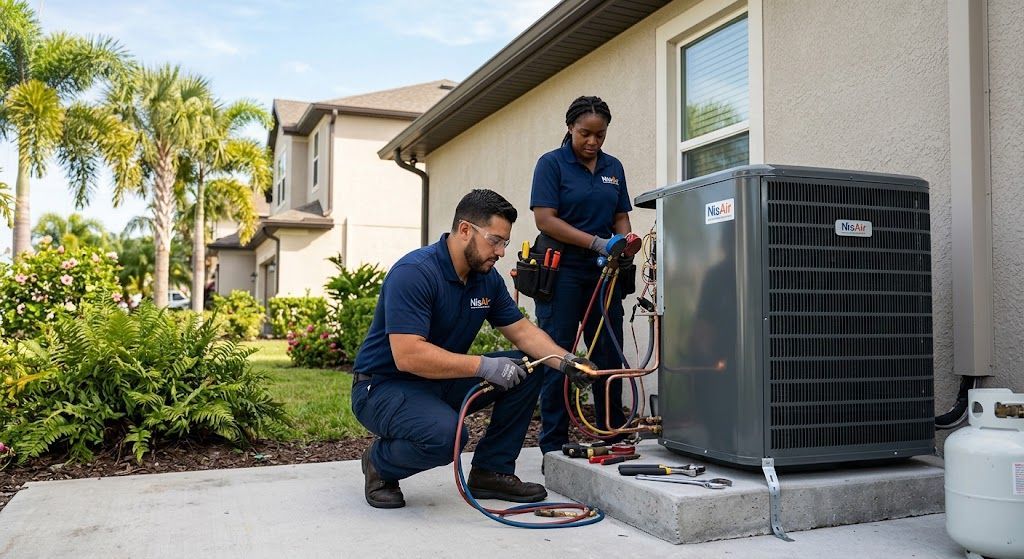
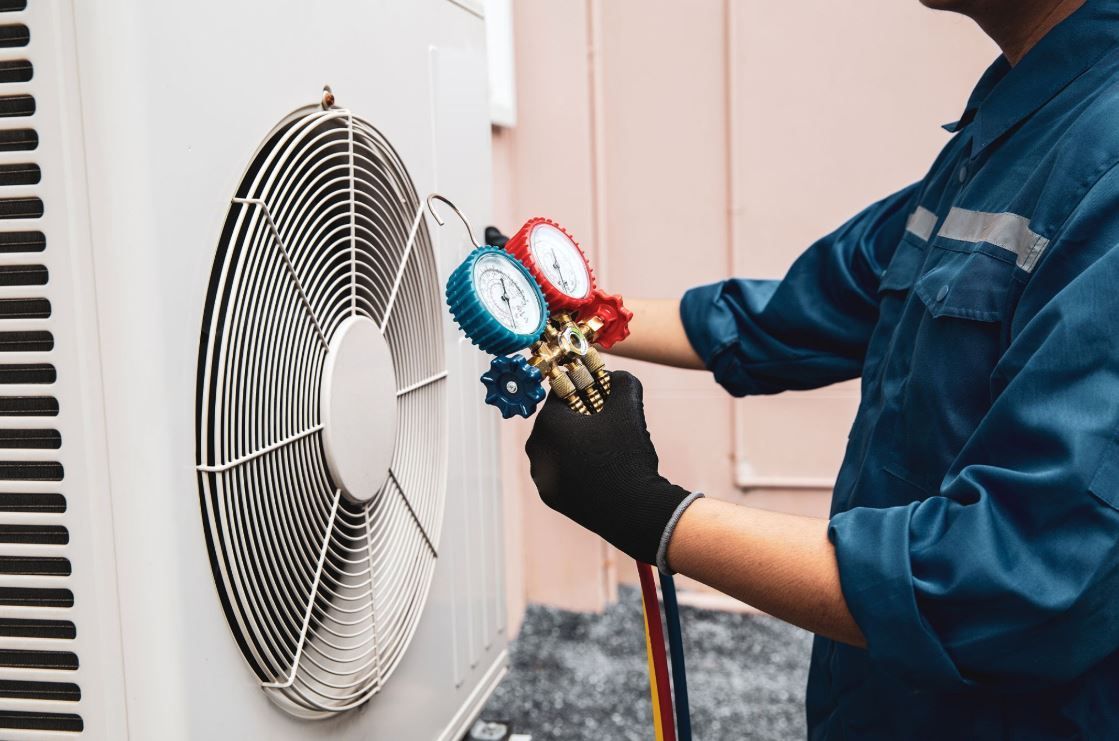
Proper installation and setup are just as important as equipment selection, including correct refrigerant charging, duct design, and thermostat programming so the heat pump can run longer, efficient cycles rather than short, frequent bursts. Regular maintenance such as cleaning coils, replacing filters, and checking outdoor airflow helps keep efficiency high and protects the investment so the system can continue providing comfortable, low‑cost heating for many mild winters to come.