As the temperatures drop, a malfunctioning heater can quickly turn your comfortable home into an unpleasantly cold space. When your heater stops working, it's not just an inconvenience; it can be a significant comfort and even safety concern. Understanding the common reasons why your heater might fail can help you troubleshoot minor issues or provide valuable information to a professional HVAC technician.
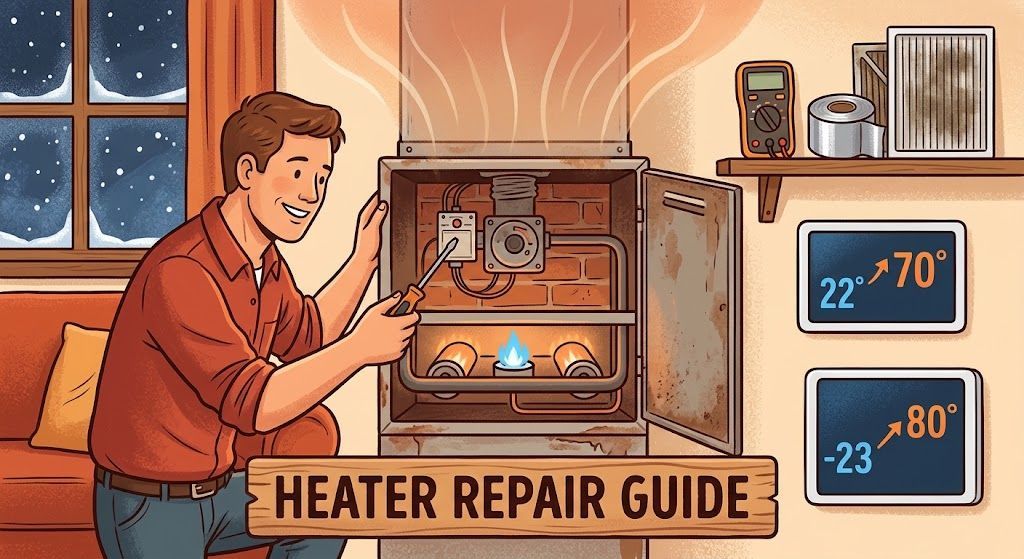
Here are some of the possible reasons why your heater might have stopped working:
1. Thermostat Issues
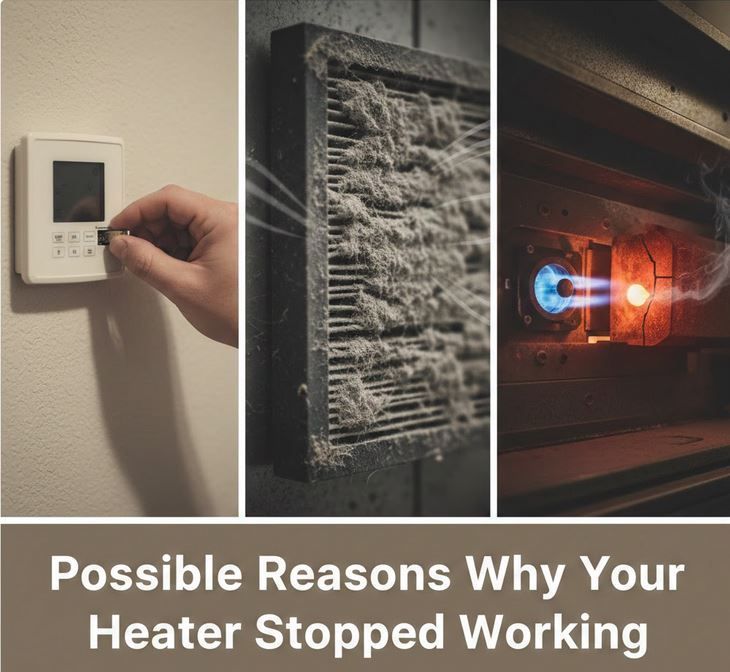
The thermostat is the brain of your heating system. If it's not set correctly or is experiencing a malfunction, your heater won't receive the right commands to turn on.
Incorrect Settings: Double-check that your thermostat is set to "Heat" and that the desired temperature is higher than the current room temperature. If it's on "Auto," ensure the fan setting is also appropriate.
Dead Batteries: Many digital thermostats run on batteries. If these batteries die, the thermostat won't be able to communicate with your heating system.
Wiring Problems: Loose or damaged wiring to the thermostat can prevent it from sending signals to the furnace.
2. Clogged Air Filters
A dirty or clogged air filter is one of the most common and easily preventable reasons for heater problems.
Reduced Airflow: A clogged filter restricts the airflow through your heating system. This forces your furnace to work harder, leading to inefficiency and potential overheating.
System Shutdown: Many modern furnaces have safety features that will automatically shut down the system if they detect inadequate airflow to prevent damage.
Frozen Coils (Heat Pumps): In heat pump systems, restricted airflow can lead to the evaporator coil freezing up.
3. Pilot Light or Ignition Problems (Gas Furnaces)
If you have a gas furnace, issues with the pilot light or electronic ignition system are frequent culprits.
Pilot Light Out: The pilot light is a small, continuous flame that ignites the main burners. If it goes out due to a draft or debris, your furnace won't heat. Many older furnaces require manual re-ignition.
Faulty Igniter: Modern gas furnaces often use an electronic igniter instead of a pilot light. If this igniter is cracked, dirty, or malfunctioning, it won't be able to ignite the gas.
Thermocouple Issues: The thermocouple is a safety device that senses if the pilot light is lit. If it's faulty, it might mistakenly shut off the gas supply, even if the pilot is working.
4. Blower Motor Malfunctions
The blower motor is responsible for circulating the heated air throughout your home.
Motor Failure: The blower motor can wear out over time, leading to a complete failure.
Capacitor Issues: The capacitor helps start the blower motor. If it's faulty, the motor might hum but won't start.
Belt Problems: Some older blower motors use a belt. If this belt is broken or worn, the blower won't operate.
5. Mechanical Wear and Tear
Like any mechanical system, heating units experience wear and tear over time.
Failing Bearings: Worn bearings in the blower motor or other moving parts can cause the system to seize or make loud noises before failing.
Cracked Heat Exchanger: A cracked heat exchanger is a serious safety concern as it can allow carbon monoxide to leak into your home. It often leads to the furnace shutting down as a safety measure.
Limit Switch Problems: The limit switch is a safety device that prevents the furnace from overheating. If it's faulty, it might prematurely shut off your system.
6. Electrical Problems
Electrical issues can prevent your heater from starting or operating correctly.
Tripped Circuit Breaker: An overloaded circuit or a short can trip the circuit breaker, cutting power to your furnace.
Blown Fuse: Some furnaces have internal fuses that can blow, especially if there's an electrical surge.
Faulty Wiring: Loose or damaged wiring within the furnace itself can disrupt the electrical flow.
7. Fuel Supply Issues (Gas and Oil Furnaces)
If your furnace isn't getting fuel, it won't be able to produce heat.
Gas Shut-Off: Check if the gas valve to your furnace is open. Sometimes, it might be accidentally turned off.
Low Oil Levels: For oil furnaces, simply running out of oil will cause the system to stop working.
Blocked Fuel Lines: Debris or sediment can block fuel lines, preventing fuel from reaching the burner.
When to Call a Professional
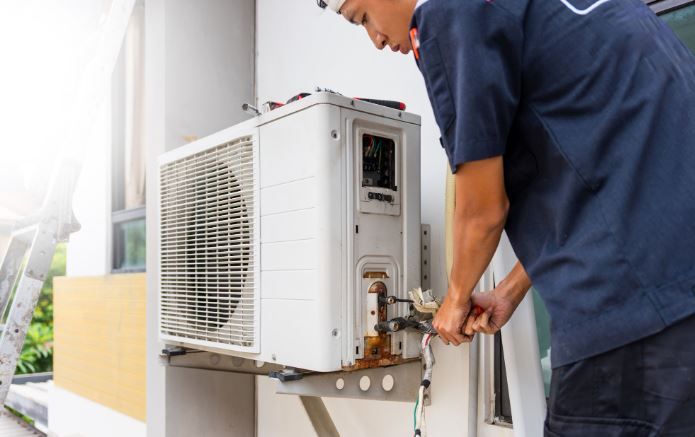
While some of these issues, like changing batteries or air filters, can be addressed by homeowners, others require the expertise of a qualified HVAC technician. If you've checked the basics and your heater still isn't working, or if you suspect a more serious issue like a gas leak or a cracked heat exchanger, it's crucial to call a professional immediately. Attempting complex repairs yourself can be dangerous and may void your warranty.
Regular maintenance is key to preventing many of these problems. Scheduling annual
heater repair can help identify potential issues before they become major breakdowns, ensuring your home stays warm and comfortable all winter long.