In South Florida, our air conditioners aren't just a luxury; they are a fundamental part of daily life. For residents spanning from the quiet, scenic streets of
Vero Beach down to the vibrant metro area of
West Palm Beach, that cool indoor breeze is crucial for comfort and safety. Unfortunately, that comfort often comes with a steep price tag. If you’ve opened your utility bill recently and felt your stomach drop, you are not alone.
High energy costs are a common headache across
Indian River,
St. Lucie,
Martin, and
Palm Beach counties. While the constant heat and unrelenting humidity certainly play a role, they are not the only culprits. Many homeowners unknowingly make common mistakes or ignore subtle signs that their cooling system is working too hard and costing too much.
At NisAir Air Conditioning and Heating, we see these issues every day. Whether you’re cooling a bungalow near
Indian River Shores, a bustling family home in
Port St. Lucie, or a modern condo in
Palm Beach Gardens, the principles of efficiency remain the same. Before you resign yourself to sky-high utility bills for the rest of your life, let’s explore the top five reasons your energy bill is skyrocketing—and, more importantly, what you can do to fix it.
1. Neglecting Essential Maintenance: The #1 Enemy of Efficiency
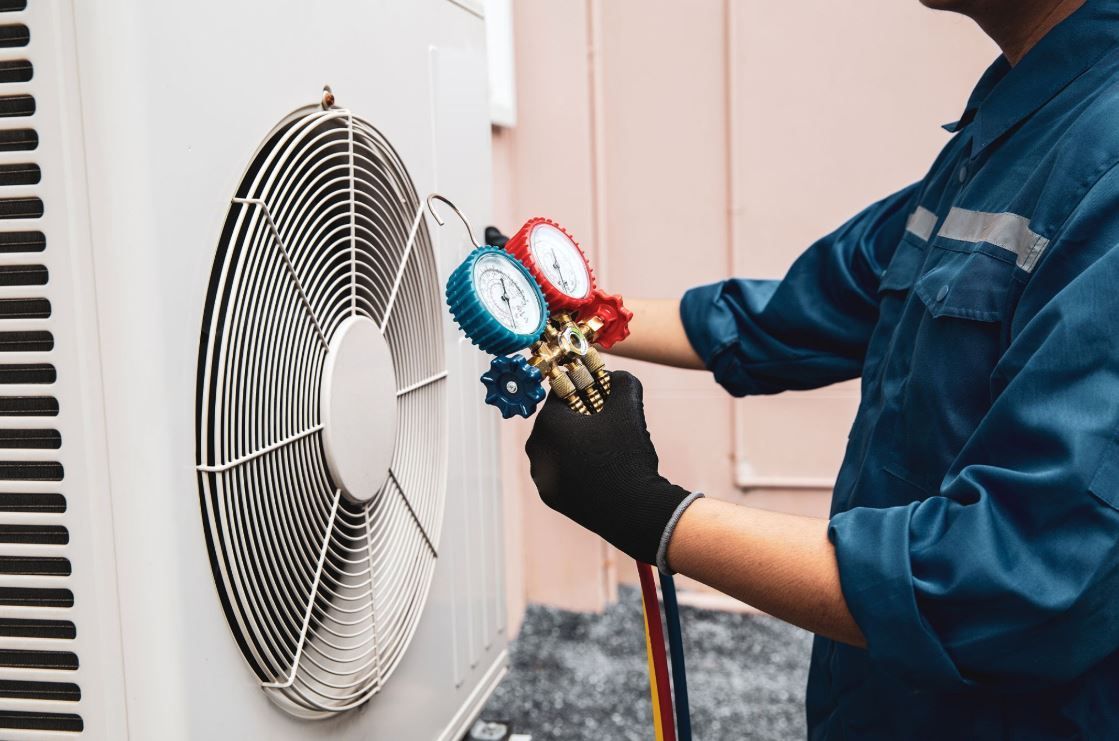
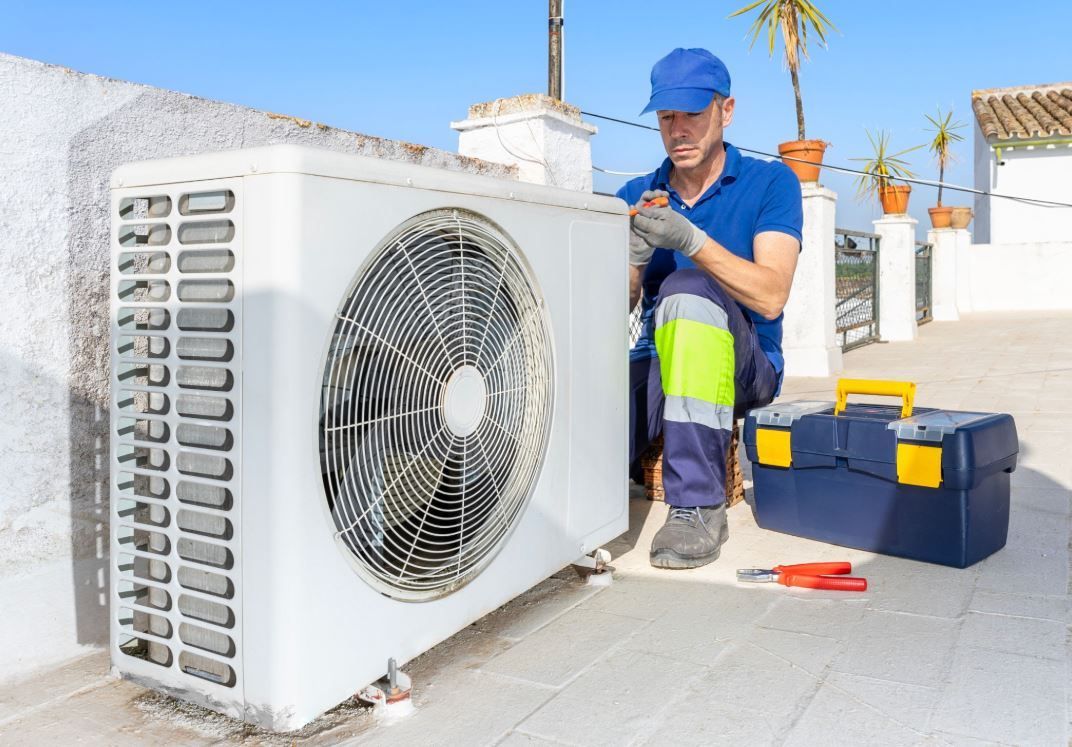
It may sound obvious, but the most common and costly reason for a high energy bill is neglected AC maintenance. Your air conditioner is a complex piece of machinery, and like your car, it requires regular care to run efficiently. When you ignore maintenance, small problems snowball into major, energy-draining issues.
The Filter Problem: A clogged air filter is the single simplest way to send your utility bill soaring. It restricts airflow, forcing your system’s fan motor to work exponentially harder to circulate cool air throughout your home. A system fighting against a dirty filter is a system that runs longer and consumes far more power than necessary. This is especially true in areas like
Lakewood Park and
Florida Ridge, where seasonal pollen can quickly overload a basic filter.
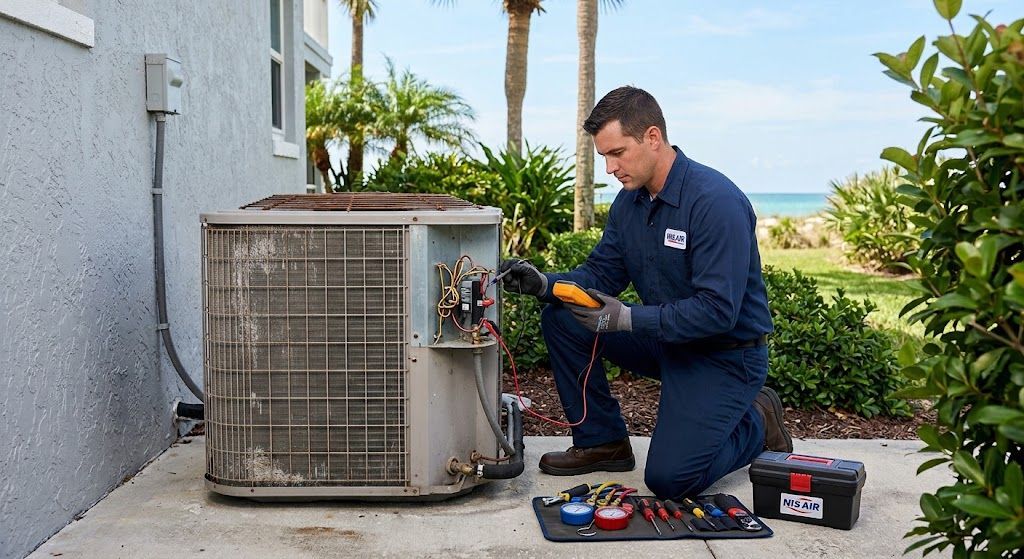
The Coil and Drain Clog: Furthermore, dirty evaporator and condenser coils reduce the system’s ability to absorb and release heat efficiently. Our technicians frequently encounter this issue when servicing homes in
Fort Pierce and
Stuart, where coastal humidity creates a perfect environment for dust to stick and grime to accumulate. Additionally, in our "always-on" environment, condensate drain lines can become clogged with algae and mold, potentially causing water damage and system shutdowns, further straining your unit and your budget.
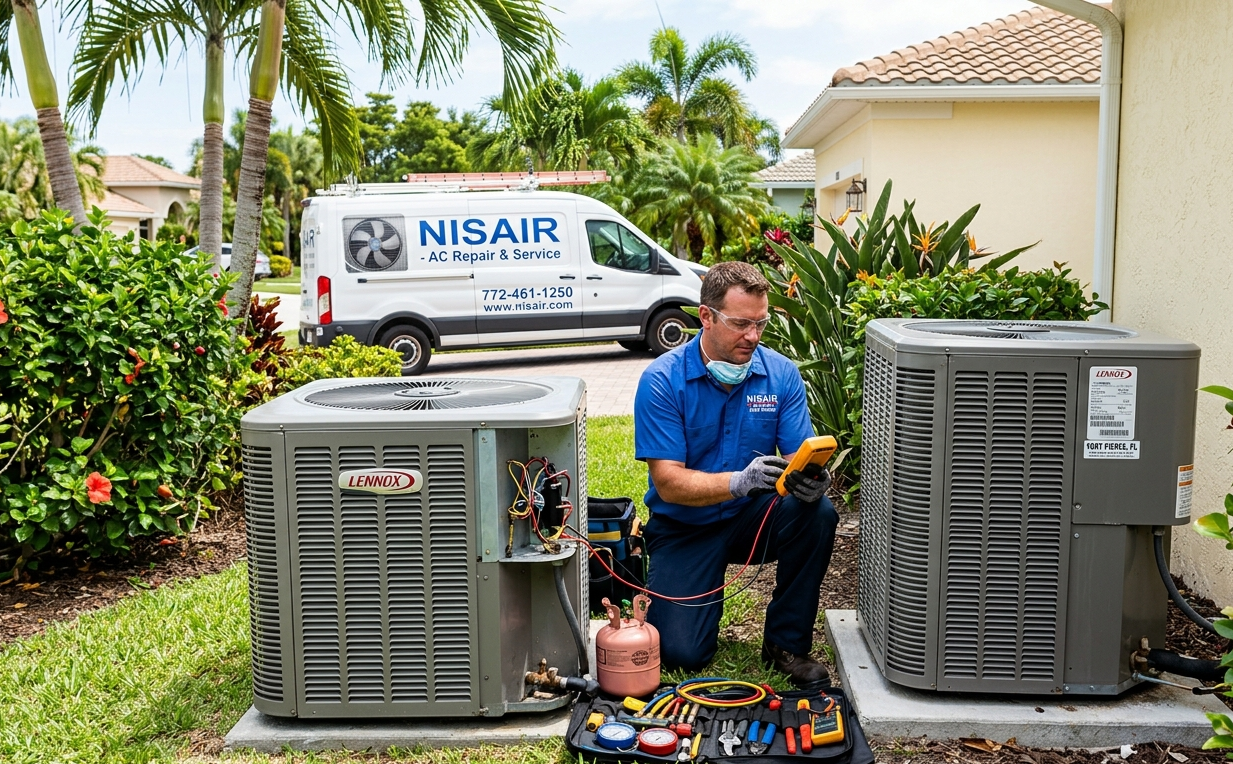
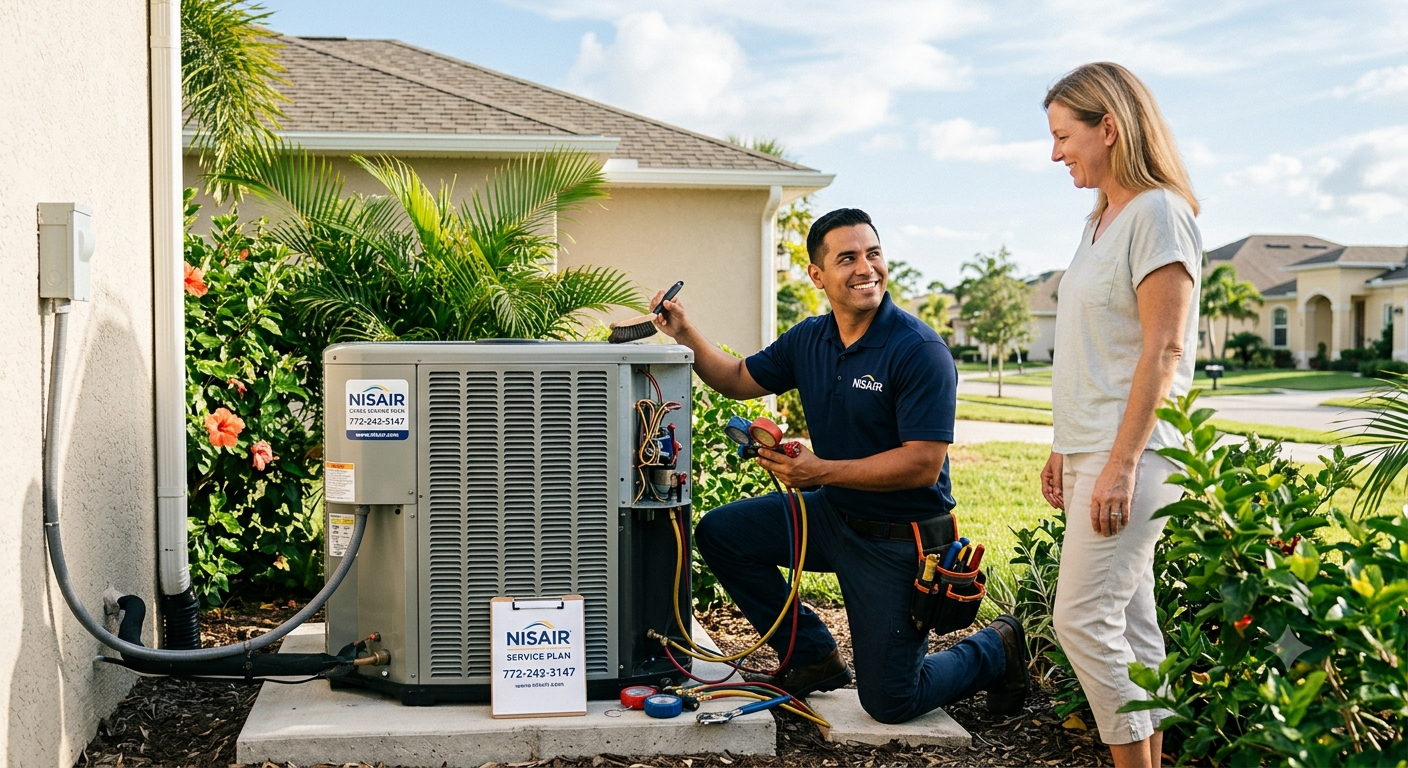
The Fix: The simplest step you can take is to change your air filter monthly (or as recommended for your specific filter type). Far beyond that, scheduling an annual professional maintenance check is crucial. At NisAir, our comprehensive maintenance service includes cleaning both the evaporator and condenser coils, checking refrigerant levels, and ensuring all electrical components are functioning correctly. This small investment can save you hundreds of dollars in energy costs each year.
2. Aging, Inefficient, and Corroded Equipment: Fighting a Losing Battle
If your AC system is over 10 to 15 years old, it’s highly likely that a significant portion of your sky-high energy bill can be attributed to its aging and inefficient components. Even a meticulously maintained older system cannot compete with the technological advancements of modern units.
The SEER2 Revolution: The primary metric for AC efficiency is the Seasonal Energy Efficiency Ratio (SEER). The higher the SEER rating, the less electricity the unit uses to cool your home. Systems installed just a decade ago might have SEER ratings as low as 13 or 14. Newer, energy-efficient models can reach ratings of 20 SEER2 or higher, offering dramatic, immediate savings on your monthly bills. Switching to a high-efficiency unit is often a transformative financial decision for homeowners in areas like
Jupiter and
Palm Beach Gardens, where larger homes and high usage amplify the cost of inefficiency.
The Coastal Challenge: Living near the ocean is a dream, but the salt spray present in our air can be a nightmare for your AC’s outdoor condenser unit. For our neighbors in
Hobe Sound and
Jensen Beach, coastal corrosion is a very real, very expensive threat. Over time, salt air eats away at the unit’s delicate fins and coils, dramatically reducing its efficiency and lifespan. When the system can't dissipate heat properly due to corrosion, it has to run constantly just to keep your home borderline comfortable.
The Fix: If your system is old or showing signs of severe corrosion, the most financially responsible move may be to replace it. A new, high-SEER2 system can often pay for itself in just a few years through lower utility bills, especially when combined with available rebates and tax credits. Be sure to ask your NisAir comfort specialist about specialized coatings and anti-corrosive treatments designed to protect new units in our specific coastal environment.
3. Undetected Ductwork Leaks: Cool Air You Never Feel
You could have the most expensive, efficient air conditioner on the market, but if your ductwork is riddled with holes and gaps, you will still be facing monumental energy bills. Ductwork leaks are a stealthy and extraordinarily common problem that can waste up to 30% of your total cooling energy.
The Attic Trap: Think about it: your ductwork is responsible for transporting that icy cold air from your unit to every room in your house. A significant portion of this ductwork typically travels through your attic, which is arguably the hottest part of your home. If there are leaks, your system is working to cool the 130-degree air in your attic instead of the living spaces you are paying to comfort. This is a massive drain on resources that often goes unnoticed by homeowners.
The Symptoms: Look for warning signs like rooms that are always hotter than others, a persistent "musty" smell when your AC kicks on, or dust that seems to magically reappear just hours after you clean. These are all common indicators of leaky or poorly connected ducts, which are pervasive issues we address for clients daily, from the established neighborhoods of
Stuart and
Fort Pierce to the rapidly growing developments in
Port St. Lucie.
The Fix: Schedule a professional duct inspection with NisAir. We use specialized diagnostics to locate leaks and quantify airflow loss. Properly sealing and insulating your ductwork will ensure that 100% of the air you pay to cool actually makes it to your living spaces, leading to an immediate and noticeable drop in your energy consumption.
4. Thermostat Mismanagement: Pushing Your System Too Hard
While sometimes high energy bills are caused by complex mechanical issues, other times the culprit is simple human error. Thermostat mismanagement is one of the easiest ways to waste energy without even realizing it.
The 72-Degree Trap: Many homeowners set their thermostats and forget them, or, worse, they blast the AC, setting it down to 68 or 72 degrees, forcing the system to fight an unwinnable battle against the 95-degree Florida heat. Your air conditioner is only capable of cooling your home to about 15-20 degrees lower than the outdoor temperature. Setting your thermostat lower will not make your home cool down faster; it will simply make your system run continuously, consuming a massive amount of power.
Manual vs. Programmable: Manually adjusting your thermostat throughout the day is another common mistake. If you turn the AC off completely when you leave for work, the entire structure of your home (walls, furniture, floors) will absorb heat all day. When you return and turn the AC back on, the system has to work overtime not just to cool the air, but to cool down the mass of the house itself. This "startup load" is often more expensive than keeping your home at a more moderate, constant temperature.
The Fix: Invest in a smart thermostat. This allows you to create a schedule that automatically adjusts the temperature when you are home, away, or asleep. A smart thermostat will learn your preferences and optimize your system’s performance. For instance, you can set it to a slightly higher temperature (say, 78 degrees) during the workday and have it automatically start cooling your home to 75 just before you arrive. This one simple change can yield significant monthly savings for homeowners across our service area, from
West Palm Beach down to
Vero Beach.
5. Your Home’s "Thermal Envelope" is Compromised
Finally, your energy bill may be high not because of your air conditioner, but because your home is simply unable to hold the cold air that is being produced. A compromised "thermal envelope" means your home is leaking cold air and pulling in hot, humid outdoor air.
The Insulation and Seal Issue: Your home is designed to be an energy-efficient capsule. Insulation in your attic and walls plays a key role in blocking heat from entering. Over time, insulation can degrade or be improperly installed. Moreover, gaps around doors and windows are open invitations for hot air and humidity to seep in, forcing your AC to run much longer than it should.
The Humidity Battle: In South Florida, we are fighting a dual-pronged battle: temperature and humidity. When your home is poorly sealed, you are constantly pulling in humid air. Remember that your AC’s primary job is to remove both heat and moisture. If it’s constantly battling an influx of outside humidity, it cannot cycle properly, leading to longer run times and higher energy bills.
The Fix: Start by checking the insulation levels in your attic. This is a crucial defense against the intense Florida sun. Next, go on a "search and seal" mission around your home. Use caulk or weatherstripping to seal any gaps around doors, windows, and utility entry points. These inexpensive, DIY-friendly fixes can make a surprising difference in your comfort and your energy bill.
Conclusion: Stop Guessing and Start Saving
A high
energy bill is a common and frustrating reality in
South Florida, but they do not have to be inevitable. By addressing these five common culprits—neglected maintenance, inefficient equipment, leaky ductwork, thermostat mismanagement, and a compromised thermal envelope—you can reclaim control over your utility costs.
Remember, your air conditioner is the heart of your home’s comfort, and keeping it running efficiently is the key to both comfort and financial peace of mind.
Are you tired of paying astronomical energy bills and want to know definitively why your costs are so high? Don’t let inefficiency drain your budget.
NisAir is proud to serve families and businesses across our entire service area, including
Fort Pierce,
Port St. Lucie,
Stuart,
Vero Beach,
Jupiter,
Palm Beach Gardens,
West Palm Beach,
Indian River Shores,
Florida Ridge,
Lakewood Park,
Hobe Sound, and
Jensen Beach.